The question of whether a PP blow molding machine can produce plastic furniture parts is an intriguing one, especially considering the diverse applications of such machinery. As a leading supplier of PP blow molding machines, I'm well - positioned to delve into this topic in detail.
Understanding PP Blow Molding Machines
PP, or polypropylene, is a type of thermoplastic polymer that is widely used in the manufacturing industry due to its excellent properties such as high chemical resistance, good impact strength, and relatively low cost. A PP blow molding machine is designed to transform PP resin into various hollow plastic products. The process involves heating the PP resin until it becomes molten, then extruding it into a parison (a tube - like shape). The parison is then placed in a mold, and compressed air is blown into it, forcing the plastic to take the shape of the mold. Once the plastic cools and solidifies, the mold is opened, and the finished product is ejected.
The Feasibility of Producing Plastic Furniture Parts
Plastic furniture parts come in a wide range of shapes and sizes, from chair legs and armrests to table tops and storage compartments. In theory, a PP blow molding machine can produce many of these parts.
Types of Furniture Parts Suitable for PP Blow Molding
- Hollow Parts: One of the key advantages of blow molding is its ability to create hollow plastic products. This is ideal for furniture parts such as hollow chair legs or storage containers. By using a PP blow molding machine, these parts can be produced with a relatively low weight while still maintaining sufficient strength. For example, a hollow chair leg made from PP can be as sturdy as a solid one but much lighter, making it easier to move and assemble furniture.
- Curved and Complex Shapes: Blow molding is capable of creating parts with complex geometries, including curved and irregular shapes. This makes it suitable for producing furniture parts like armrests or decorative elements. The machine can form the plastic to fit the precise contours of the mold, allowing for a high degree of design flexibility.
However, there are also some limitations.
Limitations in Producing Furniture Parts
- Wall Thickness and Strength: While blow molding can create hollow parts, achieving consistent wall thickness throughout the part can be challenging. In some cases, furniture parts may require a certain level of strength, which might be difficult to achieve with blow - molded PP parts, especially if the wall thickness cannot be precisely controlled. For instance, a table top produced by blow molding may not have the same load - bearing capacity as a injection - molded one.
- Surface Finish: The surface finish of blow - molded parts may not always meet the aesthetic requirements of high - end furniture. Blow molding can sometimes result in a slightly rough or uneven surface, which may require additional finishing processes such as sanding or painting.
Comparing with Other Manufacturing Methods
When considering the production of plastic furniture parts, it's important to compare blow molding with other common manufacturing methods.
Injection Molding
Injection molding is a widely used method for producing plastic parts. It involves injecting molten plastic into a mold under high pressure. Compared to blow molding, injection molding can produce parts with higher precision and better surface finish. However, injection molding requires more expensive molds, especially for complex shapes. A PP blow molding machine, on the other hand, is more cost - effective for producing large - volume, hollow parts.
Rotational Molding
Rotational molding is another method for creating plastic products. It involves heating a mold filled with plastic powder and rotating it in multiple axes to distribute the plastic evenly. Rotational molding can produce large, seamless parts with a uniform wall thickness. But it is generally a slower process compared to blow molding. A PP blow molding machine offers a faster production cycle, which can be beneficial for meeting large - scale production demands.
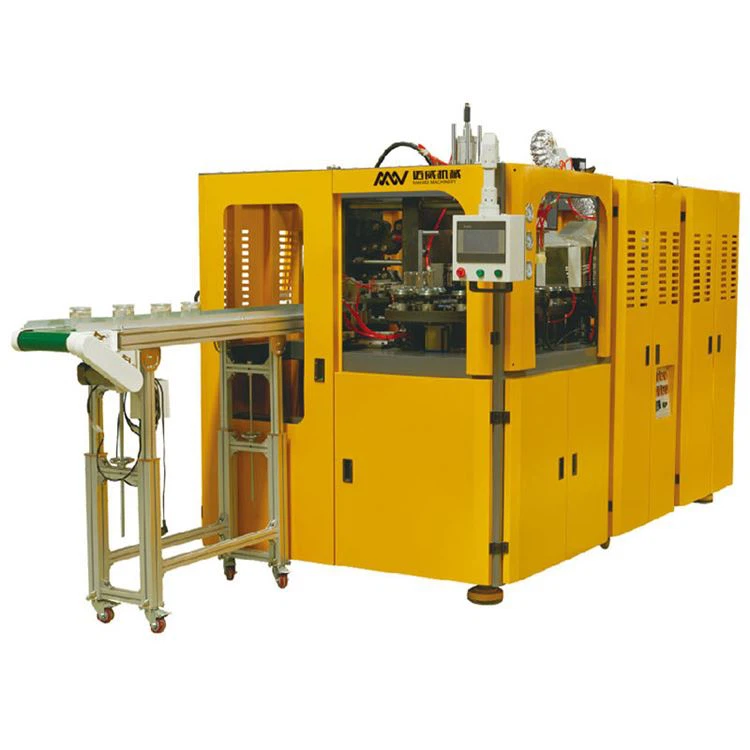

Our PP Blow Molding Machine Solutions
As a supplier of PP blow molding machines, we offer a range of products that can be customized to meet different production needs. Our machines are equipped with advanced technology to ensure precise control of the molding process, which is crucial for producing high - quality plastic furniture parts.
- Advanced Control Systems: Our machines come with state - of - the - art control systems that allow operators to adjust parameters such as temperature, pressure, and blowing time with high precision. This helps to ensure consistent wall thickness and quality in the final products.
- Versatile Mold Design: We work closely with our customers to design molds that are suitable for producing specific furniture parts. Whether it's a simple chair leg or a complex decorative element, our mold design team can create molds that meet the exact specifications.
Related Products in Our Portfolio
In addition to PP blow molding machines, we also offer other types of blow molding machines that may be of interest to our customers. You can check out our Pc Bottle Making Machine, which is designed for producing PC bottles. Our Medicine Bottle Blow Molding Machine is specifically tailored for the pharmaceutical industry to ensure the production of high - quality medicine bottles. For those looking for a more manual approach, our Hand Feeding Blow Molding Machine provides a flexible solution.
Conclusion
In conclusion, a PP blow molding machine has the potential to produce a variety of plastic furniture parts, especially those that are hollow or have complex shapes. While it has some limitations compared to other manufacturing methods, its cost - effectiveness and fast production cycle make it a viable option for many furniture manufacturers. If you're in the furniture industry and considering producing plastic parts, our PP blow molding machines could be a great solution for your production needs. Please feel free to contact us to discuss your specific requirements and to explore how our machines can help you achieve your manufacturing goals.
References
- Britton, G. (2015). Introduction to Plastics Engineering. Elsevier.
- Rosato, D. V., & Rosato, D. (2004). Injection Molding Handbook. Wiley.
- Throne, J. L. (1996). Blow Molding Handbook. Hanser Gardner Publications.