

As a supplier of wide mouth preform molds, I often encounter inquiries from customers regarding the compatibility of these molds with different types of plastics. This is a crucial question, as the choice of plastic can significantly impact the performance, quality, and cost - effectiveness of the preform production process. In this blog, I will delve into the details of whether a wide mouth preform mold can be used with various plastics.
Understanding Wide Mouth Preform Molds
Before we discuss the compatibility with different plastics, let's briefly understand what wide mouth preform molds are. These molds are specifically designed to create preforms with a wider opening compared to standard preforms. They are used in industries such as food and beverage, cosmetics, and pharmaceuticals, where products need to be easily filled and accessed. Wide mouth preforms are later blown into containers, and the mold's design determines the shape, size, and quality of the final product.
Compatibility Factors
When considering whether a wide mouth preform mold can be used with different plastics, several factors come into play:
1. Melting Temperature
Each plastic has a specific melting temperature range. For example, Polyethylene Terephthalate (PET) has a melting point around 250 - 260°C, while Polypropylene (PP) melts at approximately 160 - 170°C. A wide mouth preform mold needs to be able to withstand the heat generated during the injection molding process for the chosen plastic. If the mold is not designed to handle the high temperatures of a particular plastic, it can lead to deformation of the mold, affecting the quality of the preforms.
2. Shrinkage Rate
Different plastics have different shrinkage rates as they cool down after being injected into the mold. PET typically has a shrinkage rate of about 1.5 - 2.0%, while PP has a higher shrinkage rate of around 1.0 - 2.5%. The mold design must account for this shrinkage to ensure that the preforms have the correct dimensions. If the shrinkage is not properly considered, the preforms may end up being too small or have an irregular shape.
3. Chemical Resistance
Some plastics are more chemically reactive than others. For instance, PVC (Polyvinyl Chloride) can release corrosive gases during processing. A wide mouth preform mold used with PVC needs to be made of materials that are resistant to these corrosive substances. Otherwise, the mold can be damaged over time, reducing its lifespan and increasing production costs.
Common Plastics Used with Wide Mouth Preform Molds
1. Polyethylene Terephthalate (PET)
PET is one of the most commonly used plastics for preform production. It is lightweight, strong, and has excellent barrier properties against oxygen and moisture. Wide mouth preform molds can be easily used with PET due to its relatively stable processing characteristics. PET preforms are widely used in the beverage industry for products like water, juice, and carbonated drinks.
2. Polypropylene (PP)
PP is another popular choice. It is known for its high chemical resistance, flexibility, and low cost. Wide mouth preform molds can be adjusted to work with PP, taking into account its lower melting point and higher shrinkage rate. PP preforms are often used in the food industry for products such as yogurt containers and margarine tubs.
3. Polycarbonate (PC)
PC is a strong and transparent plastic with high impact resistance. It is commonly used in applications where durability is crucial, such as in the production of baby bottles and reusable water bottles. Although PC has a high melting point, a well - designed wide mouth preform mold can be used to produce PC preforms.
Modifying the Mold for Different Plastics
In some cases, a wide mouth preform mold can be modified to work with different plastics. This may involve adjusting the temperature control system of the mold to accommodate the melting temperature of the new plastic. For example, if switching from PET to PP, the temperature settings of the mold need to be lowered.
The cooling channels in the mold may also need to be optimized. Different plastics have different cooling requirements, and proper cooling is essential to ensure uniform shrinkage and high - quality preforms.
Another aspect is the surface finish of the mold. Some plastics may require a smoother or rougher surface finish to release properly from the mold. The mold can be polished or treated accordingly to improve the demolding process.
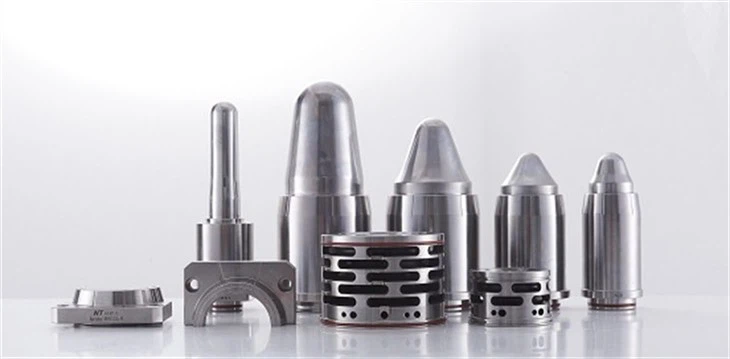
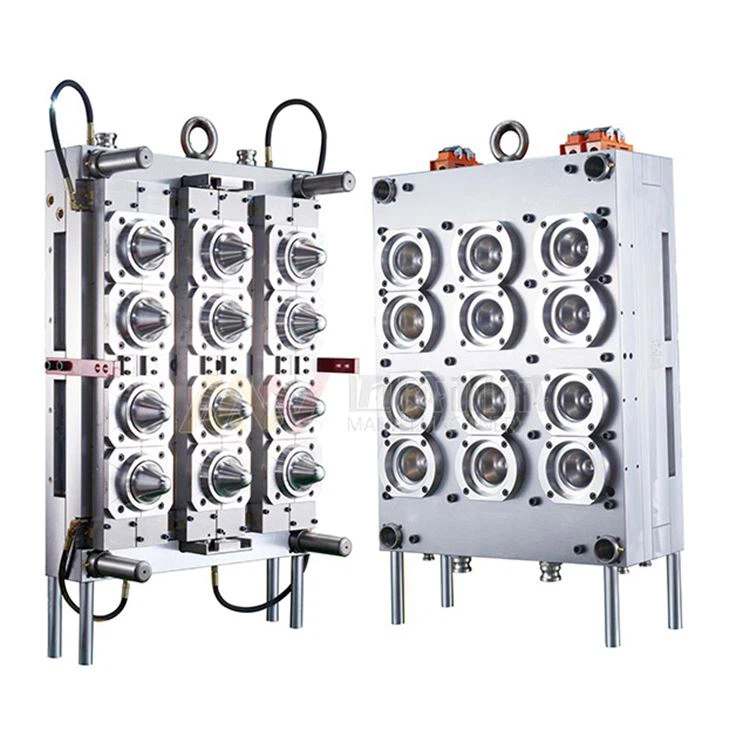
The Role of Mold Design and Quality
The design and quality of the wide mouth preform mold play a vital role in its compatibility with different plastics. A well - designed mold will have features that allow for easy adjustment to different processing conditions. For example, a mold with a modular design may be easier to modify for different plastics.
High - quality molds are made from durable materials that can withstand the wear and tear of different injection molding processes. They also have precise machining, which ensures accurate preform production regardless of the plastic used.
Advantages of Using One Mold for Multiple Plastics
Using a wide mouth preform mold with different plastics can bring several advantages. Firstly, it reduces the need for multiple molds, which can significantly lower the initial investment cost. Secondly, it allows for more flexibility in production. Manufacturers can quickly switch between different plastic materials based on market demand, product requirements, or cost fluctuations.
Challenges and Considerations
However, there are also challenges when using a single wide mouth preform mold with different plastics. As mentioned earlier, adjusting the mold for different plastics requires technical expertise. Incorrect adjustments can lead to production issues such as poor preform quality, increased scrap rates, and longer production times.
It is also important to note that not all plastics are suitable for use with every wide mouth preform mold. Some plastics may have unique properties that require a specialized mold design.
Conclusion
In conclusion, a wide mouth preform mold can often be used with different types of plastics, but it requires careful consideration of various factors such as melting temperature, shrinkage rate, and chemical resistance. With proper mold design, modification, and technical expertise, manufacturers can achieve high - quality preform production using a single mold for multiple plastics.
If you are interested in our wide mouth preform molds or have any questions about their compatibility with different plastics, we are here to assist you. Our team of experts can provide detailed guidance and support to ensure that you get the best solution for your production needs. Feel free to reach out to us for more information and to start a procurement discussion.
References
- "Injection Molding Handbook" by O. Osswald and T. Turng
- "Plastics Materials and Processing" by James F. Carley
- Technical documents from plastic resin manufacturers such as DuPont and BASF
You can also check out our Preform Die and Injection Preform Mold Injection Preform Mold for more information on our product range.


