

Hey there! As a supplier of PC bottle making machines, I've seen firsthand how crucial it is to keep these machines running at their best. Whether you're a small business owner or part of a large manufacturing operation, optimizing the performance of your PC bottle making machine can save you time, money, and a whole lot of headaches. In this blog post, I'll share some tips and tricks on how to get the most out of your machine.
Regular Maintenance is Key
First things first, regular maintenance is the cornerstone of a well - performing PC bottle making machine. Just like your car needs an oil change and tune - up, your machine also requires routine check - ups.
- Cleaning: Make sure to clean the machine regularly. Dust, debris, and plastic residues can accumulate over time and affect the machine's performance. Use appropriate cleaning agents to clean the molds, heating elements, and other critical parts. A clean machine not only runs more smoothly but also produces better - quality bottles.
- Lubrication: Proper lubrication is essential for reducing friction between moving parts. Check the lubrication levels frequently and use the recommended lubricants. This will extend the lifespan of the machine and prevent premature wear and tear.
- Inspection: Conduct regular inspections of all components. Look for signs of wear, such as cracks in the molds, loose belts, or malfunctioning sensors. Catching these issues early can prevent major breakdowns and costly repairs.
Optimize the Operating Parameters
Getting the right operating parameters is like finding the sweet spot for your machine.
- Temperature Control: PC is a thermoplastic, and the temperature plays a crucial role in the bottle - making process. Set the heating temperature accurately according to the type of PC material you're using. Too high a temperature can cause the plastic to degrade, while too low a temperature may result in incomplete molding.
- Pressure Settings: Adjust the blowing pressure carefully. The right pressure ensures that the bottles are formed correctly, with uniform wall thickness. Experiment with different pressure settings to find the optimal one for your specific production requirements.
- Cycle Time: Minimizing the cycle time can significantly increase the production output. However, don't sacrifice quality for speed. Analyze the different stages of the bottle - making process and see if there are any areas where you can reduce the time without affecting the final product.
Upgrade the Machine Components
Sometimes, upgrading certain components can give your PC bottle making machine a performance boost.
- Molds: High - quality molds can make a world of difference. Invest in molds that are designed for precision and durability. They will produce bottles with better - defined shapes and smoother surfaces. You can also consider upgrading to multi - cavity molds to increase the production capacity.
- Control Systems: Modern control systems offer more advanced features and better precision. Upgrading your machine's control system can improve the accuracy of temperature, pressure, and cycle time settings. It can also provide real - time monitoring and diagnostic capabilities, allowing you to detect and fix issues quickly.
- Heating Elements: Upgrading to more efficient heating elements can reduce energy consumption and improve the heating speed. This not only saves you money but also speeds up the production process.
Train Your Operators
Your machine is only as good as the people operating it. Proper training for your operators is essential.
- Technical Training: Provide comprehensive technical training on how to operate the PC bottle making machine. Teach them about the different components, operating parameters, and safety procedures. This will ensure that they can handle the machine correctly and troubleshoot minor issues on their own.
- Quality Control Training: Train your operators in quality control techniques. They should be able to identify defective bottles early in the production process and take corrective actions. This will help maintain a high - quality production standard.
Use High - Quality Raw Materials
The quality of the raw materials you use can have a significant impact on the performance of your machine and the final product.
- PC Resin: Choose high - quality PC resin from reliable suppliers. The resin should have consistent properties, such as viscosity and melt flow index. Using low - quality resin can lead to problems like uneven molding, poor bottle strength, and increased machine wear.
- Additives: If you're using additives in the PC material, make sure they are of good quality and compatible with the resin. Additives can improve the performance of the PC, such as enhancing its heat resistance or UV stability.
Stay Informed about Industry Trends
The bottle - making industry is constantly evolving, and staying up - to - date with the latest trends can give you a competitive edge.
- New Technologies: Keep an eye on new technologies that can improve the performance of PC bottle making machines. For example, some new machines use advanced sensors and automation technologies to optimize the production process.
- Industry Best Practices: Follow industry best practices and learn from other successful manufacturers. Attend trade shows, seminars, and online forums to stay informed and exchange ideas.
Conclusion
Optimizing the performance of a PC bottle making machine is a multi - faceted process. It involves regular maintenance, optimizing operating parameters, upgrading components, training operators, using high - quality raw materials, and staying informed about industry trends. By implementing these strategies, you can increase the production output, improve the product quality, and reduce the operating costs.
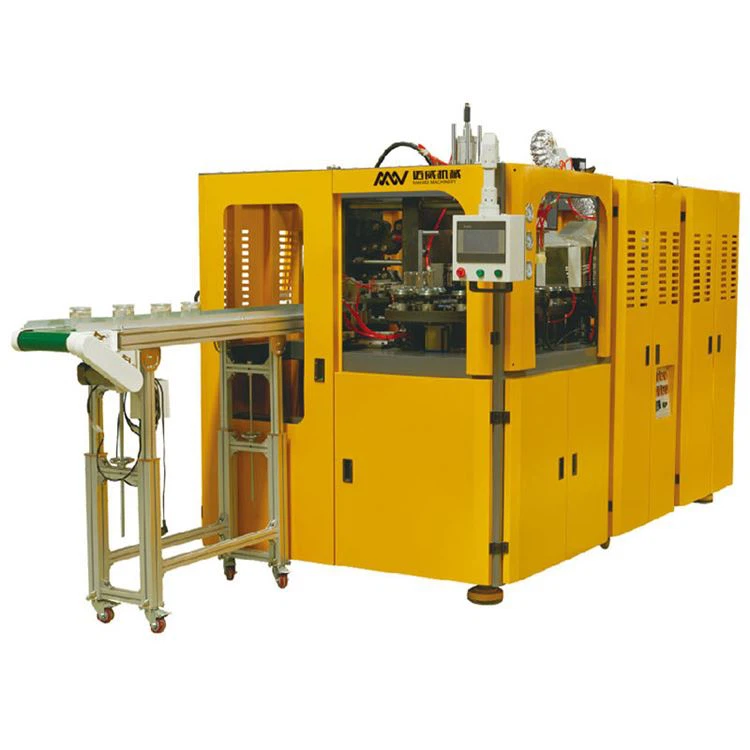
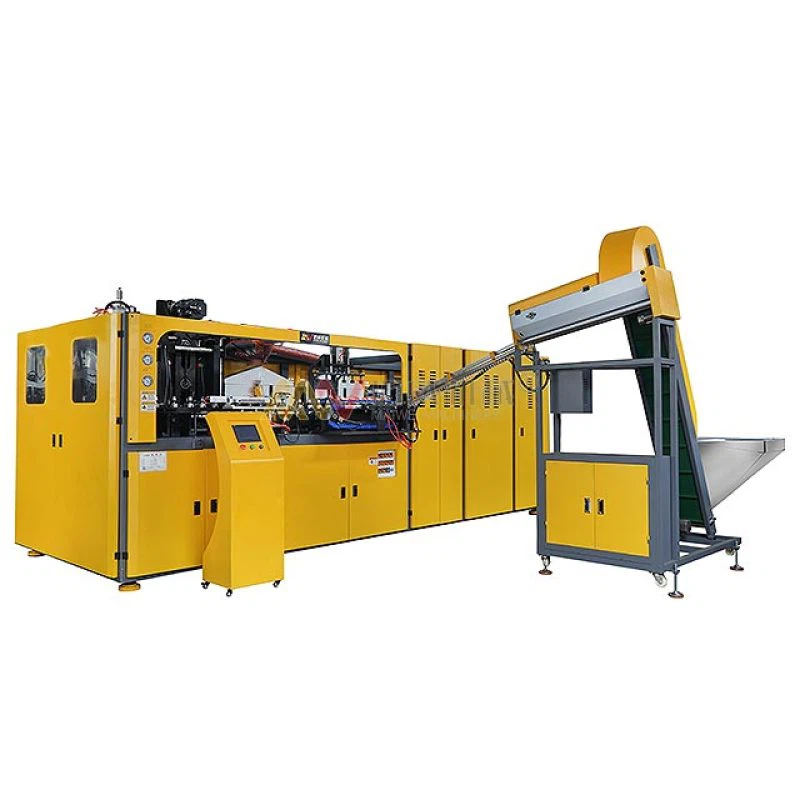
If you're interested in learning more about our Pc Bottle Making Machine or other related products like the High Speed Blow Molding Machine and Pp Stretch Blow Molding Machine, feel free to reach out to us. We're always here to help you find the best solutions for your production needs. Let's work together to take your bottle - making business to the next level!
References
- Blow Molding Handbook, Second Edition by John W. Rosato, David V. Rosato, and Dominick V. Rosato
- Plastics Engineering Handbook of the Society of Plastics Engineers, Fifth Edition by Edward M. Petrie


