

Intellectual property (IP) is a cornerstone in the modern business landscape, and its importance is magnified in industries like preform die design and manufacturing. As a Preform Die supplier, I've witnessed firsthand the intricate web of IP issues that can arise in this specialized field. This blog post will delve into the key intellectual property issues in preform die design and manufacturing, offering insights and guidance for both suppliers and customers.
Patents in Preform Die Design
One of the most significant forms of intellectual property in preform die design is patents. A patent grants the inventor exclusive rights to their invention for a limited period, typically 20 years from the filing date. In the context of preform dies, patents can cover a wide range of innovations, from novel die structures and manufacturing processes to unique cooling systems.
For example, a company might develop a new preform die with a revolutionary cavity design that improves the efficiency of the injection molding process. By obtaining a patent for this design, the company can prevent others from using, making, or selling the same or a substantially similar design without permission. This exclusivity can provide a competitive edge in the market, allowing the patent holder to charge premium prices for their innovative products.
However, obtaining a patent is not a straightforward process. It requires a thorough search to ensure that the invention is novel and non - obvious. The application must also meet strict legal requirements and undergo a rigorous examination by the patent office. As a Preform Die supplier, we invest significant time and resources in researching and developing new technologies, and we are vigilant about protecting our innovations through the patent system.
Trademarks and Branding
Trademarks are another crucial aspect of intellectual property in the preform die industry. A trademark is a recognizable sign, design, or expression that identifies products or services from a particular source. In our business, our trademark represents our brand identity, quality, and reputation.
A strong trademark can build customer loyalty and differentiate our products from those of our competitors. For instance, when customers see our trademark on a preform die, they associate it with high - quality craftsmanship, reliable performance, and excellent customer service. This brand recognition can lead to increased sales and market share.
Protecting our trademark involves registering it with the appropriate government agency. Once registered, we have the legal right to prevent others from using a similar mark in connection with similar products or services. We also need to actively enforce our trademark rights, taking action against any instances of trademark infringement.
Copyrights in Design Documentation
Copyright protection extends to original works of authorship, including design drawings, blueprints, and technical manuals related to preform die design and manufacturing. These documents often contain valuable information about the die's structure, dimensions, and manufacturing processes.
As a Preform Die supplier, we create detailed design documentation for each of our products. This documentation is the result of our engineers' hard work and creativity, and it is protected by copyright law. Unauthorized copying, distribution, or modification of these documents is a violation of our copyright rights.
For example, if a competitor were to obtain a copy of our design drawings and use them to manufacture similar preform dies, it would be considered copyright infringement. We take steps to safeguard our design documentation, such as using secure storage systems and limiting access to authorized personnel only.
Trade Secrets in Preform Die Manufacturing
Trade secrets are confidential business information that provides a competitive advantage. In preform die manufacturing, trade secrets can include proprietary manufacturing processes, material formulations, and customer lists.
For instance, we might have developed a unique heat - treatment process for our preform dies that enhances their durability and performance. This process is a trade secret, and we take strict measures to keep it confidential. We require employees to sign non - disclosure agreements (NDAs) and limit access to the information on a need - to - know basis.
If a trade secret is disclosed to a competitor, it can result in significant financial losses and damage to our business. Therefore, we are constantly on the lookout for potential threats to our trade secrets, such as employee turnover or unauthorized access to our facilities.
IP Issues in Collaboration and Outsourcing
In the preform die industry, collaboration and outsourcing are common practices. We may collaborate with other companies on research and development projects or outsource certain manufacturing processes to third - party suppliers. However, these activities can also give rise to IP issues.
When collaborating with other companies, it is essential to have a clear agreement in place regarding the ownership of any intellectual property created during the collaboration. For example, if we collaborate with a research institution to develop a new preform die material, the agreement should specify who will own the patents and other IP rights related to the material.
Outsourcing also requires careful consideration of IP rights. When we outsource manufacturing to a third - party supplier, we need to ensure that the supplier respects our IP rights and does not use our design information for other purposes. We typically include IP protection clauses in our outsourcing contracts to safeguard our interests.
Challenges in Enforcing IP Rights
Enforcing intellectual property rights in the preform die industry can be challenging. In a global market, it can be difficult to track down and take action against infringers. Some countries may have weaker IP protection laws or less effective enforcement mechanisms, making it easier for counterfeiters to operate.
In addition, proving IP infringement can be complex and costly. It often requires expert testimony, extensive documentation, and legal proceedings. As a Preform Die supplier, we are prepared to defend our IP rights, but we also recognize the challenges involved.
Conclusion and Call to Action
Intellectual property issues are an integral part of preform die design and manufacturing. Patents, trademarks, copyrights, and trade secrets all play important roles in protecting our innovations, brand identity, and competitive advantage.

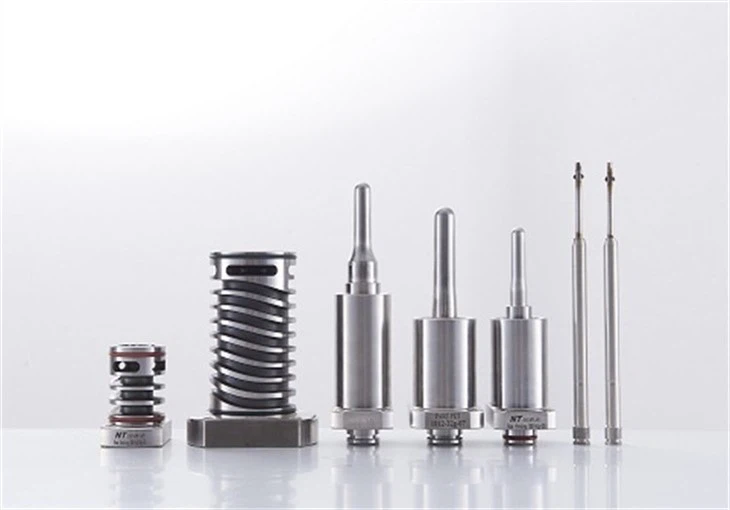
As a reliable Preform Die supplier, we are committed to upholding the highest standards of intellectual property protection. We encourage our customers to choose suppliers who respect IP rights and invest in research and development. By working together, we can create a more innovative and competitive preform die industry.
If you are interested in our Preform Die, Hot Runner Preform Mold, or Valve Gate Preform Mold products, or if you have any questions about intellectual property in preform die design and manufacturing, please feel free to contact us for a detailed discussion and potential procurement. We look forward to collaborating with you to meet your preform die needs.
References
- Cohen, J. E. (2019). Intellectual Property: The Law in a Global Economy. Wolters Kluwer.
- Merges, R. P., & Duffy, B. N. (2011). Patents in the Knowledge Economy. Aspen Publishers.
- Reichman, J. H., & Uhlir, P. F. (2003). Protecting Pre - Release Information as Trade Secret or Copyrightable Work. Berkeley Technology Law Journal, 18(1), 1 - 60.


