

What is the Compressive Strength of a Preform Mould?
As a preform mould supplier, I often encounter inquiries about the compressive strength of preform moulds. Compressive strength is a crucial property that determines the performance, durability, and reliability of these moulds in various manufacturing processes. In this blog post, I will delve into the concept of compressive strength, its significance in preform moulds, and the factors that influence it.
Understanding Compressive Strength
Compressive strength refers to the ability of a material to withstand a compressive load without undergoing significant deformation or failure. In the context of preform moulds, it is the maximum amount of compressive force that the mould can endure before it starts to crack, break, or lose its dimensional accuracy. This property is essential because preform moulds are subjected to high pressures during the injection molding process, where molten plastic is forced into the mould cavity at high speeds and pressures.
The compressive strength of a preform mould is typically measured in units of force per unit area, such as megapascals (MPa) or pounds per square inch (psi). A higher compressive strength indicates that the mould can withstand greater pressures without damage, making it more suitable for high - volume production and applications that require precise and consistent part quality.
Significance of Compressive Strength in Preform Moulds
- Quality of Preforms: A preform mould with high compressive strength can maintain its shape and dimensions under the high pressures of the injection molding process. This ensures that the preforms produced have consistent wall thickness, accurate dimensions, and a smooth surface finish. In contrast, a mould with low compressive strength may deform under pressure, leading to preforms with uneven walls, dimensional variations, and surface defects.
- Production Efficiency: Moulds with high compressive strength are less likely to fail or require frequent repairs during the production process. This reduces downtime and increases the overall production efficiency. For example, in a high - speed injection molding operation, a mould that can withstand the repeated high - pressure cycles without damage can produce a large number of preforms in a short period of time.
- Cost - Effectiveness: Although preform moulds with high compressive strength may have a higher initial cost, they offer long - term cost savings. They have a longer service life, which means fewer replacements are needed over time. Additionally, the reduced downtime and higher production efficiency result in lower production costs per preform.
Factors Affecting the Compressive Strength of Preform Moulds
- Material Selection: The choice of material for the preform mould is one of the most important factors influencing its compressive strength. Common materials used for preform moulds include tool steels, stainless steels, and aluminum alloys. Tool steels, such as H13 and P20, are known for their high strength, hardness, and wear resistance, making them suitable for applications that require high compressive strength. Stainless steels offer good corrosion resistance in addition to decent strength, while aluminum alloys are lightweight and have good thermal conductivity but generally have lower compressive strength compared to steels.
- Heat Treatment: Heat treatment processes, such as quenching and tempering, can significantly improve the compressive strength of the mould material. These processes alter the microstructure of the material, increasing its hardness and strength. For example, proper heat treatment of tool steel can enhance its compressive strength by up to 30 - 50%.
- Design and Geometry: The design and geometry of the preform mould also play a role in its compressive strength. A well - designed mould with proper ribbing, gating, and cooling channels can distribute the pressure evenly across the mould surface, reducing the stress concentration at specific points. This helps to prevent premature failure and improve the overall compressive strength of the mould.
- Manufacturing Process: The manufacturing process used to produce the preform mould can affect its compressive strength. Precision machining techniques, such as CNC machining, ensure accurate dimensions and a smooth surface finish, which are important for maintaining the integrity of the mould under pressure. Additionally, proper surface treatment, such as nitriding or chrome plating, can improve the wear resistance and compressive strength of the mould.
Testing the Compressive Strength of Preform Moulds
To ensure that the preform moulds meet the required compressive strength standards, various testing methods are available. One common method is the compressive testing, where a sample of the mould material or a small - scale mould is subjected to a gradually increasing compressive load until failure. The maximum load at which the sample fails is recorded as the compressive strength.
Non - destructive testing methods, such as ultrasonic testing and X - ray inspection, can also be used to detect internal defects or cracks in the mould that may affect its compressive strength. These methods allow for early detection of potential problems, enabling timely repairs or replacements.
Our Offerings as a Preform Mould Supplier
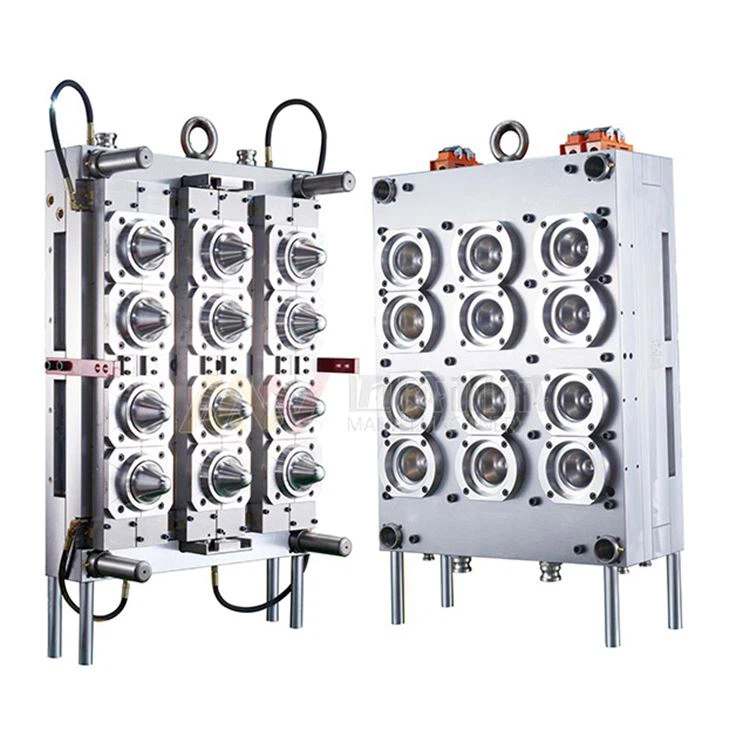
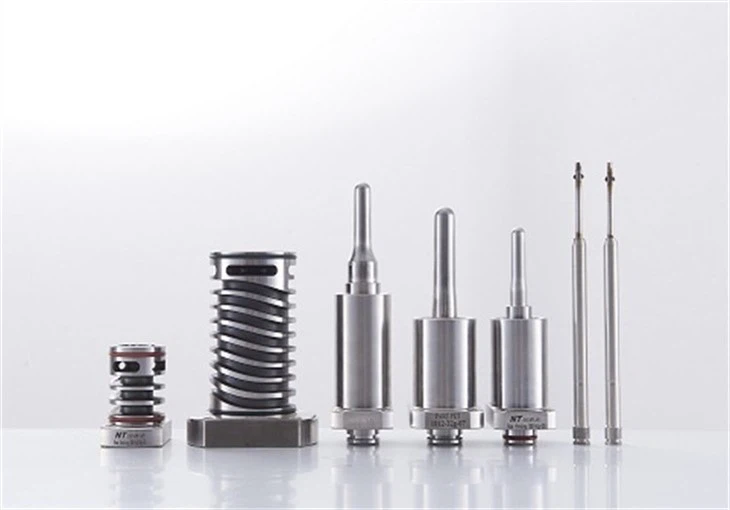
As a [company's role] preform mould supplier, we understand the importance of compressive strength in preform moulds. We offer a wide range of preform moulds, including Preform Die, Valve Gate Preform Mold, and Injection Preform Mold, all of which are designed and manufactured to meet the highest standards of compressive strength.
We use high - quality materials and advanced manufacturing processes to ensure that our moulds can withstand the rigors of the injection molding process. Our team of experienced engineers and technicians conducts thorough testing and quality control checks on each mould to guarantee its performance and reliability.
If you are in the market for preform moulds and are looking for a supplier that can provide high - quality, durable, and cost - effective solutions, we would be delighted to assist you. Whether you need a standard preform mould or a custom - designed one, we have the expertise and resources to meet your specific requirements.
Contact us today to discuss your preform mould needs and start a fruitful business partnership. We are committed to providing you with the best products and services to help you achieve your production goals.
References
- Callister, W. D., & Rethwisch, D. G. (2017). Materials Science and Engineering: An Introduction. Wiley.
- Campbell, J. (2003). Castings. Butterworth - Heinemann.
- Groover, M. P. (2010). Fundamentals of Modern Manufacturing: Materials, Processes, and Systems. Wiley.


