What is the Cost of a Preform Die?
As a seasoned supplier of preform dies, I've encountered numerous inquiries about the cost associated with these essential manufacturing tools. Understanding the factors that contribute to the price of a preform die is crucial for businesses looking to invest in high - quality equipment for their production processes. In this blog, I'll delve into the key elements that influence the cost of a preform die and provide insights to help you make an informed purchasing decision.
1. Material Quality
The choice of materials used in the construction of a preform die is one of the most significant factors affecting its cost. High - grade steel alloys, such as stainless steel or tool steel, are commonly employed due to their excellent durability, corrosion resistance, and heat resistance. These materials can withstand the high pressures and temperatures involved in the preform molding process, ensuring a longer lifespan for the die.
For instance, stainless steel is known for its resistance to rust and oxidation, making it an ideal choice for applications where the die will be exposed to moisture or corrosive substances. Tool steel, on the other hand, offers high hardness and wear resistance, which is essential for maintaining the precision of the die over time. However, these premium materials come at a higher price compared to lower - quality alternatives. As a result, preform dies made from high - grade materials will generally cost more but offer better performance and longevity.
2. Complexity of Design
The complexity of the preform die design also plays a major role in determining its cost. A simple, standard - shaped preform die with basic features will typically be less expensive than a custom - designed die with intricate details and complex geometries.

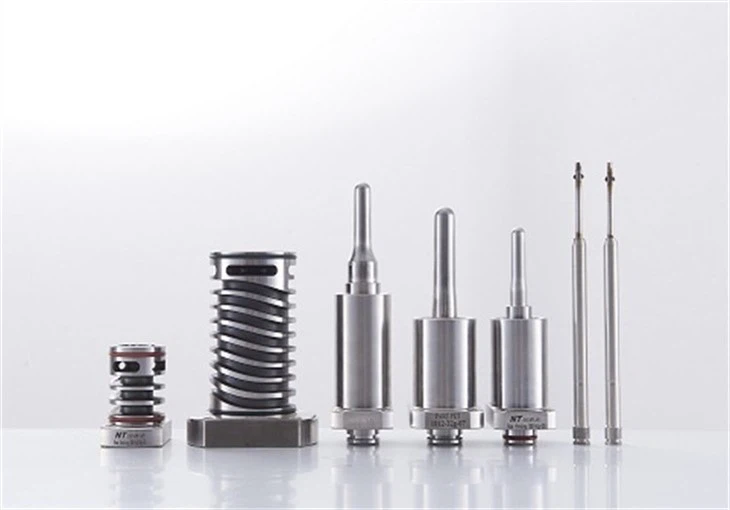
Custom - designed preform dies are often required to meet specific production requirements, such as unique bottle shapes, sizes, or neck finishes. These dies may involve advanced manufacturing techniques, such as computer - numerical - control (CNC) machining, to achieve the desired precision and accuracy. Additionally, the design process for custom dies may require more time and expertise from engineers and designers, which adds to the overall cost.
For example, a Valve Gate Preform Mold is a more complex type of preform die that incorporates a valve gate system to control the flow of molten plastic into the mold cavity. This technology allows for better control over the filling process, resulting in higher - quality preforms. However, the additional components and engineering required for a valve gate preform mold increase its cost compared to a traditional preform die.
3. Cavity Number
The number of cavities in a preform die is another important factor that affects its cost. A cavity is the space within the die where the preform is formed. Preform dies can have anywhere from a single cavity to multiple cavities, depending on the production volume requirements.
Dies with a higher number of cavities can produce more preforms in a single molding cycle, increasing the production efficiency and output. However, manufacturing a multi - cavity preform die is more challenging and requires more precise machining and assembly. As a result, the cost of a preform die increases with the number of cavities.
For businesses with high - volume production needs, investing in a multi - cavity preform die may be cost - effective in the long run, as it can reduce the per - unit production cost. On the other hand, small - scale manufacturers or those with lower production volumes may find that a single - cavity or low - cavity preform die is a more affordable option.
4. Surface Finish
The surface finish of a preform die is crucial for ensuring the quality of the preforms produced. A smooth surface finish reduces friction between the preform and the die, making it easier to eject the preform from the mold and preventing defects such as scratches or marks on the preform surface.
Achieving a high - quality surface finish requires additional machining and polishing processes, which add to the cost of the die. There are different levels of surface finish available, ranging from a basic finish to a mirror - like finish. The choice of surface finish depends on the specific requirements of the preform application. For example, preforms used in the food and beverage industry may require a higher - quality surface finish to meet hygiene standards.
5. Brand and Reputation
The brand and reputation of the preform die supplier can also influence the cost. Well - established suppliers with a proven track record of producing high - quality preform dies often charge a premium for their products. This is because they invest in research and development, use the latest manufacturing technologies, and have strict quality control measures in place.
Buying from a reputable supplier can provide several benefits, such as reliable after - sales service, technical support, and a guarantee of product quality. While the initial cost may be higher, the long - term value and peace of mind that come with purchasing from a trusted brand can outweigh the extra expense.
6. Additional Features and Technologies
Some preform dies may come with additional features and technologies that enhance their performance and functionality. For example, a Hot Runner Preform Mold uses a hot runner system to keep the plastic molten as it flows through the mold, reducing material waste and improving the efficiency of the molding process.
Similarly, a Wide Mouth Preform Mold is designed specifically for producing preforms with wide mouths, which are commonly used for applications such as jars and containers. These additional features and technologies require more advanced engineering and manufacturing processes, which increase the cost of the preform die.
Conclusion
In conclusion, the cost of a preform die is influenced by a variety of factors, including material quality, design complexity, cavity number, surface finish, brand reputation, and additional features. When considering the purchase of a preform die, it's important to evaluate your specific production requirements, budget, and long - term goals.
While it may be tempting to choose the cheapest option available, it's essential to remember that a high - quality preform die can significantly improve the efficiency and quality of your production process, ultimately leading to cost savings in the long run. As a preform die supplier, I'm committed to providing our customers with detailed information and guidance to help them make the best decision for their business.
If you're interested in learning more about our preform die products or would like to discuss your specific requirements, please don't hesitate to contact us. We're here to assist you in finding the right preform die solution at a competitive price.
References
- "Plastic Injection Molding Handbook" by O. Olszewski
- "Mold Design for Injection Molding" by R. A. Malloy