

Hey there! As a supplier of Pet Blow Molding Machines, I often get asked about the pressure control methods in these machines. It's a crucial aspect that can significantly impact the quality and efficiency of the blow - molding process. So, let's dive right in and explore what these pressure control methods are all about.
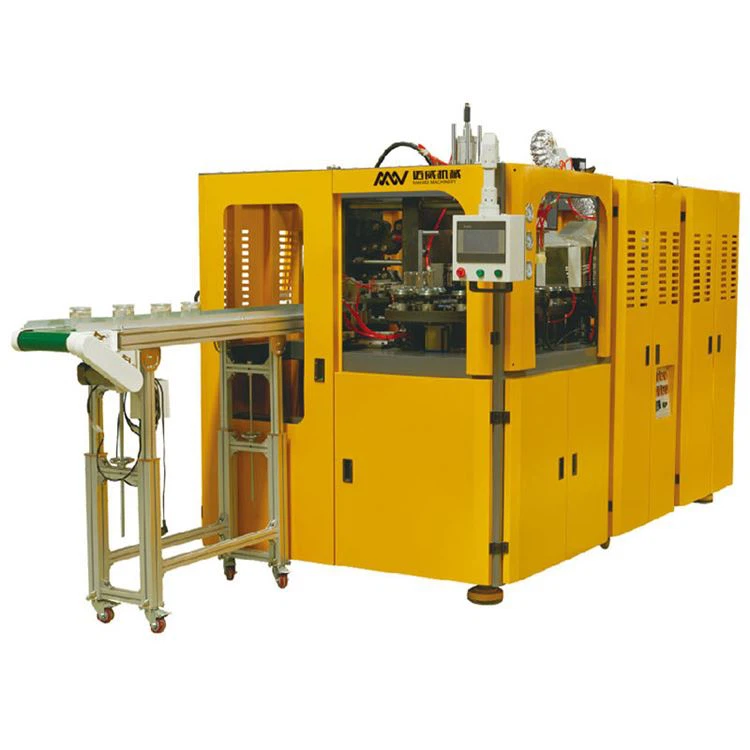

Why Pressure Control Matters in Pet Blow Molding
Before we get into the methods, it's important to understand why pressure control is so vital. In a Pet Blow Molding Machine, the right pressure is needed to ensure that the pre - form is properly inflated into the desired bottle shape. If the pressure is too low, the bottle might not take the correct shape, resulting in thin spots, uneven walls, or a bottle that doesn't meet the required dimensions. On the other hand, if the pressure is too high, it can cause the pre - form to burst, leading to wasted materials and production downtime.
Different Pressure Control Methods
1. Mechanical Pressure Control
One of the traditional methods is mechanical pressure control. This method uses mechanical components like valves and pistons to regulate the pressure. For example, a simple piston - based system can be adjusted to control the amount of air or hydraulic fluid that enters the blow - molding chamber. The advantage of mechanical pressure control is its simplicity. It's relatively easy to understand and maintain, which makes it a popular choice for smaller - scale operations or older machines. However, it has its limitations. Mechanical systems might not be as precise as some of the newer methods, and they can be more prone to wear and tear over time.
2. Pneumatic Pressure Control
Pneumatic pressure control relies on compressed air to regulate the pressure in the blow - molding process. It uses pneumatic valves and regulators to control the flow and pressure of the air. This method offers more flexibility compared to mechanical control. Pneumatic systems can be adjusted more easily to different pressure requirements, and they can respond quickly to changes in the process. For instance, if you're using a Pc Bottle Making Machine, a pneumatic pressure control system can be fine - tuned to ensure that the PC bottles are formed with the right amount of pressure. However, pneumatic systems require a reliable source of compressed air, and any issues with the air supply can affect the pressure control.
3. Hydraulic Pressure Control
Hydraulic pressure control is another option. It uses hydraulic fluid to generate and control the pressure. Hydraulic systems are known for their high - power and precise control capabilities. They can generate a large amount of pressure, which is useful for molding larger or thicker - walled bottles. For example, a 20L Bottle Blow Molding Machine often relies on hydraulic pressure control to ensure that the 20 - liter bottles are formed correctly. The main drawback of hydraulic systems is their complexity. They require more maintenance compared to mechanical or pneumatic systems, and they can be more expensive to set up.
4. Electronic Pressure Control
In recent years, electronic pressure control has become increasingly popular. This method uses sensors and electronic controllers to monitor and adjust the pressure in real - time. The sensors can detect even the slightest changes in pressure and send signals to the controller, which then adjusts the pressure accordingly. Electronic pressure control offers the highest level of precision and accuracy. It can adapt to different production requirements quickly and can be integrated with other automation systems in the blow - molding machine. For example, if you're using a Cosmetic Bottle Blow Molding Machine, electronic pressure control can ensure that the delicate cosmetic bottles are formed with consistent quality. However, it also requires a certain level of technical expertise to set up and maintain.
Factors Affecting Pressure Control
There are several factors that can affect the pressure control in a Pet Blow Molding Machine.
1. Pre - form Temperature
The temperature of the pre - form plays a crucial role. A warmer pre - form is more malleable, which means that it might require less pressure to be inflated into the desired shape. On the other hand, a colder pre - form will be stiffer and might need more pressure. So, it's important to maintain a consistent pre - form temperature to ensure accurate pressure control.
2. Bottle Design
The design of the bottle also affects the pressure requirements. Bottles with complex shapes or thick walls will generally need more pressure to be formed correctly. For example, a bottle with a narrow neck or multiple layers will require a more precise pressure control to ensure that all parts of the bottle are properly formed.
3. Material Properties
The type of PET material used can also impact the pressure control. Different PET materials have different melting points, viscosities, and elastic properties. These properties can affect how the pre - form responds to pressure during the blow - molding process. So, it's important to understand the material properties and adjust the pressure control accordingly.
How to Choose the Right Pressure Control Method
When choosing a pressure control method for your Pet Blow Molding Machine, there are several things to consider.
1. Production Volume
If you have a high - volume production, you might want to consider a more precise and automated method like electronic pressure control. This will help you maintain consistent quality and efficiency. On the other hand, if you have a low - volume production, a simpler method like mechanical pressure control might be sufficient.
2. Budget
Your budget is also an important factor. Electronic and hydraulic systems are generally more expensive to set up and maintain compared to mechanical and pneumatic systems. So, you need to balance your budget with your production requirements.
3. Technical Expertise
If you have a team of experienced technicians, you might be able to handle more complex pressure control systems like electronic or hydraulic. However, if you don't have the technical expertise in - house, a simpler system might be a better choice.
Conclusion
In conclusion, pressure control is a critical aspect of the Pet Blow Molding process. There are several methods available, each with its own advantages and disadvantages. As a supplier of Pet Blow Molding Machines, we can help you choose the right pressure control method based on your specific needs. Whether you're looking for a Pc Bottle Making Machine, a 20L Bottle Blow Molding Machine, or a Cosmetic Bottle Blow Molding Machine, we've got you covered.
If you're interested in learning more about our Pet Blow Molding Machines and the pressure control methods we offer, don't hesitate to reach out. We're always happy to have a chat and discuss how we can meet your production requirements. Let's work together to take your blow - molding operations to the next level!
References
- Smith, J. (2020). "Advanced Techniques in Plastic Blow Molding". Plastics Manufacturing Press.
- Johnson, A. (2019). "Pressure Control Strategies in Industrial Molding Processes". Manufacturing Insights Journal.


