In the dynamic world of beverage packaging, water bottle preforms stand as the unsung heroes, playing a pivotal role in shaping the final product that reaches consumers' hands. As a seasoned supplier of water bottle preforms, I've witnessed firsthand the transformative power of molds in this intricate production process. In this blog post, I'll delve into the multifaceted role of molds in water bottle preform production, exploring their significance, types, and the impact they have on the quality and efficiency of the manufacturing process.
The Foundation of Precision: Understanding the Role of Molds
At the heart of water bottle preform production lies the mold, a precision-engineered tool that serves as the blueprint for creating the preforms. Molds are designed to shape molten plastic into the desired form, ensuring consistency and accuracy in every preform produced. They act as the gatekeepers of quality, dictating the dimensions, shape, and structural integrity of the preforms, which ultimately determine the performance and aesthetics of the final water bottles.
One of the primary functions of molds in water bottle preform production is to provide a cavity that precisely matches the desired shape and size of the preform. This cavity is carefully machined to ensure smooth surfaces and sharp edges, allowing for the seamless transfer of plastic material during the injection molding process. The mold's design also takes into account factors such as wall thickness, thread dimensions, and gate location, all of which are critical for achieving optimal preform performance.
In addition to shaping the preform, molds also play a crucial role in controlling the cooling process. After the molten plastic is injected into the mold cavity, it must be cooled rapidly to solidify and take on the desired shape. Molds are equipped with cooling channels that circulate water or other cooling fluids, removing heat from the plastic and ensuring uniform cooling throughout the preform. This helps to prevent warping, shrinkage, and other defects that can compromise the quality of the preform.
Types of Molds Used in Water Bottle Preform Production
There are several types of molds used in water bottle preform production, each with its own unique characteristics and advantages. The most common types of molds include single-cavity molds, multi-cavity molds, and hot runner molds.
- Single-Cavity Molds: As the name suggests, single-cavity molds have only one cavity for producing a single preform at a time. These molds are typically used for small-scale production runs or for testing new designs. Single-cavity molds are relatively simple and inexpensive to manufacture, making them a cost-effective option for low-volume production.
- Multi-Cavity Molds: Multi-cavity molds have multiple cavities for producing multiple preforms simultaneously. These molds are commonly used for high-volume production runs, as they can significantly increase production efficiency and reduce costs. Multi-cavity molds require more complex design and manufacturing processes, but they offer the advantage of producing a large number of preforms in a single cycle.
- Hot Runner Molds: Hot runner molds are a specialized type of mold that uses a heated manifold to deliver molten plastic directly to the mold cavity. This eliminates the need for a cold runner system, which can result in material waste and longer cycle times. Hot runner molds are more expensive to manufacture than traditional molds, but they offer several advantages, including improved part quality, reduced cycle times, and lower material costs.
The Impact of Molds on Preform Quality and Efficiency
The quality of the mold has a direct impact on the quality and efficiency of the water bottle preform production process. A well-designed and well-maintained mold can produce high-quality preforms with consistent dimensions and excellent surface finish. On the other hand, a poorly designed or worn-out mold can result in defective preforms, increased scrap rates, and longer production times.
One of the key factors that affect preform quality is the mold's surface finish. A smooth and polished mold surface helps to prevent plastic from sticking to the mold, reducing the risk of defects such as flash and burrs. Additionally, a high-quality surface finish can improve the appearance of the preform, making it more attractive to consumers.
Another important factor is the mold's cooling system. A properly designed and maintained cooling system ensures uniform cooling throughout the preform, preventing warping and shrinkage. This helps to maintain the preform's dimensional stability and structural integrity, ensuring that it can withstand the rigors of the blow molding process and the subsequent filling and capping operations.
In addition to affecting preform quality, molds also have a significant impact on production efficiency. A well-designed mold can reduce cycle times, increase production output, and lower energy consumption. For example, hot runner molds can eliminate the need for a cold runner system, which can reduce cycle times by up to 30%. Additionally, multi-cavity molds can produce multiple preforms simultaneously, increasing production output and reducing costs per unit.
The Future of Molds in Water Bottle Preform Production
As the demand for high-quality water bottle preforms continues to grow, the role of molds in the production process is becoming increasingly important. Manufacturers are constantly looking for ways to improve the design and performance of molds, using advanced materials and manufacturing techniques to achieve greater precision and efficiency.
One of the emerging trends in mold design is the use of computer-aided design (CAD) and computer-aided manufacturing (CAM) technologies. These technologies allow manufacturers to create highly detailed and accurate mold designs, reducing the time and cost associated with traditional mold-making processes. Additionally, CAD/CAM technologies enable manufacturers to simulate the injection molding process, predicting potential defects and optimizing the mold design before it is manufactured.
Another trend is the use of advanced materials in mold construction. Traditional molds are typically made from steel or aluminum, but new materials such as titanium and composites are being increasingly used for their superior strength, durability, and corrosion resistance. These materials can help to extend the lifespan of the mold, reduce maintenance costs, and improve the quality of the preforms.
In conclusion, molds play a critical role in water bottle preform production, serving as the foundation for precision, quality, and efficiency. As a water bottle preform supplier, I understand the importance of investing in high-quality molds and staying up-to-date with the latest advancements in mold design and manufacturing. By leveraging the latest technologies and materials, we can continue to produce high-quality preforms that meet the evolving needs of our customers.

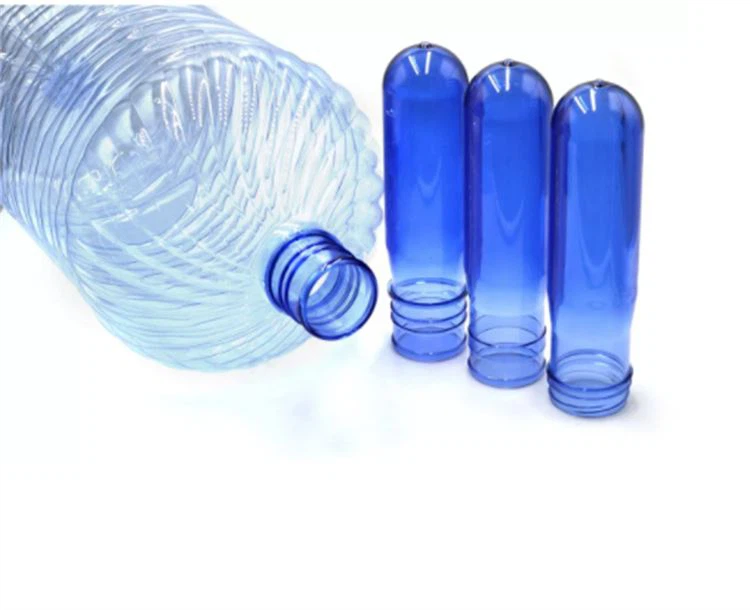
If you're in the market for high-quality water bottle preforms, I invite you to contact us to discuss your specific requirements. Our team of experts is here to help you find the perfect solution for your business, whether you're looking for 5 Gallon Pet Preform, Oil Bottle Preform, or Water Bottle Preform. We look forward to working with you!
References
- "Injection Molding Handbook" by O. Olsson and S. Kumar
- "Plastic Materials and Processes" by Charles A. Harper
- "Mold Design for Injection Molding" by James F. Carley