

Hey there! I'm a supplier of 3 Gallon Pet Preforms, and today I wanna chat about whether these preforms are suitable for pharmaceuticals.
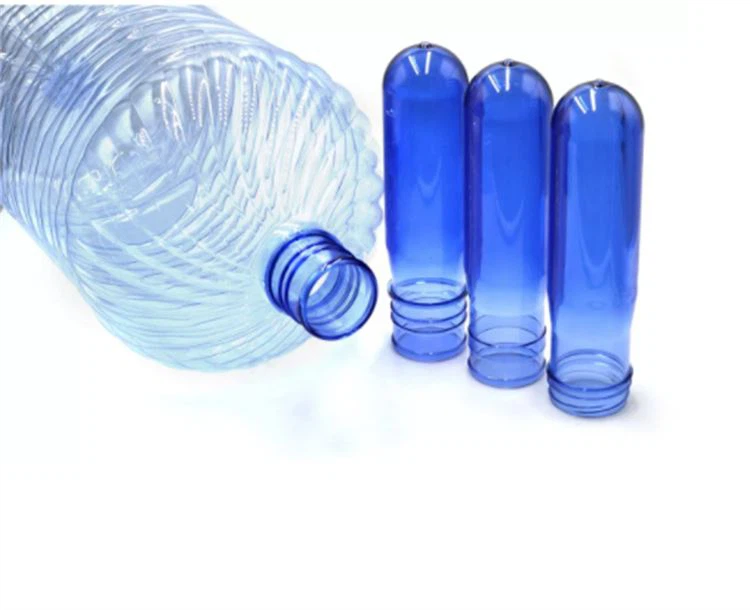
First off, let's understand what 3 Gallon Pet Preforms are. PET, or polyethylene terephthalate, is a type of plastic that's widely used in the packaging industry. Preforms are basically the initial shape of a plastic container before it's blown into its final form. A 3 - gallon size is quite large, and it can hold a significant amount of product.
When it comes to pharmaceuticals, the requirements for packaging are super strict. Safety and quality are the top priorities. Pharmaceutical products need to be protected from external factors like moisture, light, oxygen, and contaminants. So, can our 3 Gallon Pet Preforms meet these demands?
Advantages of 3 Gallon Pet Preforms for Pharmaceuticals
1. Material Properties
PET is known for its excellent barrier properties. It can effectively block out moisture and oxygen, which are two major enemies of many pharmaceutical products. Moisture can cause chemical reactions in drugs, leading to a decrease in their potency or even the formation of harmful by - products. Oxygen can oxidize certain active ingredients, also reducing the effectiveness of the medicine. With 3 Gallon Pet Preforms, we can provide a relatively stable environment for pharmaceuticals to extend their shelf life.
2. Durability
These preforms are made to be tough. They can withstand the rigors of transportation and storage. In the pharmaceutical supply chain, products are often moved from one place to another, and they need to be in containers that won't break easily. A broken container can expose the medicine to the environment, posing a risk to its quality and safety. Our 3 Gallon Pet Preforms are designed to be impact - resistant, ensuring that the pharmaceuticals inside remain intact.
3. Transparency
PET is a transparent material, which can be a huge advantage for pharmaceuticals. Pharmacists and patients can easily see the contents of the container, check for any signs of degradation such as discoloration or the presence of particles. This transparency also allows for easy identification of the product, which is crucial in a healthcare setting where mistakes can have serious consequences.
4. Customizability
As a supplier, we can customize the 3 Gallon Pet Preforms according to the specific needs of pharmaceutical companies. We can adjust the shape, thickness, and color of the preforms. For example, if a particular drug is sensitive to light, we can add UV - blocking agents to the PET material during the manufacturing process. This way, we can provide a more tailored packaging solution for different pharmaceutical products.
Challenges and Considerations
1. Regulatory Compliance
The pharmaceutical industry is highly regulated, and any packaging used for drugs must meet strict regulatory standards. These standards vary from country to country, but they generally cover aspects such as material safety, leaching of chemicals into the product, and the overall quality of the packaging. As a supplier, we need to ensure that our 3 Gallon Pet Preforms comply with all relevant regulations. This means conducting extensive testing on the materials and the final products to prove their safety and suitability for pharmaceutical use.
2. Sterility
Pharmaceutical products often need to be stored in a sterile environment. Achieving and maintaining sterility in large - volume containers like 3 Gallon Pet Preforms can be challenging. We need to have proper manufacturing processes in place to ensure that the preforms are clean and free from microorganisms before they are filled with the drugs. Additionally, the filling process also needs to be carried out in a sterile environment to prevent contamination.
3. Cost
Compared to smaller - sized packaging, 3 Gallon Pet Preforms may be more expensive in terms of material and production costs. Pharmaceutical companies need to consider whether the cost of using these large - volume preforms is justified. However, if the product is a bulk - used pharmaceutical or if it can reduce the frequency of refilling and handling, the long - term cost benefits may outweigh the initial investment.

4. Compatibility with Drugs
Not all pharmaceuticals are compatible with PET. Some drugs may react with the plastic material, especially if they are in a liquid or semi - liquid form. We need to work closely with pharmaceutical companies to conduct compatibility tests to ensure that there are no adverse reactions between the drugs and the 3 Gallon Pet Preforms.
Comparing with Other Preforms
If you're also considering other preforms, we have some related products on our website. Check out our 5 Gallon Pet Preform if you need an even larger - volume option. It has similar advantages in terms of material properties and durability but on a bigger scale. And for those in the oil industry, our Oil Bottle Preform is a great choice. It's designed to meet the specific requirements of oil packaging. Also, our 5 Gallon Water Bottle Preform is popular for water packaging, with a focus on safety and hygiene.
Conclusion
In conclusion, 3 Gallon Pet Preforms have both advantages and challenges when it comes to pharmaceutical use. They offer excellent barrier properties, durability, transparency, and customizability, which are all important factors in pharmaceutical packaging. However, we need to address issues such as regulatory compliance, sterility, cost, and compatibility.
If you're a pharmaceutical company looking for a reliable packaging solution, I encourage you to reach out to us. We have a team of experts who can work with you to determine if our 3 Gallon Pet Preforms are the right fit for your products. We can provide samples for testing and work on customizing the preforms to meet your specific needs. Let's start a conversation and see how we can collaborate to ensure the safety and quality of your pharmaceutical products.
References
- Packaging Technology for Pharmaceuticals, Second Edition by Peter K. Dey
- Handbook of Pharmaceutical Excipients, Eighth Edition by Raymond C. Rowe, Paul J. Sheskey, and Marian E. Quinn


