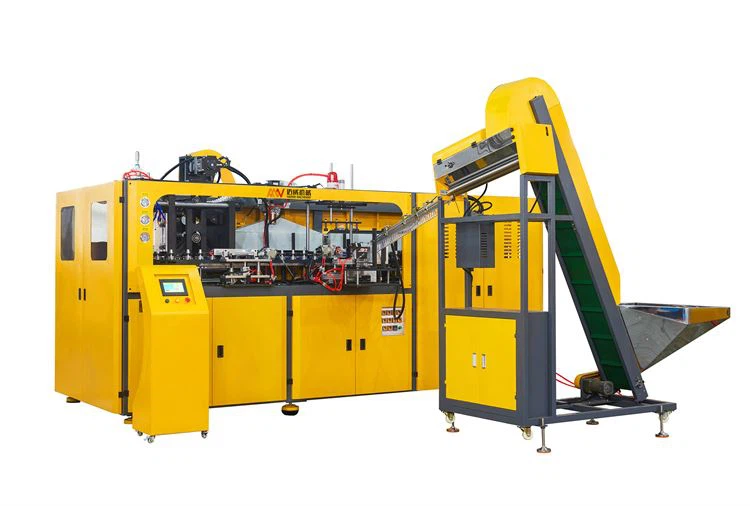
Unexpected halts in bottle making machines can be a significant headache for manufacturers. As a trusted bottle making machine supplier, we understand the urgency and frustration that come with such situations. In this blog, we'll guide you through a systematic approach to troubleshooting a bottle making machine when it suddenly stops working.
Initial Checks
Power Supply
The first step in troubleshooting is to check the power supply. Ensure that the machine is properly connected to a stable power source. Sometimes, a loose plug or a tripped circuit breaker can cause the machine to stop. Check the electrical panel and reset any tripped breakers if necessary. Also, verify that the voltage supplied to the machine matches its requirements. Fluctuations in voltage can damage sensitive components and lead to unexpected shutdowns.
Emergency Stop Button
Another common reason for a sudden stop is the activation of the emergency stop button. This button is designed to quickly halt the machine in case of an emergency. Check if the emergency stop button has been pressed and, if so, release it. Make sure that there are no obstructions or accidental activations of this button.
Overheating
Overheating can cause a bottle making machine to shut down automatically as a safety measure. Check the cooling system of the machine, including the water pumps, fans, and radiators. Ensure that the coolant levels are adequate and that there are no blockages in the cooling lines. If the machine has been running continuously for an extended period, it may need some time to cool down before restarting.
Mechanical Checks
Belt and Chain Tension
Bottles making machines rely on belts and chains to transfer power and drive various components. Over time, these belts and chains can become loose or worn, causing the machine to malfunction. Check the tension of the belts and chains and adjust them according to the manufacturer's specifications. If any belts or chains are damaged, replace them immediately.
Bearings and Bushings
Worn or damaged bearings and bushings can also cause a bottle making machine to stop working. Listen for any unusual noises coming from the machine, such as grinding or squeaking sounds, which may indicate a problem with the bearings or bushings. Inspect these components for signs of wear, such as excessive play or damage to the surfaces. Replace any worn or damaged bearings and bushings as soon as possible.
Mold and Tooling
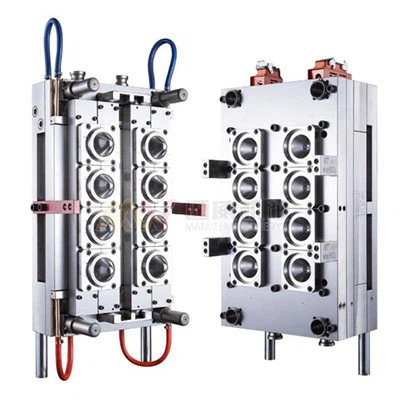
The mold and tooling of a bottle making machine are critical components that can affect its performance. Check the mold for any signs of damage, such as cracks or wear. Ensure that the mold is properly installed and aligned with the machine. Also, check the tooling, such as the blow pins and neck rings, for any damage or wear. Replace any damaged mold or tooling parts to ensure proper operation of the machine.
Electrical Checks
Sensors and Switches
Bottle making machines are equipped with various sensors and switches that monitor the operation of the machine and ensure its safety. Check these sensors and switches to make sure they are functioning properly. A faulty sensor or switch can cause the machine to stop working or operate incorrectly. Use a multimeter or other testing equipment to check the electrical continuity and functionality of these components. Replace any faulty sensors or switches as needed.
Control Panel and Wiring
The control panel of a bottle making machine contains the electronic components that control its operation. Check the control panel for any signs of damage, such as burnt components or loose connections. Also, inspect the wiring for any signs of wear or damage. A loose or damaged wire can cause electrical shorts or intermittent problems. Repair or replace any damaged wiring or components in the control panel.
PLC Programming
The Programmable Logic Controller (PLC) is the brain of a modern bottle making machine. It controls the sequence of operations and monitors the machine's performance. If the machine stops working suddenly, it's possible that there is a problem with the PLC programming. Check the PLC program for any errors or faults. You may need to consult the machine's manual or contact the manufacturer's technical support for assistance in troubleshooting the PLC programming.
Hydraulic and Pneumatic Checks
Hydraulic System
Bottle making machines often use hydraulic systems to provide the power needed for various operations, such as clamping the mold and operating the blow pins. Check the hydraulic system for any leaks, low fluid levels, or abnormal pressure readings. A hydraulic leak can cause a loss of pressure and affect the machine's performance. Inspect the hydraulic hoses, fittings, and cylinders for any signs of damage or wear. Replace any damaged components and refill the hydraulic fluid to the recommended level.
Pneumatic System
The pneumatic system of a bottle making machine is used for tasks such as opening and closing the mold and ejecting the finished bottles. Check the pneumatic system for any leaks, low air pressure, or faulty valves. Listen for any hissing sounds, which may indicate a leak in the system. Inspect the air hoses, fittings, and valves for any damage or wear. Replace any damaged components and adjust the air pressure to the recommended level.
Other Considerations
Operator Error
Sometimes, a sudden stop in a bottle making machine can be due to operator error. Make sure that the operators are properly trained and familiar with the machine's operation. Review the operating procedures and ensure that the operators are following them correctly. Provide additional training if necessary to prevent future operator errors.

Maintenance Schedule
Regular maintenance is essential for the reliable operation of a bottle making machine. Check if the machine is due for any scheduled maintenance tasks, such as oil changes, filter replacements, or lubrication. Follow the manufacturer's recommended maintenance schedule to keep the machine in good working condition and prevent unexpected breakdowns.
Environmental Factors
Environmental factors, such as dust, humidity, and temperature, can also affect the performance of a bottle making machine. Make sure that the machine is installed in a clean, dry, and well-ventilated area. Use air filters and dehumidifiers if necessary to control the environment around the machine. Protect the machine from extreme temperatures and direct sunlight, which can damage the components.
Conclusion
Troubleshooting a bottle making machine when it stops working suddenly requires a systematic approach. By following the steps outlined in this blog, you can identify and resolve the most common issues that can cause a machine to malfunction. However, if you are unable to diagnose or fix the problem, don't hesitate to contact our technical support team. As a leading bottle making machine supplier, we have the expertise and experience to provide you with the solutions you need.
We offer a wide range of bottle making machines, including Pp Blow Molding Machine, Pp Stretch Blow Molding Machine, and Pesticide Bottle Blow Molding Machine. Our machines are designed to be reliable, efficient, and easy to operate. If you are in the market for a new bottle making machine or need to upgrade your existing equipment, we invite you to contact us for more information and to discuss your specific requirements. We look forward to working with you to help you achieve your production goals.
References
- Bottle Making Machine Manufacturer's Manuals
- Industry Standards and Best Practices for Bottle Making Machines
- Technical Papers on Troubleshooting Industrial Equipment