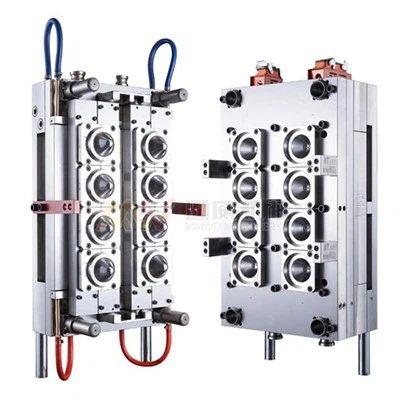
As a supplier of Pet Blow Molding Machines, I often get asked about the mold materials used in these machines. It's a crucial topic because the right mold material can significantly impact the quality, efficiency, and lifespan of the blow molding process. So, let's dive right in and explore what mold materials are commonly used for Pet Blow Molding Machines.
Why Mold Material Matters
Before we get into the specific materials, let's understand why choosing the right mold material is so important. In the blow molding process, the mold is subjected to high pressures, temperatures, and mechanical stresses. The material needs to be able to withstand these conditions without deforming, wearing out quickly, or reacting with the PET material. A good mold material will ensure consistent part quality, minimize production downtime due to mold maintenance or replacement, and ultimately save on costs in the long run.
Common Mold Materials for Pet Blow Molding Machines
Aluminum
Aluminum is one of the most popular mold materials for Pet Blow Molding Machines, and for good reasons. Firstly, it has excellent thermal conductivity. In blow molding, rapid cooling is essential to set the shape of the PET bottle quickly. Aluminum's high thermal conductivity allows heat to transfer away from the mold and the bottle rapidly, reducing cycle times and increasing production efficiency.
Secondly, aluminum is relatively lightweight compared to other metals like steel. This makes it easier to handle during mold installation, removal, and maintenance. It also puts less stress on the blow molding machine itself, potentially extending the machine's lifespan.
Thirdly, aluminum is corrosion - resistant, which is important as the blow molding process may involve the use of cooling water that could cause rust and corrosion in less resistant materials. However, aluminum is not as hard as steel, so it may wear out faster in high - volume production environments where there is a lot of friction between the mold and the PET preforms.
Steel
Steel is another widely used mold material. It comes in different types, such as carbon steel and stainless steel. Carbon steel is known for its high strength and hardness. It can withstand more wear and tear, making it a great choice for high - volume production runs where the mold will be used extensively.
Stainless steel, on the other hand, offers the added benefit of corrosion resistance. In some blow molding applications where the bottles are used for food or beverage products, stainless steel is preferred as it won't contaminate the contents. However, steel has a lower thermal conductivity compared to aluminum, which means longer cooling times and potentially slower production rates. It's also heavier than aluminum, which can make handling more difficult and may require a more robust blow molding machine.
Beryllium Copper
Beryllium copper is a less common but still valuable mold material. It has extremely high thermal conductivity, even better than aluminum in some cases. This allows for very fast cooling of the PET bottles, resulting in shorter cycle times and higher production speeds.
Beryllium copper also has good strength and toughness, which helps it resist wear and deformation. However, it's quite expensive compared to aluminum and steel, and it contains beryllium, which is a toxic material. Special safety precautions need to be taken during machining and handling of beryllium copper molds.
Factors to Consider When Choosing a Mold Material
When deciding which mold material to use for your Pet Blow Molding Machine, there are several factors you need to take into account:
- Production Volume: If you're planning for high - volume production, materials like carbon steel or beryllium copper may be more suitable as they can withstand the wear and tear better. For low - volume or prototype production, aluminum might be a cost - effective choice.
- Product Quality: If you need a very high - quality finish on your bottles, the choice of material can affect the surface smoothness and accuracy of the mold. Materials with better precision - machining capabilities, such as some steels, may be required.
- Cost: The cost of the mold material itself, as well as the cost of machining and maintenance, should be considered. Aluminum is generally the most cost - effective option, while beryllium copper is the most expensive.
- Cooling Requirements: The cooling rate required to produce the bottles efficiently will influence the choice of material. Materials with high thermal conductivity, like aluminum and beryllium copper, are better for fast cooling.
Our Range of Pet Blow Molding Machines
At our company, we offer a variety of blow molding machines to suit different needs. Whether you're looking for a 20L Bottle Blow Molding Machine for large - scale industrial production or a Plastic Bottle Blow Molding Machine for more general plastic bottle manufacturing, we've got you covered. We also have Pc Bottle Blow Molding Machine options for those specifically interested in PC bottle production.
Our machines are designed to work with different mold materials, and our team can help you choose the right combination based on your production requirements. We understand that the success of your blow molding operation depends on having the right equipment and the right mold materials, so we're committed to providing you with the best solutions.
Conclusion
Choosing the right mold material for your Pet Blow Molding Machine is a decision that can have a big impact on your production process and the quality of your products. Aluminum, steel, and beryllium copper all have their own advantages and disadvantages, and the choice will depend on factors like production volume, product quality requirements, cost, and cooling needs.


If you're in the market for a Pet Blow Molding Machine or need advice on mold materials, don't hesitate to get in touch. We're here to help you make the best choices for your business.
References
- "Blow Molding Handbook" - A comprehensive guide to the blow molding process and materials.
- Industry reports on materials used in plastic manufacturing.