

As a supplier of Pet Preform Mould, I've seen firsthand how important it is to keep hot runner PET preform moulds in top - notch condition. These moulds are the heart of the PET preform manufacturing process, and proper maintenance can significantly impact their performance, lifespan, and the quality of the final products.
Regular Cleaning
The first and most fundamental maintenance task is regular cleaning. The hot runner system is constantly in contact with molten PET material. Over time, residues can build up inside the runners, nozzles, and gates. This build - up can lead to issues like inconsistent flow, color streaks in the preforms, and even blockages.
To clean the hot runner, start by shutting down the machine and allowing it to cool. Then, carefully remove the nozzles and other accessible parts. Use a specialized cleaning agent designed for PET residues and a soft brush to gently scrub away the deposits. Make sure to clean all the channels thoroughly to ensure smooth material flow. For the more hard - to - reach areas, you might need to use a cleaning rod or other precision tools.
Inspection of Electrical Components
Hot runner systems rely heavily on electrical components to maintain the right temperature and control the flow of the molten plastic. Regularly inspecting these components is crucial. Check the heating elements for signs of damage, such as breaks or overheating. A damaged heating element can cause uneven temperature distribution in the hot runner, leading to poor preform quality.
Also, examine the thermocouples, which are responsible for measuring the temperature. If a thermocouple malfunctions, it can give false temperature readings, causing the system to operate at an incorrect temperature. Replace any faulty electrical components immediately to prevent further damage.
Nozzle Maintenance
The nozzles are one of the most critical parts of a hot runner PET preform mould. They need to be in perfect working condition to ensure accurate and consistent filling of the mould cavities. Check the nozzle tips regularly for wear and damage. A worn - out nozzle tip can cause issues like drooling (leakage of molten plastic), which can lead to flash on the preforms.
If the nozzle tip is damaged, it should be replaced promptly. Additionally, make sure the nozzle is properly seated and aligned. Misalignment can cause uneven flow and poor preform quality. Lubricate the nozzle moving parts as recommended by the manufacturer to ensure smooth operation.
Seal and Gasket Checks
Seals and gaskets play a vital role in preventing leaks in the hot runner system. Over time, they can wear out or degrade due to the high temperatures and pressures involved in the injection molding process. Inspect the seals and gaskets regularly for signs of wear, cracking, or deformation.
Replace any damaged seals or gaskets immediately. A small leak might seem insignificant at first, but it can lead to material loss, contamination, and even damage to other parts of the hot runner system.

Mold Cavity Maintenance
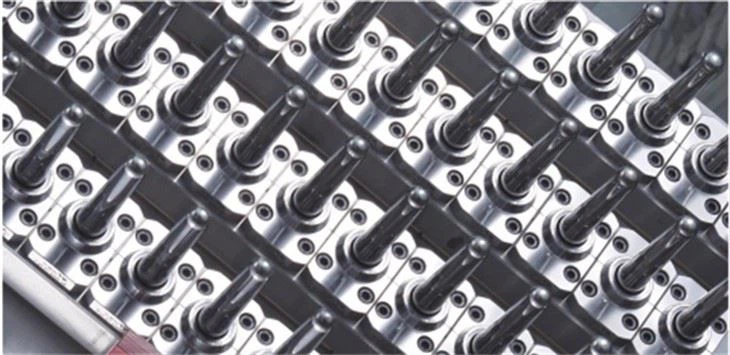
The mold cavities are where the PET preforms take their shape. Keeping them clean and in good condition is essential for producing high - quality preforms. After each production run, clean the mold cavities using a mild cleaning solution and a soft cloth or brush. Remove any residual plastic, dust, or debris.
Inspect the cavities for signs of wear, scratches, or corrosion. Minor scratches can be polished out, but if the damage is severe, the cavity may need to be repaired or replaced. Proper surface finish of the cavities is crucial for the appearance and quality of the preforms.
Lubrication
Lubrication is an often - overlooked but important part of hot runner PET preform mould maintenance. Moving parts such as the valve pins in Valve Gate Preform Mold need to be lubricated regularly to ensure smooth operation. Use a high - temperature lubricant recommended by the mould manufacturer.
Apply the lubricant sparingly to avoid contamination of the PET material. Over - lubrication can also attract dust and debris, which can cause problems in the long run.
Temperature Control System Maintenance
The temperature control system is responsible for maintaining the correct temperature in the hot runner and the mould. A stable temperature is crucial for consistent preform quality. Regularly check the temperature controllers, sensors, and cooling systems.
Calibrate the temperature sensors periodically to ensure accurate temperature readings. If the cooling system is not working properly, it can lead to overheating of the hot runner and the mould, which can damage the components and affect the quality of the preforms.
Documentation and Record - Keeping
Maintaining detailed records of all maintenance activities is a smart move. Keep track of when each maintenance task was performed, what parts were replaced, and any issues that were identified. This documentation can help you identify patterns, predict when parts might need to be replaced in the future, and ensure that all maintenance tasks are carried out on schedule.
Training for Operators
Proper training for the operators is essential for the effective maintenance of hot runner PET preform moulds. Operators should be trained on how to operate the equipment correctly, how to perform basic maintenance tasks, and how to identify early signs of problems.
A well - trained operator can prevent many common issues and can quickly report any problems to the maintenance team, reducing downtime and repair costs.
Benefits of Proper Maintenance
Investing time and effort in the maintenance of hot runner PET preform moulds has numerous benefits. Firstly, it extends the lifespan of the moulds. A well - maintained mould can last much longer than one that is neglected, saving you money on replacement costs.
Secondly, it improves the quality of the preforms. Consistent temperature control, smooth material flow, and clean mould cavities all contribute to producing high - quality preforms with fewer defects.
Thirdly, it reduces downtime. By preventing breakdowns and addressing issues promptly, you can keep your production running smoothly and meet your production targets.
In conclusion, if you're in the business of PET preform manufacturing, taking care of your Hot Runner Preform Mold is a must. By following these maintenance requirements, you can ensure the long - term performance and reliability of your moulds.
If you're looking for high - quality PET preform moulds or need more advice on their maintenance, don't hesitate to reach out to us. We're here to help you make your PET preform production as efficient and profitable as possible.
References
- Injection Molding Handbook, by O. Olafsson
- Plastics Processing Technology, by J. Beaumont


