

Hey there! As a supplier of PC blow molding machines, I often get asked if these machines can be integrated into an automated production line. Well, the short answer is yes, they absolutely can! In this blog post, I'll dive into the details of how PC blow molding machines fit into automated setups, the benefits of doing so, and what you should consider when making this integration.
Understanding PC Blow Molding Machines
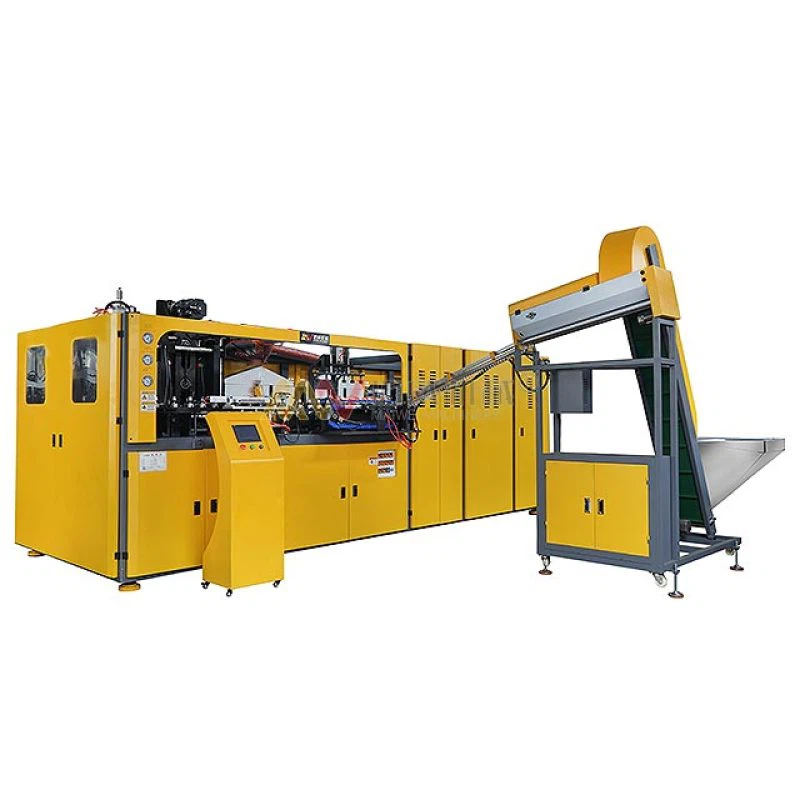
First off, let's quickly go over what a PC blow molding machine does. PC, or polycarbonate, is a strong and transparent plastic widely used in various industries, from packaging to automotive. A Pc Bottle Blow Molding Machine takes PC resin and transforms it into bottles, containers, or other hollow plastic products through a blow molding process.
The process typically involves heating the PC resin until it's molten, then injecting it into a mold. Compressed air is then blown into the molten plastic to expand it and take the shape of the mold. Once the plastic cools and solidifies, the mold opens, and the finished product is ejected.
Integrating into an Automated Production Line
Now, let's talk about integrating these machines into an automated production line. Automation in manufacturing has been on the rise in recent years, and for good reason. It offers increased efficiency, consistency, and productivity. When it comes to PC blow molding machines, there are several ways they can be part of an automated setup.
Material Handling
One of the first steps in an automated production line is material handling. In a manual setup, workers would have to load the PC resin into the machine. But in an automated line, this can be done using conveyors, hoppers, and feeders. These systems can continuously supply the PC resin to the blow molding machine, ensuring a steady production flow.
For example, a hopper can be used to store a large quantity of PC resin. A feeder then transfers the resin from the hopper to the machine at a controlled rate. This not only saves time but also reduces the risk of human error in loading the correct amount of resin.
Mold Changing
Another area where automation can be applied is mold changing. In a PC blow molding process, different molds are often used to produce various shapes and sizes of products. In a manual setup, changing molds can be a time - consuming and labor - intensive task.
However, with an automated system, mold changing can be done quickly and precisely. Robotic arms can be programmed to remove the old mold and install a new one. This reduces downtime between production runs and allows for more flexibility in manufacturing different products.
Quality Control
Automation also plays a crucial role in quality control. In an automated production line, sensors and cameras can be installed at various points. These devices can monitor the blow molding process in real - time, checking for defects such as uneven wall thickness, air bubbles, or misaligned parts.
If a defect is detected, the system can automatically reject the faulty product and alert the operator. This ensures that only high - quality products are sent further down the production line, reducing waste and improving overall product quality.
Product Ejection and Packaging
Once the PC products are formed, they need to be ejected from the mold and packaged. In an automated setup, robotic arms can be used to eject the finished products from the mold and place them on a conveyor belt. The conveyor belt then transports the products to the packaging area.
At the packaging area, automated packaging machines can wrap, label, and box the products. This entire process can be coordinated seamlessly, increasing the speed and efficiency of the production line.
Benefits of Integration
There are numerous benefits to integrating a PC blow molding machine into an automated production line.
Increased Efficiency
Automation eliminates the need for manual labor in many tasks, such as material handling, mold changing, and product ejection. This means that the production line can run continuously with minimal downtime, increasing the overall output of the manufacturing process.

Consistency
Automated systems are programmed to perform tasks with a high degree of precision. This results in consistent product quality, as each product is made to the same specifications. In a manual setup, human error can lead to variations in product quality, which can be a major issue, especially in industries with strict quality standards.
Cost Savings
While the initial investment in automation can be significant, it can lead to long - term cost savings. By reducing the need for manual labor, companies can save on labor costs. Additionally, the increased efficiency and reduced waste mean that the cost per unit of production is lower.
Safety
Automation also improves safety in the workplace. Many of the tasks involved in PC blow molding, such as handling hot molds and molten plastic, can be dangerous. By using automated systems, workers are removed from these hazardous tasks, reducing the risk of accidents and injuries.
Considerations
Before integrating a PC blow molding machine into an automated production line, there are a few things to consider.
Compatibility
The first thing to consider is the compatibility of the PC blow molding machine with the existing automation equipment. The machine should be able to communicate with the other components of the production line, such as conveyors, robotic arms, and sensors. Make sure that the machine has the necessary interfaces and protocols for seamless integration.
Customization
Every production line is unique, and you may need to customize the automation system to fit your specific requirements. This could involve programming the robotic arms to perform specific tasks or adjusting the sensors to detect particular types of defects. Work with a supplier who can provide customized solutions to meet your needs.
Training
Even with an automated production line, your employees will still need to be trained to operate and maintain the system. Make sure that your staff receives proper training on how to use the PC blow molding machine, the automation equipment, and the overall production line.
Other Related Machines
In addition to PC blow molding machines, there are other types of blow molding machines that can be integrated into an automated production line. For example, a Pp Stretch Blow Molding Machine is used to produce products from polypropylene (PP) plastic. These machines can also benefit from automation in the same ways as PC blow molding machines.
Another type is the Ediable Oil Bottle Blow Molding Machine, which is specifically designed to produce bottles for edible oil. Integrating these machines into an automated production line can improve the efficiency and quality of the production process for edible oil bottles.
Conclusion
In conclusion, a PC blow molding machine can definitely be integrated into an automated production line. The benefits of integration, such as increased efficiency, consistency, cost savings, and safety, make it a worthwhile investment for many manufacturers.
If you're considering integrating a PC blow molding machine into your production line, or if you have any questions about our Pc Bottle Blow Molding Machine or other related machines, feel free to reach out. We're here to help you optimize your manufacturing process and take your production to the next level.
References
- "Automation in Manufacturing: A Comprehensive Guide" by John Smith
- "Blow Molding Technology and Applications" by Jane Doe


