

As a supplier of wide mouth preform molds, I often get asked a lot of questions from my customers. One of the most common ones is whether a wide mouth preform mold can be used for thermosetting plastics. It's a great question, and I'm gonna break it down for you in this blog post.
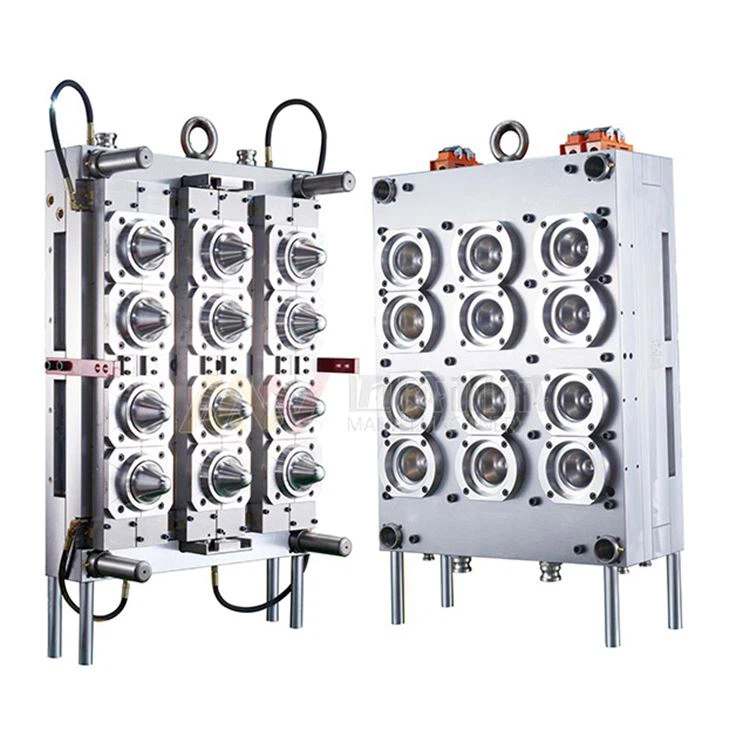
First off, let's talk about what wide mouth preform molds are. These are specialized molds used to create preforms, which are basically the initial shapes of plastic containers before they're blown into their final forms. Wide mouth preforms are typically used for containers like jars, which need a larger opening. They're designed to produce preforms with a specific shape, size, and wall thickness, depending on the requirements of the end - product.
Now, thermosetting plastics are a different breed. Unlike thermoplastics, which can be melted and reshaped multiple times, thermosetting plastics undergo a chemical change when they're heated. Once they're set, they can't be remelted. This chemical reaction, called curing, is usually irreversible. Some common examples of thermosetting plastics include epoxy, phenolic, and melamine.
So, can a wide mouth preform mold be used for thermosetting plastics? Well, it's not that straightforward.
The Challenges
There are several challenges when it comes to using a wide mouth preform mold for thermosetting plastics.
1. Curing Process
Thermosetting plastics need a carefully controlled curing process. The mold needs to be able to maintain a specific temperature for a certain period to ensure proper curing. Wide mouth preform molds are often designed for thermoplastics, which are processed at different temperatures and don't require a curing step in the same way. The heating and cooling systems in these molds may not be suitable for the curing requirements of thermosetting plastics. For example, if the mold doesn't hold the right temperature long enough, the thermosetting plastic may not cure fully, leading to a weak and brittle preform.
2. Material Flow
Thermosetting plastics have different flow properties compared to thermoplastics. They tend to be more viscous and may not flow as easily into the intricate cavities of a wide mouth preform mold. This can result in incomplete filling of the mold, leading to defects such as air pockets or thin spots in the preform. The gate design in a wide mouth preform mold, which is optimized for thermoplastics, may not work well for thermosetting plastics either. A poorly designed gate can cause uneven flow and affect the quality of the preform.
3. Mold Wear
Thermosetting plastics can be abrasive during the molding process. The chemical reactions that occur during curing can also cause corrosion in the mold. Wide mouth preform molds, especially those made for thermoplastics, may not have the appropriate surface treatments or materials to withstand the wear and tear caused by thermosetting plastics. Over time, this can lead to a shorter lifespan of the mold and increased production costs.
The Possibilities
Despite these challenges, there are some situations where a wide mouth preform mold can potentially be used for thermosetting plastics.

1. Customization
If the wide mouth preform mold is customized for thermosetting plastics, it can overcome some of the challenges. For example, the heating and cooling systems can be modified to meet the curing requirements of the thermosetting plastic. The gate design can be adjusted to improve the material flow, and the mold surface can be treated to resist wear and corrosion. At our company, we have the expertise to customize Preform Die and wide mouth preform molds to suit different types of plastics, including thermosetting ones.
2. Low - Volume Production
For low - volume production, it might be more cost - effective to use a modified wide mouth preform mold for thermosetting plastics. Instead of investing in a completely new mold designed specifically for thermosetting plastics, a modified existing mold can be a viable option. However, it's important to note that the quality control and production efficiency may be lower compared to using a dedicated thermosetting plastic mold.
Considerations for Using a Wide Mouth Preform Mold with Thermosetting Plastics
If you're thinking about using a wide mouth preform mold for thermosetting plastics, here are some important considerations.
1. Material Compatibility
Make sure the material of the mold is compatible with the thermosetting plastic. Some plastics may react with certain metals, causing corrosion or other issues. It's also important to consider the thermal expansion properties of both the plastic and the mold material to avoid any dimensional changes during the molding process.
2. Process Optimization
Work closely with your mold supplier to optimize the molding process. This may involve adjusting the temperature, pressure, and cycle time to ensure proper curing and filling of the mold. Our team at our company has extensive experience in process optimization for different types of plastics. We can help you fine - tune the process when using Hot Runner Preform Mold or wide mouth preform molds with thermosetting plastics.
3. Quality Control
Implement a strict quality control system. Since using a wide mouth preform mold for thermosetting plastics can be more challenging, it's crucial to inspect each preform for defects. This can help you identify any issues early on and make adjustments to the process or the mold as needed.
Conclusion
In conclusion, while using a wide mouth preform mold for thermosetting plastics is possible, it comes with its own set of challenges. With proper customization, process optimization, and quality control, it can be a viable option, especially for low - volume production. As a supplier of wide mouth preform molds, we're always here to help you navigate these challenges. Whether you need a customized Hot Runner Preform Mold or advice on using your existing mold with thermosetting plastics, we've got you covered.
If you're interested in learning more about our wide mouth preform molds or have any questions about using them with thermosetting plastics, don't hesitate to reach out to us. We're eager to have a chat with you and help you find the best solutions for your production needs.
References
- "Plastics Engineering Handbook" by Joel R. Katz and Ronald A. Vaughn
- "Molding of Thermosetting Plastics" by James L. Throne


