Hot Runner Preform Mold
video

Hot Runner Preform Mold

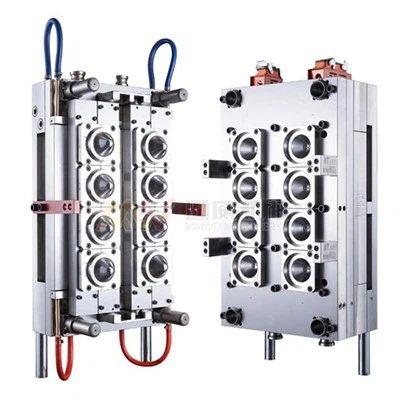
A hot runner preform mold is a specialized type of injection mold used in the production of PET (Polyethylene Terephthalate) preforms, which are the initial, unfinished forms of bottles or containers.
Send Inquiry
Product Introduction


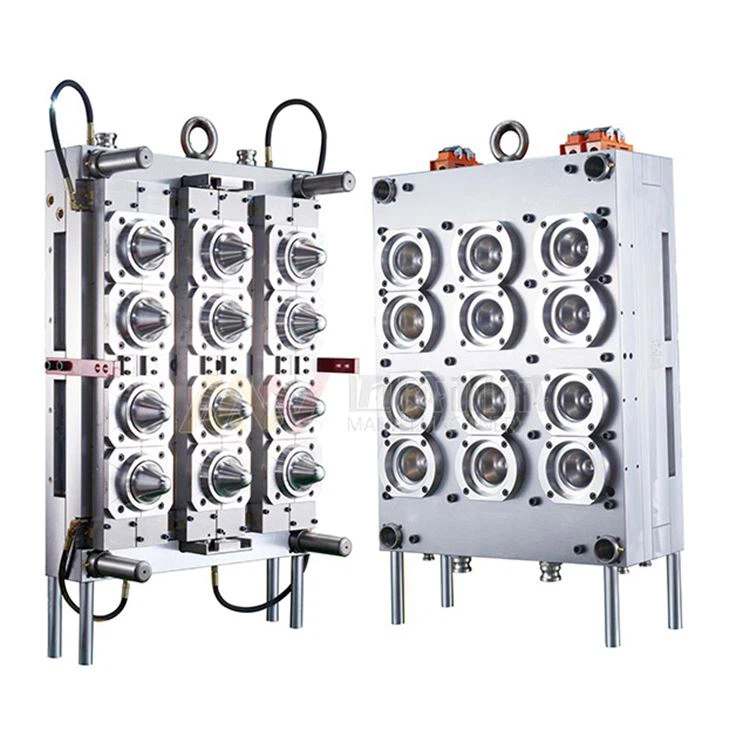
Hot runner preform mold detail for PCO1881 neck preform

Mold Size

740*450*530 (mm) (length width* thickness)

Mold layout

8*3

Weight exchangeable

21g/23g/25g

Weight tolerance

+-0.3g

Wall thickness variation

+-0.05mm

Fitting machine

280Ton injection molding machine

Production per hour

Around 6000PCS/hour

Mold life

At least 5 million shot


What is Hot Runner Preform Mold


A hot runner preform mold is a specialized type of injection mold used in the production of PET (Polyethylene Terephthalate) preforms, which are the initial, unfinished forms of bottles or containers.


Features of Hot Runner Preform Mold


High Precision and Reliability

They are designed and manufactured with precision to ensure consistency in the shape and size of the preform. Whether it is the shape of the neck, the body or the mouth of the bottle, it can be accurately copied and shaped. This precision guarantees the quality and performance of the final product, making plastic bottles more stable and reliable in use.


Efficient Production Capacity

Due to the rational design and optimization of its structure, the mold can achieve fast and efficient production during the injection molding process. The injection molding machine quickly injects molten plastic material through the mold to form the shape of the prefabricated blank, and completes the cooling and solidification process in a short time. This high-efficiency production capacity greatly improves production efficiency and meets the needs of mass production.


Flexibility and Variety

The design of the mold can be adjusted and changed according to the needs to adapt to the production of plastic bottles of different types and specifications. This flexibility enables the mold to adapt to changes in market demand and meet the individual needs of customers. Whether it is shape, capacity or function, Hot Runner Preform Mold can provide a variety of options to meet the needs of different industries and applications.


What are the Types of Hot Runner Preform Mold?

Injection Mold

This is one of the most common and widely used types of plastic bottle molds. Injection Molding Molten plastic material is injected into the mold by an injection molding machine to form the shape of the preform. Injection molds can produce plastic bottles of various shapes and capacities to meet the needs of different industries and applications.

Extrusion Mold

Extrusion dies are suitable for the production of plastic bottles with longer shapes, such as tubular containers or specially shaped bottles. The extrusion die molds the desired bottle shape by extruding molten plastic material. Extrusion dies are widely used in the production of plastic bottles, providing us with more diverse choices.

热流道瓶坯模具
热流道瓶坯模具

Blow Mold

Blow molding molds are suitable for the production of hollow plastic bottles, such as mineral water bottles and beverage bottles. Fully automatic blow molding molds are formed by extruding molten plastic material and then blowing it into a hollow shape by air pressure. Blow molding molds enable efficient production and consistent quality and are widely used in the plastic bottle industry.

Rotary Mold

Rotary molds are special molds used to produce plastic bottles with rotated or twisted shapes. Through the rotating mechanism inside the mold, the plastic material can be molded into bottles with complex shapes, such as twisted bottles, twist cap bottles, etc. The application of rotary mold brings greater creativity and diversity to the design of plastic bottles.


What are the Market Demands for Hot Runner Preform Mold?
 

Beverage Industry

Whether it is carbonated beverages, fruit juices or mineral water, plastic bottles are common packaging containers. Hot Runner Preform Mold can produce preforms of various capacities and shapes to meet the needs of different beverage brands. The application of these molds enables the beverage industry to achieve efficient production and fast launch, providing us with a wide variety of beverage choices.

Food Industry

Condiments, edible oils, jams and other food products often use plastic bottles as packaging containers. According to different food characteristics, Hot Runner Preform Mold can design bottle shapes and mouth structures that meet hygienic requirements and are convenient to use. The application of these molds makes food packaging safer and more reliable, prolongs the shelf life of food, and facilitates the use and carrying of consumers.

Daily Chemicals and Cosmetics

Shampoo, shower gel, hand sanitizer, lotion and other products are often packaged in plastic bottles. Hot Runner Preform Mold is capable of producing bottles in a variety of shapes and capacities to meet the needs of different brands and product lines. The application of these molds makes the packaging of daily chemical products and cosmetics more elegant, convenient and practical, and brings pleasant experience to consumers.

Medicines and Medical Devices

Pharmaceuticals and medical supplies often require safe and secure packaging to ensure product quality and hygiene. Hot Runner Preform Mold can produce bottles that meet the standards of the pharmaceutical industry, ensuring the safety and effectiveness of drugs. The application of these molds provides strong support for medical care and guarantees people's health and life.


How to Choose Hot Runner Preform Mold
 
Material Quality

Durability: Select a mold made from high-grade steel or aluminum for enhanced durability and resistance to wear and tear.

Thermal Conductivity: Ensure the material has good thermal conductivity to maintain uniform temperature across the mold.

Hot Runner System Design

Balanced Flow: Choose a hot runner system with a balanced flow design to ensure that the molten plastic reaches all cavities simultaneously, reducing the risk of defects.

Temperature Control: Look for molds with precise temperature control in the hot runner system to prevent overheating or underheating, which can affect preform quality.

Number of Cavities

Production Volume: Determine the appropriate number of cavities based on your production needs. More cavities allow for higher output but require more complex mold designs and higher injection pressure.

Cavity Consistency: Ensure all cavities are identical and precisely machined to produce consistent preforms.

Maintenance and Cleaning

Ease of Maintenance: Choose a hot runner mold that is easy to disassemble for maintenance and cleaning. Regular maintenance is essential for preventing material buildup and ensuring consistent performance.

Spare Parts Availability: Ensure that spare parts, such as nozzles and heaters, are readily available to minimize downtime in case of repairs.

Energy Efficiency

Insulation: Look for molds with effective insulation around the hot runner system to minimize heat loss and reduce energy consumption.

Efficient Heating: Ensure the heating elements are energy-efficient and provide uniform heat distribution to optimize the molding process.

Customization Options

Tailored Solutions: Consider molds that can be customized to meet specific production requirements, such as different preform shapes, neck sizes, or specialized features.

Flexible Design: A flexible mold design allows for easy adaptation to produce various types of preforms without significant modifications.


Frequently Asked Questions


Q: What is the primary benefit of using a hot runner preform mold in PET bottle production?

A: The primary benefit of using a hot runner preform mold is the significant reduction in material waste. Traditional cold runner systems result in scrap material that needs to be recycled or discarded. In contrast, hot runner systems maintain the polymer in a molten state, ensuring that all the material is used for preform production. This leads to cost savings, as there is no need to account for scrap material, and it also enhances the efficiency of the production process by minimizing downtime for material removal.

Q: How does a hot runner preform mold contribute to product consistency?

A: A hot runner preform mold contributes to product consistency by ensuring that each preform is formed under the same conditions. The consistent temperature maintained by the hot runner system prevents variations in cooling rates, which can affect the quality of the preform. This uniformity in the manufacturing process leads to preforms that have consistent wall thickness, weight, and other critical dimensions, ensuring that the final product meets the required specifications without significant variability.

Q: What is the role of the manifold in a hot runner preform mold?

A: The manifold in a hot runner preform mold plays a crucial role in the distribution of molten polymer to each cavity. It is a heated channel designed to ensure that the polymer remains in a molten state as it is delivered to the various cavities of the mold. The manifold is responsible for maintaining a consistent temperature throughout the system, which is essential for uniform preform quality. Its design, including the layout and diameter of the channels, can significantly impact the efficiency and effectiveness of the hot runner system.

Q: How does the use of a hot runner preform mold affect production cycle times?

A: Using a hot runner preform mold can lead to shorter production cycle times. This is because the system eliminates the cooling phase required for solidifying the runner material in traditional molds. Since the polymer is kept in a molten state, there is no need to wait for it to cool and solidify before the mold can be opened, which speeds up the overall production process. This results in higher productivity and can contribute to a more efficient use of resources in the manufacturing facility.

Q: What are the key components of a hot runner preform mold system?

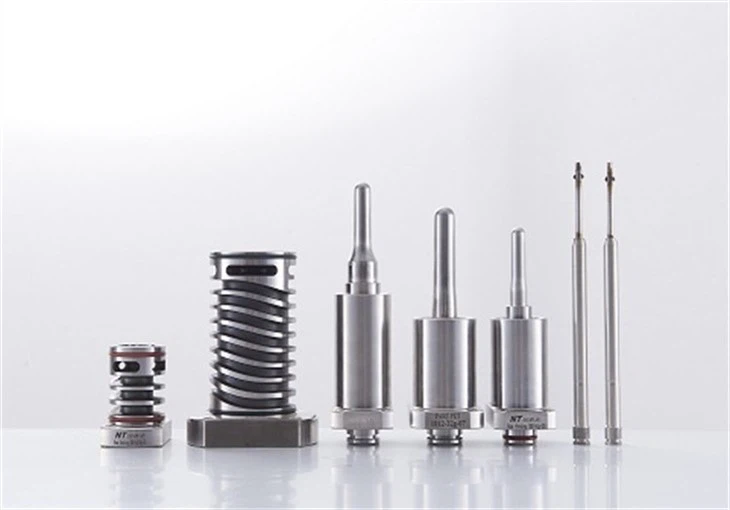
A: The key components of a hot runner preform mold system include the manifold, which distributes the molten polymer to the mold cavities; the runners, which are the channels that transport the polymer from the manifold to the individual cavities; and the nozzles or gates, which control the flow of material into each cavity. Additionally, the system includes heating elements and temperature control systems that maintain the polymer at the desired temperature throughout the injection process. Sensors and monitoring systems are also crucial for real-time control and optimization of the process.

Q: How does a hot runner preform mold impact the design of the preform?

A: A hot runner preform mold can impact the design of the preform by enabling more precise control over the preform's dimensions and properties. The consistent temperature maintained by the hot runner system allows for better control over the cooling process, which affects the crystallinity and mechanical properties of the preform. This can lead to preforms that are optimized for blow molding, resulting in bottles with improved strength, clarity, and performance characteristics.

Q: What is the importance of gate design in a hot runner preform mold?

A: Gate design in a hot runner preform mold is critical as it affects the flow of material into the cavities and can influence the quality of the preform. The gate design must be optimized to ensure that the polymer flows smoothly and uniformly into the cavity, preventing defects such as weld lines or voids. The size and shape of the gate can also impact the cooling rate of the preform, which can affect its mechanical properties and dimensional accuracy.

Q: How does the hot runner preform mold system contribute to energy savings?

A: The hot runner preform mold system contributes to energy savings by eliminating the need to heat and cool the runner material in each cycle. Since the polymer is kept in a molten state, there is no energy wasted on reheating material that has cooled down. This results in a more energy-efficient production process. Additionally, the reduced material waste associated with the hot runner system can also lead to indirect energy savings by reducing the need to recycle or dispose of scrap material.

Q: What are the maintenance requirements for a hot runner preform mold system?

A: Hot runner preform mold systems require regular maintenance to ensure optimal performance. This includes cleaning the runners and gates to remove any buildup of polymer or contaminants, which can affect the flow of material and the quality of the preform. Regular inspection and replacement of heating elements and temperature control systems are also necessary to maintain the system's reliability and efficiency. Proper maintenance is crucial for prolonging the lifespan of the system and preventing production downtime.

Q: How does the hot runner preform mold system affect the environmental impact of PET bottle production?

A: The hot runner preform mold system has a positive impact on the environmental footprint of PET bottle production. By significantly reducing material waste, it decreases the amount of scrap that needs to be recycled or disposed of, which reduces the environmental impact associated with waste management. The system also contributes to energy savings, which can lead to a reduction in greenhouse gas emissions and overall energy consumption.

Q: What is the impact of hot runner preform mold technology on the cost of production?

A: Hot runner preform mold technology can have a significant impact on the cost of production by reducing material waste and energy consumption. The elimination of scrap material leads to direct cost savings, while the reduced energy usage contributes to lower operating costs. However, the initial investment in a hot runner system can be higher compared to traditional molds, and the maintenance costs may also be higher due to the complexity of the system.

Q: How does the hot runner preform mold system affect the design of the mold itself?

A: The hot runner preform mold system affects the design of the mold by influencing the layout and arrangement of the cavities. The manifold and runner design need to be integrated into the mold design to ensure efficient and uniform distribution of the polymer. The mold may also require additional cooling channels to manage the heat generated by the hot runner system, which can impact its overall design and complexity.

Q: What is the role of temperature control in a hot runner preform mold system?

A: Temperature control is critical in a hot runner preform mold system as it ensures that the polymer is maintained at the optimal temperature throughout the injection process. This is essential for achieving consistent preform quality and preventing defects such as warping or shrinkage. The temperature control system monitors and adjusts the heat applied to the manifold and runners to maintain the desired temperature, ensuring uniformity and reliability in the production process.

Q: How does the hot runner preform mold system affect the choice of polymer materials?

A: Melting Point: Polymers used with a hot runner system need to have a melting point that can be maintained by the hot runner's heating elements. This ensures the material remains in a molten state throughout the injection process. Viscosity: Lower viscosity materials flow more easily through the hot runner system, reducing pressure requirements and improving part quality. Materials with higher viscosity might require more complex hot runner designs or higher temperatures.

Hot Tags: hot runner preform mold, China hot runner preform mold manufacturers, suppliers, factory, , , Pet Preform Mould, Preform Mold

Send Inquiry

Home

Phone

E-mail

Inquiry