Jar Preform Mold
video

Jar Preform Mold

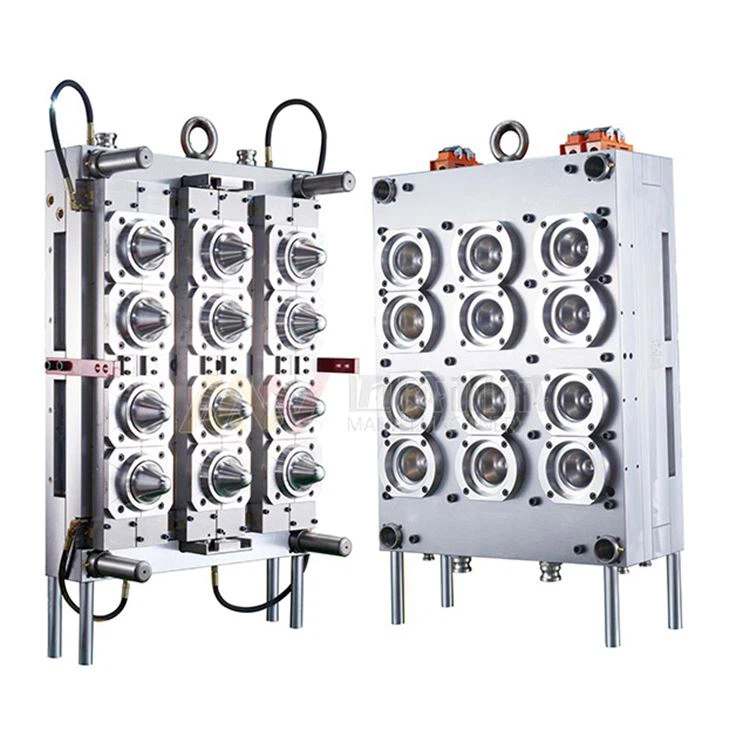
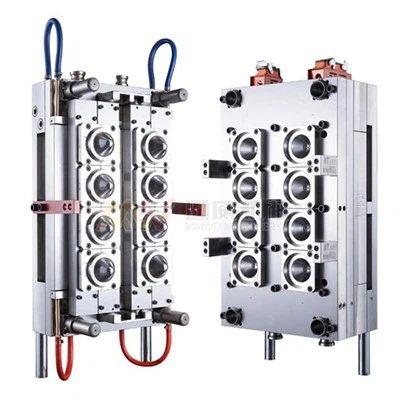
A Jar Preform Mold is a specialized tool used in the production of plastic jars through a process known as injection molding.
Send Inquiry
Product Introduction

What is Jar Preform Mold


A Jar Preform Mold is a specialized tool used in the production of plastic jars through a process known as injection molding. This mold plays a critical role in the initial phase of jar manufacturing, specifically in the creation of preforms, which are later transformed into full-sized jars through a blow molding process.


The Injection Molding Process


Mold Cavity Creation
The process begins with the design of a mold cavity, which represents the desired shape of the PET preform. These cavities are typically made from high-grade steel to withstand the stress and high temperatures of the injection molding process.


Plastic Resin Injection
Small pellets of PET resin are fed into the injection molding machine's hopper. The pellets are heated and melted, forming a molten plastic material.


Injection Into the Mold
The molten plastic is then injected into the mold cavity under high pressure. This ensures that the material flows into every nook and cranny of the cavity, creating a precise and uniform preform shape.


Cooling and Solidification
After injection, the mold with the molten plastic is allowed to cool and solidify. Cooling time is carefully controlled to achieve optimal results.


Ejection
Once the preform has solidified, the mold is opened, and ejector pins push the preform out of the cavity.


Design Considerations for Jar Preform Mold


Wall Thickness

The wall thickness of the preform must be uniform to ensure consistent quality and minimize defects during the blow molding process.


Gate Design

The gate is the entry point for the molten plastic into the mold cavity. Proper gate design is critical for ensuring minimal waste, smooth filling, and easy removal of the preform.


Cooling System

An efficient cooling system is essential to regulate the cooling process and maintain a consistent cycle time.


Ejection Mechanism

The ejection system must be designed to gently remove the preform from the mold without causing any damage.


Benefits of Using Jar Preform Mold
 
Preforms Are Non-Reactive

The main problem with plastic containers is that the contents can react negatively to the packaging and cause damage over time as a result. This leads to bottle degradation and the spoiling of whatever's inside. With the use of PET preforms, this problem is solved. PET preforms can hold a wider range of liquids and these containers are routinely inspected to ensure that nothing damages the contents inside the bottle.

Preforms Are Leak-Proof

Minor handling errors can cause damage to normal plastic bottles, spoiling the contents inside or spilling the liquid contained within. It also creates a mess in the production line. These unique PET containers do not allow any form of leakage, helping keep the product safe, protected, and in good condition for consumers. In contrast to regular plastic bottles, PET containers will not be adversely affected by a little rough handling.

Preforms Are Easy to Store

Preforms are incredibly easy to store and manage for production. Warehouse space is valuable, and preforms are much smaller compared to plastic bottles, so you can store many more of them. Plastic bottles' delicate construction makes storage challenging, even for highly effective solutions like foldable wire mesh containers. Preform containers allow for easy storage inside racks or other storage management systems, assuring the safety and security of the bottle's contents and packaging.


Applications of Jar Preform Mold
 

Beverage Industry
Jar preform molds are extensively used in the beverage industry for producing jars that are used to package a variety of drinks, including juices, energy drinks, and flavored waters. The molds help in creating consistent and durable preforms that can be easily blown into the final jar shape.


Food Packaging
In the food industry, jar preform molds are utilized to manufacture jars for packaging sauces, jams, spreads, and other food products. These preforms ensure that the jars are airtight and can preserve the freshness and shelf life of the food items.


Pharmaceutical Industry
The pharmaceutical industry relies on jar preform molds for producing containers that store medicines, vitamins, and other health-related products. The precision of these molds ensures that the containers meet strict safety and quality standards required for pharmaceutical packaging.


Cosmetics Industry
Jar preform molds are used to create packaging for various cosmetic products such as creams, lotions, and beauty balms. These molds allow for the production of jars in different sizes and designs, catering to the diverse needs of the cosmetics industry.


Chemical Industry
In the chemical industry, jar preform molds are employed to produce containers that hold various chemicals, including household cleaning products, industrial chemicals, and laboratory reagents. These preforms ensure that the jars are resistant to corrosion and can safely store hazardous materials.


Household Products
Jar preform molds are also used to create packaging for household products like detergents, air fresheners, and other consumer goods. The versatility of these molds allows manufacturers to produce jars in various shapes and sizes to suit different product types.


Frequently Asked Questions


Q: What is a Jar Preform Mold?

A: A jar preform mold is a specialized mold used in the injection molding process to create preforms, which are the initial shape of a jar before it undergoes the blow molding process. These preforms are made of plastic, typically PET (polyethylene terephthalate), and are designed to be expanded into the final jar shape in a separate molding process. The mold ensures that the preform has the correct dimensions, wall thickness, and other physical properties required for the final product, ensuring consistency and quality in the production of plastic jars.

Q: How is a Jar Preform Mold Used in Manufacturing?

A: In manufacturing, a jar preform mold is used in the injection molding process. Plastic resin, usually PET, is melted and injected into the mold cavity to create a preform. This preform is then cooled and ejected from the mold. The preform is later reheated and blown into its final jar shape in a blow molding machine. This two-step process ensures that the jar has uniform thickness and strength, which is essential for maintaining product quality, particularly for items that require airtight packaging like food, beverages, and pharmaceuticals.

Q: What Materials are Commonly Used in Jar Preform Molds?

A: Jar preform molds are typically made from high-quality, durable materials like stainless steel or hardened tool steel. These materials are chosen for their ability to withstand high temperatures and pressures during the injection molding process. The molds need to be resistant to wear and corrosion to ensure a long operational life. Additionally, the preforms themselves are commonly made from PET (polyethylene terephthalate), a material known for its strength, clarity, and barrier properties, making it ideal for packaging food, beverages, and other products that require high-quality, airtight containers.

Q: What Industries Use Jar Preform Molds?

A: Jar preform molds are widely used across several industries, including the beverage, food, pharmaceutical, cosmetics, chemical, and household products industries. In the beverage industry, they are used to produce jars for drinks like juices and energy drinks. In the food industry, they are used for packaging sauces and spreads. The pharmaceutical industry uses them for medicine containers, while the cosmetics industry employs them for jars of creams and lotions. In the chemical and household products industries, they are used for packaging items like cleaning products and detergents.

Q: What are the Advantages of Using Jar Preform Molds?

A: Using jar preform molds offers several advantages. Firstly, they ensure consistent quality and uniformity in the final product, which is crucial for packaging. Secondly, they allow for high production efficiency, as the molds can produce preforms in large quantities with precision. Thirdly, they offer flexibility in design, allowing manufacturers to create jars in various shapes and sizes. Additionally, they ensure that the jars are durable and have the necessary properties, such as airtightness and strength, to protect the contents. Finally, they contribute to cost savings by reducing material waste and production time.

Q: How Does a Jar Preform Mold Ensure Product Consistency?

A: A jar preform mold ensures product consistency by precisely controlling the dimensions, wall thickness, and overall shape of the preform. During the injection molding process, the mold cavity is filled with molten plastic under high pressure, which then cools and solidifies into the preform. The mold is designed with exact specifications, ensuring that each preform produced is identical. This consistency is crucial for the subsequent blow molding process, where any variation in the preform could lead to defects in the final jar, such as uneven wall thickness or poor sealing capabilities.

Q: What Role Does a Jar Preform Mold Play in Product Safety?

A: A jar preform mold plays a critical role in product safety by ensuring that the jars produced meet strict quality standards. For industries like food and pharmaceuticals, where product safety is paramount, the mold ensures that the jars have consistent wall thickness and strength, preventing breakage or leakage. The precision of the mold also ensures that the jars are airtight, protecting the contents from contamination and preserving freshness. Additionally, the mold materials are chosen to be non-reactive and safe for use with food-grade plastics, further contributing to the safety of the final product.

Q: How is the Design of a Jar Preform Mold Customized?

A: The design of a jar preform mold is customized based on the specific requirements of the product being packaged. Factors like jar size, shape, wall thickness, and neck finish are considered when designing the mold. The mold can be tailored to produce jars with unique features, such as wide mouths for easy filling or specialized threads for tamper-evident caps. Advanced software is used in the design process to simulate the injection molding process, ensuring that the mold will produce preforms that meet the desired specifications. Customization also extends to the mold material and cooling systems, depending on production needs.

Q: What Factors Influence the Quality of a Jar Preform Mold?

A: Several factors influence the quality of a jar preform mold, including the material used to construct the mold, the precision of the mold design, and the manufacturing process. High-quality molds are typically made from durable materials like stainless steel or hardened tool steel, which can withstand the high pressures and temperatures of the injection molding process. The precision of the mold design is also crucial; even small deviations can lead to defects in the final product. Additionally, the manufacturing process must ensure that the mold is free of defects, such as voids or surface imperfections, which could affect the quality of the preforms.

Q: How is the Lifespan of a Jar Preform Mold Determined?

A: The lifespan of a jar preform mold is determined by several factors, including the material of the mold, the quality of the manufacturing process, and the conditions under which it is used. Molds made from high-quality materials like hardened steel typically have a longer lifespan, as they are more resistant to wear and corrosion. The quality of the manufacturing process, including the precision of the mold design and the accuracy of the machining, also plays a role in determining lifespan. Additionally, proper maintenance, such as regular cleaning and inspection, can extend the mold's lifespan by preventing damage and wear.

Q: What Maintenance is Required for Jar Preform Molds?

A: Maintenance of jar preform molds is essential to ensure their longevity and consistent performance. Regular cleaning is necessary to remove any residual plastic or debris that may accumulate in the mold cavities, which can cause defects in the preforms. Periodic inspection of the mold for wear and tear, such as checking for cracks or surface damage, is also crucial. Lubrication of moving parts, such as ejector pins, helps in smooth operation and prevents unnecessary wear. Additionally, any damaged parts should be promptly repaired or replaced to avoid compromising the quality of the preforms produced.

Q: How Does Cooling System Design Affect Jar Preform Molds?

A: The design of the cooling system in a jar preform mold significantly affects the production efficiency and quality of the preforms. Efficient cooling is crucial for rapidly solidifying the molten plastic within the mold, which shortens the cycle time and increases production speed. The cooling system, typically consisting of channels within the mold through which coolant flows, must be designed to evenly cool the preform to prevent warping or uneven wall thickness. Proper cooling also reduces internal stresses in the preform, leading to better overall quality and durability of the final jar.

Q: What are the Challenges in Designing Jar Preform Molds?

A: Designing jar preform molds presents several challenges, including ensuring uniform wall thickness, accommodating different jar shapes, and maintaining precise dimensional accuracy. Uniform wall thickness is critical for product strength and integrity, but achieving it requires careful control of the molding process. Additionally, the mold must accommodate various jar designs, from wide-mouthed jars to those with intricate neck finishes, without compromising on quality. Ensuring precise dimensional accuracy is also challenging, as even small deviations can result in defects like poor sealing or uneven jar bases. These challenges require advanced design software and expertise in mold-making.

Q: What Innovations are Being Made in Jar Preform Molds?

A: Innovations in jar preform molds focus on improving efficiency, reducing waste, and enhancing the quality of the final product. Recent advancements include the use of advanced materials like titanium for mold components, which offer better wear resistance and longer lifespans. Additionally, improved cooling system designs, such as conformal cooling channels created through 3D printing, are being developed to reduce cycle times and improve product consistency. Innovations also include more precise mold-making techniques, such as CNC machining, and the integration of sensors within molds to monitor and control the molding process in real-time, leading to higher-quality preforms.

Q: How Do Jar Preform Molds Impact Sustainability?

A: Jar preform molds can have a significant impact on sustainability by enabling the production of lightweight jars that use less material without compromising strength or functionality. This reduces the overall plastic consumption and minimizes waste. Additionally, the precision of the molds helps reduce the number of defective preforms, further minimizing waste. Some molds are also designed to work with recycled PET, promoting the use of sustainable materials. Moreover, innovations in mold design, such as improved cooling systems, can reduce energy consumption during the molding process, contributing to more sustainable manufacturing practices.

Q: What is the Role of Computer-Aided Design (CAD) in Jar Preform Mold Manufacturing?

A: Computer-Aided Design (CAD) plays a crucial role in the manufacturing of jar preform molds by allowing designers to create highly precise and complex mold designs. CAD software enables the visualization of the mold's geometry, the simulation of the injection molding process, and the identification of potential issues before the mold is physically produced. This leads to improved accuracy, reduced development time, and cost savings.

Hot Tags: jar preform mold, China jar preform mold manufacturers, suppliers, factory, Preform Mold, , , Pet Preform Mould

Send Inquiry

Home

Phone

E-mail

Inquiry