

Can Pet Molds Be Used in the Freezer?
As a supplier of pet molds, I often receive inquiries from customers about the various applications and limitations of our products. One common question that comes up is whether pet molds can be used in the freezer. In this blog post, I'll delve into this topic and provide you with a comprehensive answer based on scientific knowledge and practical experience.
Understanding PET Molds
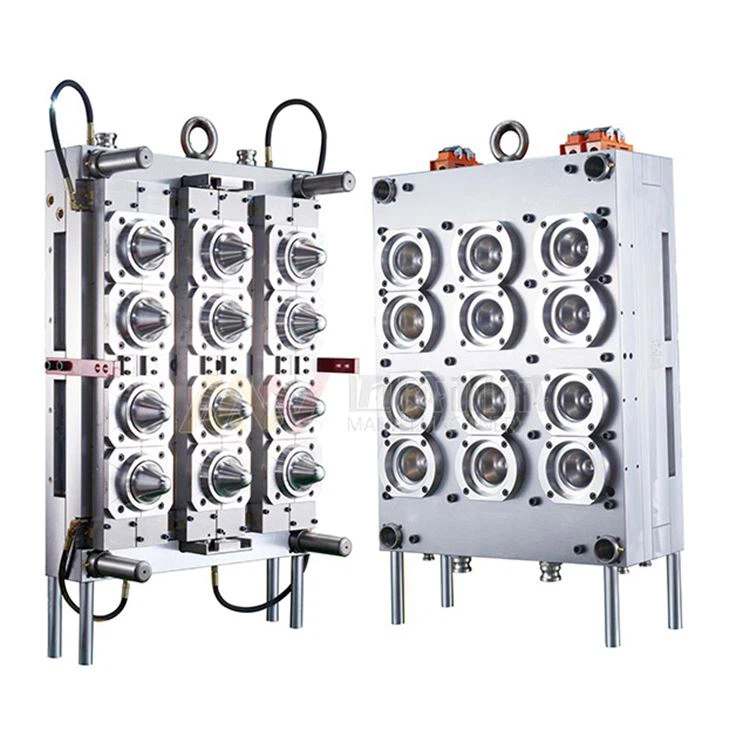
PET, or polyethylene terephthalate, is a widely used thermoplastic polymer known for its clarity, strength, and chemical resistance. Pet molds are designed to shape PET materials into various forms, such as bottles, jars, and containers. These molds are crucial in the manufacturing process of many consumer products, including beverages, food, and personal care items.
Properties of PET in Cold Temperatures
To determine whether pet molds can be used in the freezer, we first need to understand how PET behaves in cold environments. PET has a glass transition temperature (Tg) of around 70 - 80°C (158 - 176°F). Below this temperature, the polymer becomes more rigid and brittle.

In a freezer, temperatures typically range from -18°C (0°F) to -23°C (-10°F). At these low temperatures, PET retains its structural integrity to a certain extent. However, extreme cold can make the material more prone to cracking and shattering, especially if it is subjected to sudden temperature changes or mechanical stress.
Factors Affecting the Use of Pet Molds in the Freezer
- Design of the Mold: The design of the pet mold plays a crucial role in its performance in the freezer. Molds with thick walls and uniform cross - sections are generally more resistant to cracking in cold temperatures. On the other hand, molds with thin walls or complex geometries may be more susceptible to damage.
- Quality of the PET Material: The quality of the PET resin used in the molding process also affects its performance in the freezer. High - quality PET with proper additives can have better cold - resistance properties. For example, some PET resins are formulated with impact modifiers to enhance their toughness at low temperatures.
- Usage Conditions: How the pet mold is used in the freezer also matters. If the mold is filled with a liquid that expands when frozen, it can put additional stress on the mold, increasing the risk of cracking. Additionally, sudden temperature changes, such as taking a frozen mold directly from the freezer to a warm environment, can cause thermal shock and damage the mold.
Advantages of Using Pet Molds in the Freezer
- Food Storage: Pet molds can be used to create containers for food storage in the freezer. PET is a safe material for food contact, and its clarity allows users to easily identify the contents of the container.
- Reusability: Pet molds are often reusable, which makes them an environmentally friendly option for freezer storage. They can be washed and used multiple times, reducing waste.
Disadvantages and Risks
- Cracking Risk: As mentioned earlier, the main risk of using pet molds in the freezer is cracking. This can lead to the loss of the contents and the need to replace the mold.
- Limited Durability: Over time, repeated exposure to freezing temperatures can degrade the PET material, reducing its durability and performance.
Precautions for Using Pet Molds in the Freezer
- Choose the Right Mold: Select pet molds that are specifically designed for freezer use. These molds are usually made from high - quality PET with enhanced cold - resistance properties.
- Fill Containers Properly: Leave some space in the container when filling it with liquid to allow for expansion during freezing.
- Avoid Sudden Temperature Changes: When removing a frozen pet mold from the freezer, let it thaw gradually at room temperature to avoid thermal shock.
Our Offerings as a Pet Molds Supplier
As a supplier of pet molds, we offer a wide range of products suitable for various applications, including freezer use. Our molds are made from high - quality PET materials and are designed with durability in mind. We have Injection Preform Mold that are precision - engineered to ensure consistent performance. Our Jar Preform Mold are ideal for creating jars that can withstand the rigors of freezer storage. And our Injection Preform Mold are versatile and can be used to produce a variety of containers for different industries.
If you are in the market for pet molds for freezer applications, we encourage you to contact us for more information. Our team of experts can help you choose the right mold for your specific needs and provide you with detailed product specifications and pricing. We are committed to providing high - quality products and excellent customer service. Whether you are a small business or a large corporation, we have the solutions to meet your requirements.
Conclusion
In conclusion, pet molds can be used in the freezer, but it is important to take certain precautions to ensure their proper use and longevity. By understanding the properties of PET in cold temperatures, choosing the right mold, and following the recommended usage guidelines, you can safely use pet molds for freezer storage. As a pet molds supplier, we are here to support you in making the best choice for your business. Contact us today to start a discussion about your pet mold needs and explore the possibilities of using our products in your freezer applications.
References
- "Properties and Applications of Polyethylene Terephthalate (PET)", Polymer Science Journal
- "Cold - Resistance of Thermoplastic Polymers", Journal of Materials Science and Engineering


