

Hey there! I'm a supplier of preform molds, and I've been thinking a lot lately about how we can make preform mold manufacturing more environmentally friendly. It's a hot topic these days, and for good reason. With the increasing awareness of climate change and the need to protect our planet, it's crucial that we, as manufacturers, do our part to reduce our environmental impact. In this blog post, I'm going to share some of the ways we can make preform mold manufacturing more sustainable.
Using Sustainable Materials
One of the most effective ways to make preform mold manufacturing more environmentally friendly is by using sustainable materials. When it comes to mold making, the choice of materials can have a significant impact on the environment. Traditional materials like steel and aluminum have a high carbon footprint due to the energy-intensive processes involved in their production.
Instead, we can look into using recycled metals. Recycled steel and aluminum require less energy to produce compared to their virgin counterparts. By sourcing recycled materials, we can reduce the demand for new mining and extraction, which in turn helps to conserve natural resources and reduce greenhouse gas emissions.
Another option is to explore bio-based polymers. These are polymers derived from renewable resources such as plants. Bio-based polymers have the potential to be more sustainable than traditional plastics because they are biodegradable or can be recycled more easily. They can also have a lower carbon footprint during production. For example, some bio-based polymers can be produced using less energy and fewer chemicals compared to petroleum-based plastics.
Energy Efficiency in Manufacturing
Energy consumption is a major part of the preform mold manufacturing process. From the melting of metals to the operation of machinery, a lot of energy is used at every stage. To make our manufacturing more environmentally friendly, we need to focus on improving energy efficiency.
First, we can invest in modern, energy-efficient machinery. Newer machines are often designed with energy-saving features such as better insulation, more efficient motors, and advanced control systems. These features can significantly reduce the amount of energy required to operate the machines. For example, some modern injection molding machines use servo-driven systems that can adjust the power consumption according to the actual demand, resulting in energy savings of up to 50% compared to traditional hydraulic machines.
We can also optimize our production processes to reduce energy waste. This can involve things like scheduling production runs to minimize idle time for machines. When machines are left running without any work, they are still consuming energy. By carefully planning our production schedules, we can ensure that machines are only running when they are actually needed.
In addition, we can make use of renewable energy sources. Installing solar panels on our manufacturing facilities can help us generate our own clean energy. Solar power is a renewable and sustainable energy source that can significantly reduce our reliance on fossil fuels. Even if we can't generate all the energy we need from solar power, every little bit helps to reduce our carbon footprint.
Waste Reduction and Recycling
Waste management is another important aspect of making preform mold manufacturing more environmentally friendly. During the manufacturing process, there is often a significant amount of waste generated, including scrap metal, plastic waste, and used packaging materials.
To reduce waste, we can implement a lean manufacturing approach. Lean manufacturing focuses on eliminating waste in all forms, including overproduction, waiting time, unnecessary transportation, and excess inventory. By streamlining our production processes and eliminating these wasteful activities, we can reduce the amount of waste generated at the source.

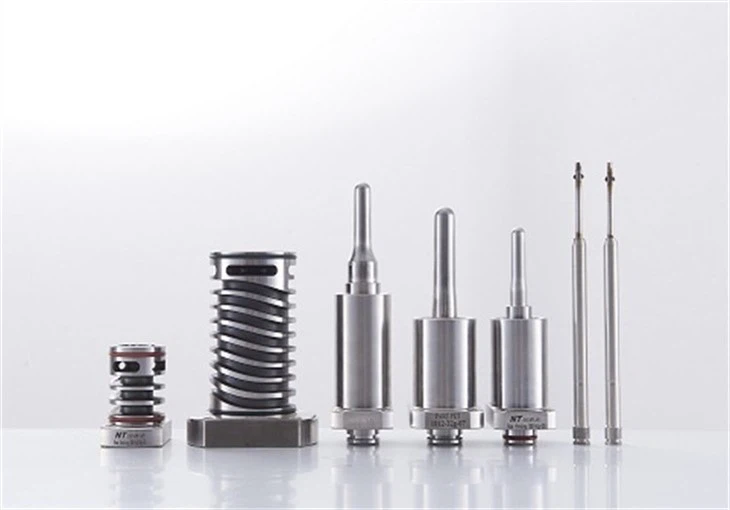
For the waste that is still generated, we need to have a proper recycling and disposal system in place. Scrap metal can be recycled and reused in the manufacturing process. Plastic waste can also be recycled, either by sending it to a recycling facility or by using in-house recycling equipment to turn it back into raw material for future production.
We can also reduce packaging waste by using more sustainable packaging materials. Instead of using single-use plastic packaging, we can opt for biodegradable or recyclable packaging materials such as cardboard or paper. We can also design our packaging to be more compact and efficient, reducing the amount of material used.
Water Conservation
Water is another valuable resource that is used in the preform mold manufacturing process. Cooling systems in injection molding machines, for example, require a lot of water to operate. To make our manufacturing more environmentally friendly, we need to focus on water conservation.
One way to conserve water is by implementing closed-loop cooling systems. These systems recirculate water instead of using fresh water continuously. By reusing the water, we can significantly reduce the amount of water consumption. Closed-loop cooling systems also help to reduce the discharge of heated water into the environment, which can have a negative impact on local ecosystems.
We can also fix any leaks in our water systems promptly. Even a small leak can waste a significant amount of water over time. By regularly checking our water systems and fixing any leaks as soon as they are detected, we can prevent unnecessary water loss.
Collaboration with Suppliers and Customers
Making preform mold manufacturing more environmentally friendly is not something that we can do alone. We need to collaborate with our suppliers and customers to achieve our sustainability goals.
When it comes to suppliers, we can work with them to ensure that they also follow sustainable practices. We can choose suppliers who use sustainable materials and have environmentally friendly manufacturing processes. By working together, we can create a more sustainable supply chain.
We can also engage with our customers to promote sustainable use of our preform molds. For example, we can provide them with information on how to operate the molds in an energy-efficient way. We can also encourage them to recycle the products made from our molds at the end of their life cycle. By working with our customers, we can extend the sustainability of our products beyond the manufacturing stage.
The Role of Innovation
Innovation plays a crucial role in making preform mold manufacturing more environmentally friendly. We need to constantly look for new and better ways to reduce our environmental impact.
One area of innovation is in the development of new manufacturing technologies. For example, 3D printing has the potential to revolutionize the preform mold manufacturing process. 3D printing can reduce material waste because it only uses the amount of material needed to create the mold. It also allows for more complex and customized designs to be created with less time and energy compared to traditional manufacturing methods.
Another area of innovation is in the field of mold design. By designing molds that are more efficient and easier to manufacture, we can reduce the amount of material and energy required. For example, using modular mold designs can make it easier to replace worn-out parts instead of replacing the entire mold, which can save both material and energy.
Conclusion
In conclusion, making preform mold manufacturing more environmentally friendly is a complex but achievable goal. By using sustainable materials, improving energy efficiency, reducing waste, conserving water, collaborating with suppliers and customers, and fostering innovation, we can significantly reduce the environmental impact of our manufacturing processes.
As a preform mold supplier, I'm committed to taking these steps to make our manufacturing more sustainable. If you're interested in Valve Gate Preform Mold, Hot Runner Preform Mold, or Valve Gate Preform Mold, and want to work with a supplier who is dedicated to environmental sustainability, I'd love to have a chat with you. Let's work together to make the world a greener place while still getting high-quality preform molds.
References
- Smith, J. (2020). Sustainable Manufacturing: A Guide to Green Practices. Green Press.
- Brown, A. (2019). Energy Efficiency in the Manufacturing Industry. Energy Journal.
- Green Manufacturing Association. (2021). Best Practices for Waste Reduction in Manufacturing. Green Manufacturing Report.


