

Hey there! As a supplier of Valve Gate Preform Mold, I've seen firsthand how crucial it is to optimize the shear rate in these molds. In this blog, I'm gonna share some tips and tricks on how to do just that.
What is Shear Rate and Why Does it Matter?
First things first, let's talk about what shear rate actually is. Shear rate is the rate at which a fluid (in our case, the plastic melt) is deformed when it flows. In a valve gate preform mold, the plastic melt flows through the hot runner system and into the cavity. The shear rate can have a big impact on the quality of the preform, including its appearance, strength, and dimensional accuracy.
If the shear rate is too high, it can cause the plastic melt to overheat, leading to degradation and discoloration. This can result in a preform with poor surface finish, reduced strength, and even structural defects. On the other hand, if the shear rate is too low, the plastic melt may not flow properly, leading to incomplete filling of the cavity and other molding issues.
So, as you can see, optimizing the shear rate is essential for producing high-quality preforms. But how do you do it? Well, let's take a look at some of the factors that affect shear rate and how you can control them.
Factors Affecting Shear Rate
1. Melt Temperature
The temperature of the plastic melt has a significant impact on its viscosity, which in turn affects the shear rate. Generally speaking, a higher melt temperature will result in a lower viscosity and a higher shear rate. However, it's important to note that increasing the melt temperature too much can also cause degradation of the plastic, so you need to find the right balance.
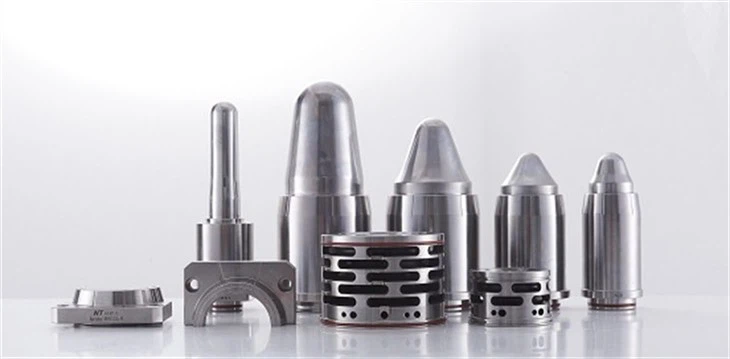
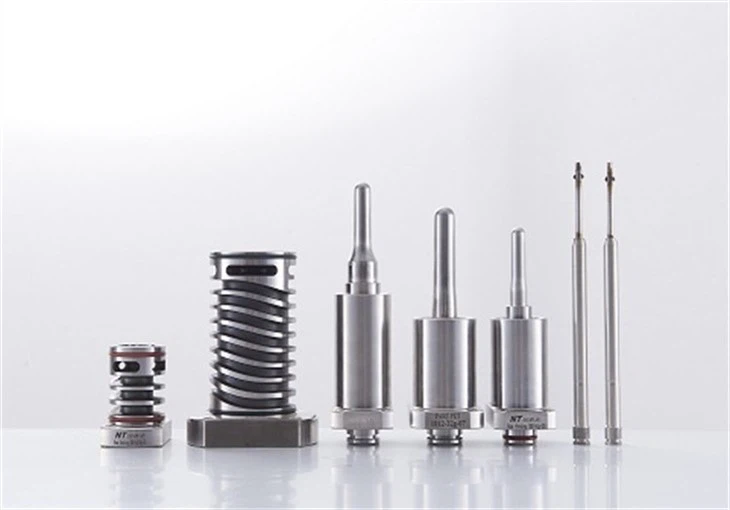
As a supplier, we recommend working closely with your plastic resin supplier to determine the optimal melt temperature range for your specific application. They can provide you with detailed information on the resin's properties and processing requirements, which will help you achieve the best results.
2. Injection Speed
The injection speed is another important factor that affects shear rate. A higher injection speed will result in a higher shear rate, as the plastic melt is forced through the hot runner system and into the cavity more quickly. However, just like with melt temperature, increasing the injection speed too much can also cause problems.
If the injection speed is too high, it can cause the plastic melt to turbulence, leading to air entrapment, weld lines, and other defects. On the other hand, if the injection speed is too low, the plastic melt may not flow properly, leading to incomplete filling of the cavity.
To optimize the injection speed, you need to consider factors such as the size and shape of the preform, the type of plastic resin being used, and the design of the hot runner system. It's often a good idea to conduct some trial runs to find the optimal injection speed for your specific application.
3. Hot Runner Design
The design of the hot runner system also plays a crucial role in determining the shear rate. A well-designed hot runner system will ensure that the plastic melt flows smoothly and evenly through the system, minimizing the shear rate and reducing the risk of defects.
Some of the key design features to consider when optimizing the hot runner system for shear rate include the diameter of the hot runner channels, the length of the channels, and the shape of the gate. A larger diameter channel will generally result in a lower shear rate, while a shorter channel length will also help to reduce shear. Additionally, the shape of the gate can have a significant impact on the flow of the plastic melt and the shear rate, so it's important to choose the right gate design for your application.
At our company, we have extensive experience in designing and manufacturing hot runner systems for valve gate preform molds. We use advanced simulation software to optimize the hot runner design for each specific application, ensuring that our customers achieve the best possible results.
4. Plastic Resin Properties
The properties of the plastic resin being used also have a significant impact on the shear rate. Different types of plastic resins have different viscosities, which will affect how they flow through the hot runner system and into the cavity.
For example, a high-viscosity resin will require a higher shear rate to flow properly, while a low-viscosity resin will require a lower shear rate. Additionally, the molecular weight distribution of the resin can also affect the shear rate, as a broader molecular weight distribution will generally result in a higher viscosity and a higher shear rate.
When selecting a plastic resin for your valve gate preform mold, it's important to consider its properties and how they will affect the shear rate. Again, working closely with your plastic resin supplier can help you make the right choice.
Tips for Optimizing Shear Rate
Now that we've discussed the factors that affect shear rate, let's take a look at some tips for optimizing it in your valve gate preform mold.
1. Conduct a Process Analysis
Before you start molding, it's a good idea to conduct a process analysis to determine the optimal process parameters for your specific application. This can involve using simulation software to model the flow of the plastic melt through the hot runner system and into the cavity, as well as conducting some trial runs to test different process parameters.
By conducting a process analysis, you can identify any potential issues with the shear rate and make adjustments to the process parameters before you start production. This can help you avoid costly molding defects and ensure that you achieve the best possible results.
2. Monitor and Control the Process
Once you've determined the optimal process parameters, it's important to monitor and control the process to ensure that the shear rate remains within the desired range. This can involve using sensors to measure the temperature, pressure, and flow rate of the plastic melt, as well as using a process control system to adjust the injection speed, melt temperature, and other process parameters as needed.
By monitoring and controlling the process, you can quickly detect any changes in the shear rate and take corrective action before they cause any problems. This can help you maintain consistent quality and reduce the risk of molding defects.
3. Use High-Quality Components
Using high-quality components in your valve gate preform mold is essential for optimizing the shear rate and producing high-quality preforms. This includes using a high-quality hot runner system, valve gates, and other components that are designed to provide smooth and consistent flow of the plastic melt.
As a supplier, we offer a wide range of high-quality Hot Runner Preform Mold and Injection Preform Mold components that are designed to optimize shear rate and improve the overall performance of your mold. Our components are made from the highest quality materials and are precision-engineered to ensure the best possible results.
4. Train Your Operators
Finally, it's important to train your operators on how to optimize the shear rate in your valve gate preform mold. This can involve providing them with detailed information on the process parameters, the factors that affect shear rate, and the importance of monitoring and controlling the process.
By training your operators, you can ensure that they have the knowledge and skills they need to produce high-quality preforms consistently. This can help you reduce the risk of molding defects and improve the overall efficiency of your production process.
Conclusion
Optimizing the shear rate in a valve gate preform mold is essential for producing high-quality preforms. By understanding the factors that affect shear rate and implementing the tips and strategies outlined in this blog, you can achieve the best possible results and improve the overall performance of your mold.
As a supplier of Valve Gate Preform Mold, we're committed to helping our customers produce the highest quality preforms possible. If you have any questions or need further assistance with optimizing the shear rate in your mold, please don't hesitate to contact us. We'd be happy to help you find the right solutions for your specific application.
References
- "Plastics Processing Handbook" by Hanser Gardner Publications
- "Injection Molding Handbook" by OSSWALD/TURNG/GRAMANN


