

Hey there! As a supplier of Injection Preform Mold, I've seen firsthand how crucial it is to pick the right ejector pins for an injection preform mold. In this blog, I'll share some tips and things to consider when making this important decision.
First off, let's talk about what ejector pins do. These little guys are super important in the injection molding process. After the plastic has been injected into the mold and cooled down, the ejector pins push the preform out of the mold cavity. Without them, getting the preform out would be a real pain, and it could even damage the mold or the preform itself.
Now, when it comes to selecting the right ejector pins, there are a few key factors to keep in mind.
1. Size and Diameter
The size and diameter of the ejector pins are crucial. You need to choose pins that are the right size for your preform. If the pins are too small, they might not be able to push the preform out effectively, leading to sticking or damage. On the other hand, if they're too large, they could leave marks on the preform or even break it.

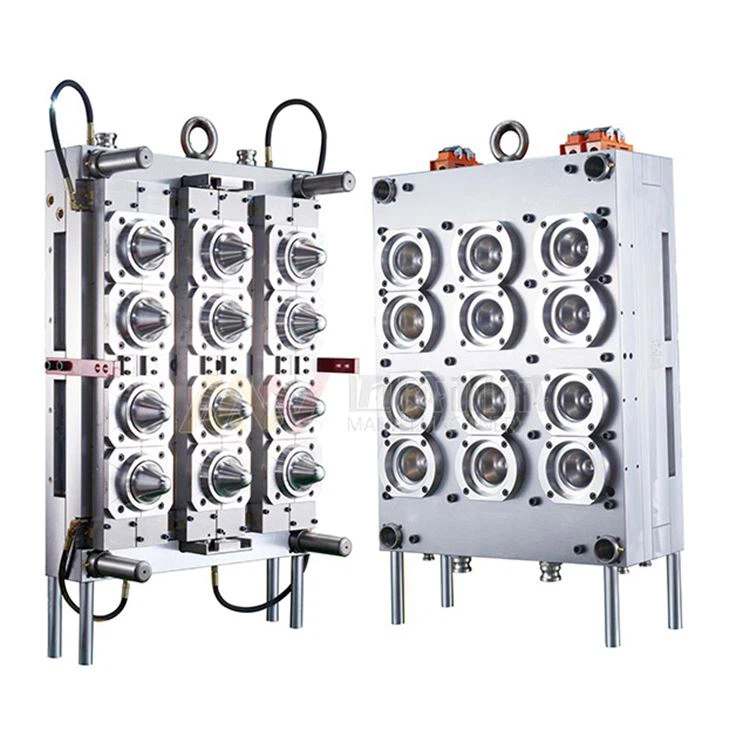
A good rule of thumb is to look at the size and shape of the preform. For smaller preforms, you'll generally need smaller diameter ejector pins. For larger preforms, you can go for slightly larger pins. But it's not just about the overall size of the preform. You also need to consider the thickness of the walls. Thicker walls might require larger pins to provide enough force to eject the preform.
2. Material
The material of the ejector pins is another important consideration. You want pins that are strong, durable, and resistant to wear and tear. Common materials for ejector pins include high - speed steel (HSS) and stainless steel.
High - speed steel is known for its hardness and ability to withstand high temperatures. It's a great choice for molds that are used in high - volume production or for materials that require high injection pressures. Stainless steel, on the other hand, is corrosion - resistant. This makes it a good option if you're working with materials that might cause corrosion or if the molding environment is humid.
3. Surface Finish
The surface finish of the ejector pins can also have a big impact on the quality of the preform. A smooth surface finish helps the pins slide easily through the mold and reduces the risk of scratching or marking the preform.
Pins with a mirror - like finish are often preferred because they minimize friction. This not only makes the ejection process smoother but also extends the life of the pins. Some manufacturers offer ejector pins with special coatings that further improve the surface finish and reduce friction.
4. Shape
Ejector pins come in different shapes, and the shape you choose depends on the design of the preform. The most common shape is the straight pin, which is suitable for most standard preforms. However, if your preform has a complex shape or undercuts, you might need to use special - shaped pins.
For example, stepped pins can be used when you need to apply different levels of force at different points on the preform. Tapered pins are useful for preforms with tapered walls, as they can provide a more even ejection force.
5. Quantity
The number of ejector pins you need is also important. You want to have enough pins to ensure that the preform is ejected evenly and without any distortion. But having too many pins can also be a problem, as it can increase the cost and complexity of the mold.
A good way to determine the right quantity of pins is to analyze the shape and size of the preform. Look for areas where the preform is likely to stick to the mold and place pins in those areas. You can also use computer - aided engineering (CAE) software to simulate the ejection process and optimize the number and placement of the pins.
Special Considerations for Different Types of Preform Molds
Wide Mouth Preform Mold
Wide mouth preforms have a larger opening, which can present some unique challenges when it comes to ejection. The larger surface area means that you might need more ejector pins to ensure even ejection. You also need to be careful not to damage the edges of the wide mouth during ejection. Using pins with a rounded tip can help prevent this.
Valve Gate Preform Mold
Valve gate molds are known for their ability to produce high - quality preforms with precise gate marks. When selecting ejector pins for valve gate preform molds, you need to make sure that the pins don't interfere with the valve gate system. The pins should be placed in a way that allows the valve gates to operate smoothly and that the preform is ejected without any issues.
In conclusion, selecting the right ejector pins for an injection preform mold is a process that requires careful consideration of several factors. By taking the time to choose the right size, material, surface finish, shape, and quantity of pins, you can ensure a smooth ejection process and high - quality preforms.
If you're in the market for an injection preform mold or need help with ejector pin selection, don't hesitate to reach out. We're here to assist you in finding the best solutions for your specific needs. Whether you're a small - scale producer or a large - scale manufacturer, we've got the expertise and products to meet your requirements. Contact us today to start the conversation about your next injection preform mold project.
References
- "Injection Molding Handbook" by O. Osswald, T. Turng, and P. Gramann
- "Mold Design for Injection Molding" by W. Michaeli and K. Pöhlein


