

What is the electrical connector in a Hot Runner Preform Mold?
As a supplier of Hot Runner Preform Molds, I often encounter inquiries about the various components that make up these sophisticated systems. One such critical component is the electrical connector. In this blog post, I'll delve into what electrical connectors are in the context of Hot Runner Preform Molds, their functions, types, and importance.
Understanding the Basics of Electrical Connectors in Hot Runner Preform Molds
An electrical connector in a Hot Runner Preform Mold serves as a crucial interface that enables the transfer of electrical power and signals between different parts of the mold system. In a hot runner system, precise temperature control is essential for the proper functioning of the mold. The electrical connectors play a vital role in ensuring that the heating elements within the hot runner receive the necessary power to maintain the optimal temperature for the plastic material to flow smoothly and produce high - quality preforms.
Functions of Electrical Connectors
- Power Transmission: The primary function of electrical connectors is to transmit electrical power from the power source to the heating elements in the hot runner. These heating elements are responsible for keeping the plastic in a molten state as it travels through the hot runner channels. Without a reliable power supply, the plastic would solidify, leading to blockages and defective preforms.
- Signal Transmission: In addition to power, electrical connectors also transmit signals for temperature control. Temperature sensors are placed throughout the hot runner system to monitor the temperature at different points. These sensors send signals to the control unit, which then adjusts the power supplied to the heating elements accordingly. The connectors ensure that these signals are accurately transmitted, allowing for precise temperature regulation.
- Mechanical Connection: Electrical connectors also provide a mechanical connection between different components of the hot runner system. They hold the wires and cables in place, preventing them from becoming loose or disconnected during the operation of the mold. This mechanical stability is crucial for the long - term reliability of the system.
Types of Electrical Connectors Used in Hot Runner Preform Molds
- Plug - and - Socket Connectors: These are the most common type of electrical connectors used in hot runner systems. They consist of a male plug and a female socket that fit together securely. Plug - and - socket connectors are easy to install and remove, making them convenient for maintenance and replacement. They are available in various sizes and configurations to accommodate different power requirements and signal types.
- Terminal Blocks: Terminal blocks are used to connect multiple wires together. They provide a secure and organized way to distribute power and signals within the hot runner system. Terminal blocks are often used in areas where there are multiple heating elements or sensors that need to be connected. They are typically made of insulating materials with metal terminals for wire connection.
- Coaxial Connectors: Coaxial connectors are used for transmitting high - frequency signals, such as those from temperature sensors. They have a central conductor surrounded by an insulating layer and an outer conductor, which helps to reduce electromagnetic interference. Coaxial connectors ensure that the signals are transmitted accurately and without distortion.
Importance of High - Quality Electrical Connectors
- Reliability: High - quality electrical connectors are essential for the reliable operation of the hot runner preform mold. A faulty connector can lead to power outages, inaccurate temperature control, and ultimately, defective preforms. By using high - quality connectors, you can minimize the risk of system failures and ensure consistent production.
- Safety: Electrical connectors also play a crucial role in ensuring the safety of the hot runner system. Poorly made connectors can pose a fire hazard due to overheating or short - circuits. High - quality connectors are designed to meet strict safety standards and are less likely to cause electrical problems.
- Longevity: Investing in high - quality electrical connectors can extend the lifespan of the hot runner system. They are more resistant to wear and tear, corrosion, and environmental factors, which means they will last longer and require less frequent replacement.
Our Offerings as a Hot Runner Preform Mold Supplier
As a leading supplier of Hot Runner Preform Molds, we understand the importance of using high - quality electrical connectors in our products. We source our connectors from reputable manufacturers who adhere to strict quality control standards. Our molds are designed to incorporate the latest connector technologies to ensure optimal performance and reliability.

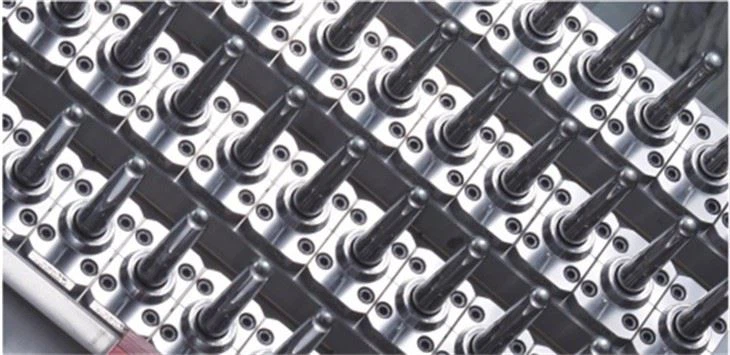
We offer a wide range of Hot Runner Preform Molds, including Jar Preform Mold, Preform Die, and Wide Mouth Preform Mold. Each of these molds is carefully engineered to meet the specific needs of our customers, with a focus on precision, efficiency, and durability.
Contact Us for Your Hot Runner Preform Mold Needs
If you are in the market for a high - quality Hot Runner Preform Mold, we invite you to contact us. Our team of experts is ready to assist you in selecting the right mold for your application and answering any questions you may have about electrical connectors or other components of our molds. Whether you are a small - scale producer or a large - scale manufacturer, we have the solutions to meet your production requirements.
We believe in providing excellent customer service and support throughout the entire process, from mold design and manufacturing to installation and after - sales service. Let us help you take your preform production to the next level with our state - of - the - art Hot Runner Preform Molds.
References
- "Hot Runner Systems: Design, Engineering, and Troubleshooting" by Michael A. Sepe
- "Plastic Injection Molding Handbook" by Osswald, Turng, and Gramann


