

Hey there! As a supplier of bottle making machines, I know how important it is to store these machines properly when they're not in use. A well - stored machine not only lasts longer but also performs better when you fire it up again. So, let's dive into how you can store your bottle making machine effectively.
1. Cleaning the Machine
Before you even think about storing your bottle making machine, you've got to give it a thorough cleaning. Over time, debris, dust, and leftover materials can accumulate on the machine's surfaces and inside its components. This buildup can cause corrosion, wear and tear, and even affect the machine's performance.
Start by removing any loose debris using a soft brush or compressed air. Pay special attention to areas where materials tend to collect, like the hoppers, molds, and conveyor belts. For stubborn stains or residues, you can use a mild detergent and a clean cloth. Make sure to dry all parts completely to prevent rusting.
For example, if you've been using a Pesticide Bottle Blow Molding Machine, the machine may have come into contact with chemicals. Cleaning it properly will not only protect the machine but also ensure that there's no cross - contamination when you use it to make other types of bottles later.
2. Lubrication
Lubrication is key to keeping your machine's moving parts in good shape. Before storing, check the lubrication levels of all the bearings, gears, and other moving components. Add lubricant as needed, following the manufacturer's recommendations.
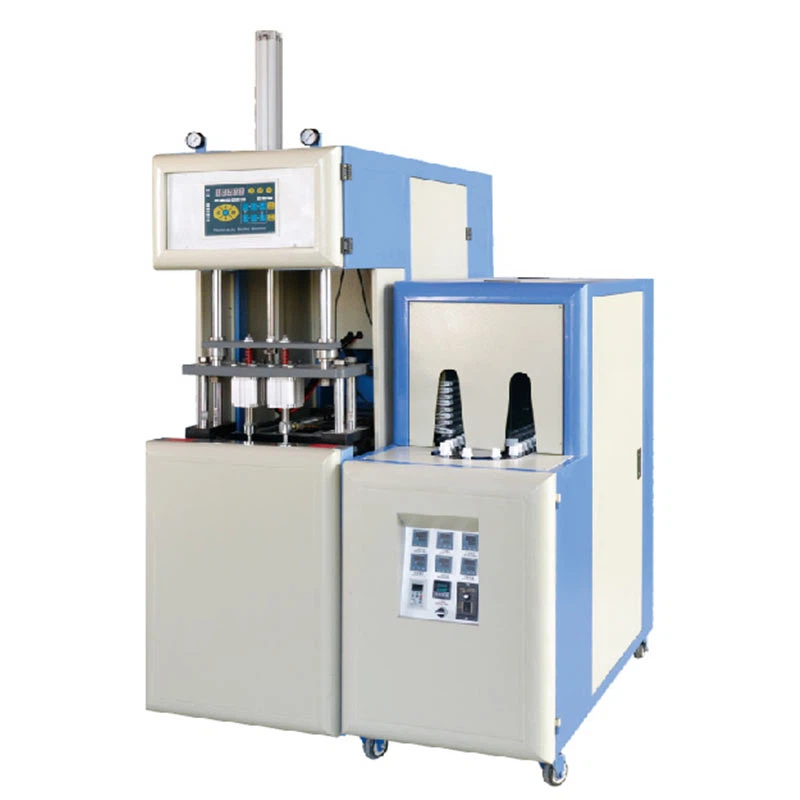

Using the right type of lubricant is crucial. Some machines may require specific high - temperature or food - grade lubricants, depending on their application. For instance, a Pet Blow Molding Machine used in the production of PET bottles for beverages may need a lubricant that meets food safety standards.
3. Disconnecting and Protecting Electrical Components
Electrical components are sensitive and can be damaged by moisture, dust, or power surges. Before storing the machine, disconnect all electrical connections, including power cords, control panels, and sensors.
Cover the electrical components with protective covers or plastic bags to keep them clean and dry. You can also label the connections to make it easier to reassemble the machine when you're ready to use it again. If possible, store the machine in an area with stable temperature and humidity to prevent damage to the electrical parts.
4. Storing Molds
Molds are an essential part of the bottle making process, and they need special care during storage. Clean the molds thoroughly to remove any plastic residues or contaminants. You can use a mold cleaner or a mild solvent for this purpose.
After cleaning, apply a thin layer of mold release agent or rust inhibitor to protect the molds from corrosion. Store the molds in a dedicated mold storage rack or cabinet, where they are protected from physical damage and environmental factors. Make sure to label each mold so that you can easily find the one you need later.
For a Cosmetic Bottle Blow Molding Machine, the molds are often very precise and may have intricate designs. Proper storage will ensure that the molds maintain their shape and quality.
5. Choosing the Right Storage Location
The storage location plays a vital role in the preservation of your bottle making machine. Look for a clean, dry, and well - ventilated area. Avoid storing the machine in areas prone to flooding, excessive humidity, or extreme temperatures.
If possible, store the machine indoors. An industrial warehouse or a dedicated storage facility is ideal. If indoor storage is not an option, you can use a weather - resistant cover to protect the machine from the elements.
Make sure the storage area is secure to prevent theft or vandalism. You may also want to consider using a storage rack or pallet to keep the machine off the ground, which helps prevent moisture damage.
6. Regular Inspections
Even when the machine is in storage, it's important to conduct regular inspections. Check the machine every few months to ensure that there are no signs of damage, corrosion, or pest infestation.
Inspect the lubrication levels, the condition of the electrical components, and the integrity of the molds. If you notice any issues, address them immediately. For example, if you see signs of rust on a metal part, you can use a rust remover and apply a new coat of protective paint.
7. Documentation
Keep detailed records of the machine's storage process. Document the cleaning, lubrication, and inspection dates, as well as any maintenance or repairs performed before storage.
This documentation will be useful when you're ready to use the machine again. It will help you identify any potential issues and ensure that the machine is in proper working condition.
Why Proper Storage Matters
Proper storage of your bottle making machine can save you a lot of money in the long run. By preventing damage and wear and tear, you extend the machine's lifespan, reduce the need for costly repairs, and ensure consistent product quality.
A well - maintained machine also operates more efficiently, which can lead to lower energy consumption and higher productivity. When you're ready to use the machine again, it will start up smoothly and produce high - quality bottles right away.
Reach Out for More
If you're in the market for a new bottle making machine or need more advice on storing your existing one, don't hesitate to reach out. We're here to help you make the best decisions for your business. Whether you're interested in a Pesticide Bottle Blow Molding Machine, a Pet Blow Molding Machine, or a Cosmetic Bottle Blow Molding Machine, we've got you covered. Let's talk about your specific needs and find the perfect solution for you.
References
- "Industrial Machine Maintenance Handbook"
- Manufacturer's manuals for bottle making machines


