As a supplier of Valve Gate Preform Molds, I understand the importance of proper storage for these precision tools. A well - stored valve gate preform mold not only extends its service life but also ensures its optimal performance when it is put back into use. In this blog, I will share some essential tips on how to store a valve gate preform mold when not in use.
1. Cleaning the Mold Thoroughly
Before storing the valve gate preform mold, a comprehensive cleaning process is crucial. Residual plastic, lubricants, and other contaminants can cause corrosion, wear, and affect the mold's precision over time.
First, use appropriate cleaning agents. For most valve gate preform molds, a mild solvent that can dissolve plastic residues without damaging the mold material is recommended. Avoid using abrasive cleaners that may scratch the mold surface. After applying the solvent, use soft brushes or cloths to gently scrub the mold cavities, cores, and all the intricate parts. Pay special attention to the valve gate areas, as any blockage or residue here can significantly impact the injection process later.
Next, clean the cooling channels. These channels are vital for maintaining the right temperature during the molding process. Use specialized cleaning tools or chemicals to remove any scale, rust, or debris that may have accumulated inside the channels. A blocked cooling channel can lead to uneven cooling, which in turn can cause defects in the preforms.
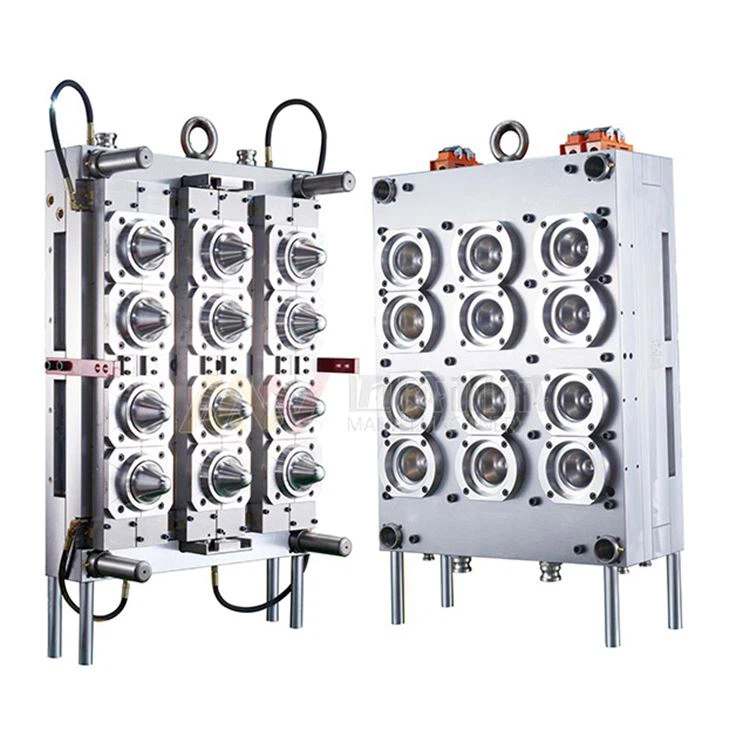

2. Rust Prevention
Rust is one of the biggest enemies of valve gate preform molds. Since these molds are often made of metal, they are prone to corrosion, especially in humid environments.
Apply a high - quality rust - preventive coating on the entire surface of the mold. There are various types of rust - preventive oils and sprays available in the market. Make sure to choose a product that is compatible with the mold material. Apply the coating evenly, covering all exposed metal parts, including the mold base, cavities, and moving components.
In addition to the coating, consider using desiccants in the storage area. Silica gel packets are a common and effective choice. Place them near the mold to absorb moisture from the air, reducing the risk of rust formation.
3. Disassembly and Inspection
For more complex valve gate preform molds, it may be necessary to disassemble certain parts for storage. However, this should be done carefully following the manufacturer's instructions.
Before disassembly, take detailed notes or photos of the mold's structure and the position of each part. This will make reassembly much easier. Inspect each part during the disassembly process. Look for signs of wear, damage, or deformation. Replace any worn - out components immediately to ensure the mold's proper functioning when it is used again.
Store the disassembled parts separately in labeled containers. This helps in organizing the parts and prevents them from getting lost or damaged during storage.
4. Storage Environment
The storage environment plays a significant role in maintaining the quality of the valve gate preform mold.
- Temperature and Humidity: The ideal storage temperature for valve gate preform molds is between 18°C - 22°C (64°F - 72°F), with a relative humidity of around 40% - 50%. High humidity can cause rust, while extreme temperature changes can lead to thermal expansion and contraction, which may affect the mold's dimensional accuracy. Use a climate - controlled storage room or install a dehumidifier and a temperature regulator if necessary.
- Dust and Contamination: Keep the storage area clean and free from dust. Dust particles can accumulate on the mold surface and may enter the moving parts, causing abrasion and malfunction. Store the mold in a sealed container or a dedicated storage cabinet to protect it from dust.
- Vibration and Impact: Avoid storing the mold in an area where it may be subject to vibration or impact. Vibration can loosen the mold components, and impact can cause cracks or other damage to the mold. Place the mold on a stable and level surface.
5. Proper Support and Positioning
When storing the valve gate preform mold, it is essential to provide proper support to prevent deformation.
Use a suitable storage rack or pallet that can evenly distribute the weight of the mold. Make sure the mold is placed in a position that is consistent with its normal operating orientation. This helps to maintain the mold's structural integrity and prevents any warping or distortion.
For large - scale valve gate preform molds, additional support may be required. Use wooden blocks or other support materials to prop up the mold at critical points.
6. Documentation
Keep detailed documentation of the mold's storage process. This includes records of the cleaning, inspection, and any maintenance or repairs performed before storage.
The documentation should also include information about the storage location, the date of storage, and any special instructions for handling and reassembly. This information will be valuable when the mold needs to be retrieved and put back into use.
7. Regular Check - ups
Even during storage, it is important to conduct regular check - ups on the valve gate preform mold.
Inspect the mold at least once every few months. Check for signs of rust, damage, or any changes in the mold's condition. If any issues are detected, take appropriate measures immediately, such as reapplying the rust - preventive coating or performing minor repairs.
In conclusion, proper storage of a valve gate preform mold is a multi - step process that requires attention to detail. By following these guidelines, you can ensure that your mold remains in excellent condition during the storage period and is ready to produce high - quality preforms when needed.
If you are interested in our Injection Preform Mold, Preform Die, or Hot Runner Preform Mold, or if you have any questions about mold storage or other related topics, we welcome you to contact us for procurement discussions.
References
- "Mold Maintenance and Storage Best Practices" by Industry Molding Association
- "Guide to Precision Mold Storage" published by a leading mold manufacturing company