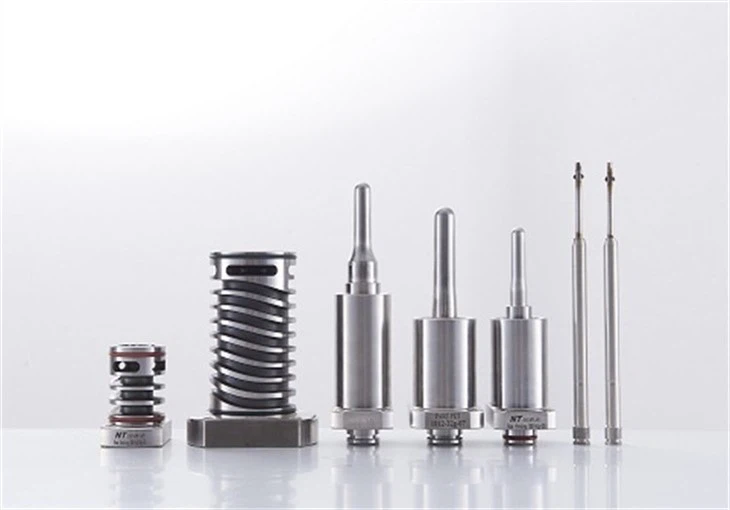
Hey there! As a supplier of preform dies, I've been in the game for quite a while, and I know how crucial alignment is when it comes to these little wonders. So, let's dive right into what the alignment requirements for a preform die are.
First off, why is alignment so important? Well, a well - aligned preform die can make or break your production process. If the alignment is off, you're looking at a whole bunch of problems like uneven wall thickness in the preforms, flash (that extra plastic that no one wants), and even issues with the mold's lifespan. In short, proper alignment ensures high - quality preforms and a smooth production run.
Horizontal and Vertical Alignment
One of the primary alignment requirements is getting the horizontal and vertical alignment just right. Horizontally, the die halves need to be perfectly in line. This means that when the two parts of the die come together, there's no offset. If there is, you'll end up with misaligned preforms, which can cause all sorts of downstream issues. For example, when these misaligned preforms are blown into bottles or other containers, they might not have the correct shape or might not fit properly on filling lines.
Vertically, the alignment is equally important. The die needs to be level so that the plastic flows evenly throughout the cavity. If the die is tilted, the plastic might pool in one area, resulting in thick walls in that spot and thin walls elsewhere. To achieve this, we often use precision leveling tools. These tools help us make sure that the die is sitting flat on the molding machine's platen. It's a bit like setting up a table; if one leg is shorter, the whole thing is off - balance.
Alignment of Cavities
Most preform dies have multiple cavities, and each cavity needs to be aligned correctly with the others. The spacing between the cavities should be uniform. This ensures that each preform gets an equal amount of plastic during the injection process. If the cavities are not aligned properly, some preforms might be over - filled while others are under - filled.
Moreover, the alignment of the cavity with the injection nozzle is critical. The nozzle needs to be centered over the cavity so that the plastic can flow smoothly into it. Any misalignment here can lead to poor filling, air bubbles in the preform, or even blockages in the nozzle. When designing and manufacturing our preform dies, we use advanced CAD (Computer - Aided Design) software to ensure that the cavities and nozzles are perfectly aligned. It's like aiming a dart; if you're off - target, you won't hit the bullseye.
Alignment with the Molding Machine
The preform die also needs to be aligned with the molding machine itself. This includes aligning the die's mounting holes with the machine's platens. If these holes don't line up, it can be a real headache. You might have trouble mounting the die securely, which can lead to vibrations during the molding process. These vibrations can cause the die to wear out faster and can also affect the quality of the preforms.
Another aspect of alignment with the molding machine is the alignment of the ejection system. The ejector pins in the die need to be in sync with the machine's ejection mechanism. If they're not, the preforms might not be ejected properly, which can lead to jams and downtime. We always make sure to test the alignment of the die with the molding machine before sending it out to our customers. It's like making sure all the parts of a puzzle fit together before you start the game.
Thermal Expansion Considerations
When it comes to alignment, we can't forget about thermal expansion. During the molding process, the preform die heats up, and different materials expand at different rates. This can cause the alignment to shift if not properly accounted for. We use materials with similar thermal expansion coefficients in the construction of our dies. This helps minimize the changes in alignment due to temperature variations.
We also design our dies with expansion gaps. These gaps allow the die to expand without causing misalignment. It's a bit like building a bridge with expansion joints; they give the structure room to move when the temperature changes.
Maintenance and Alignment Checks
Alignment isn't a one - time thing. Regular maintenance and alignment checks are essential. Over time, the constant opening and closing of the die, as well as the pressure and heat from the molding process, can cause the alignment to drift. We recommend that our customers perform alignment checks at regular intervals. This can be as simple as using alignment gauges to measure the position of the die components.
If any misalignment is detected, it should be corrected immediately. Small misalignments can quickly turn into big problems if left unchecked. It's like a small crack in a dam; if you don't fix it, it can lead to a major disaster.
How Our Preform Dies Excel in Alignment
At our company, we take alignment very seriously. We use state - of - the - art manufacturing techniques and precision equipment to ensure that our preform dies meet the highest alignment standards. Our team of experienced engineers and technicians are experts in die alignment. They carefully monitor every step of the manufacturing process to make sure that the alignment requirements are met.
We also offer customization options. If you have specific alignment requirements for your production process, we can design and manufacture a preform die that fits your needs. Whether you're looking for an Injection Preform Mold, a Jar Preform Mold, or a Valve Gate Preform Mold, we've got you covered.
Why Choose Us?
Choosing the right preform die supplier is crucial for the success of your production. Our preform dies are known for their excellent alignment, which translates into high - quality preforms and a more efficient production process. We stand behind the quality of our products and offer great customer support.
If you're in the market for a preform die and want to ensure that alignment is top - notch, we'd love to hear from you. Whether you're a small - scale producer or a large - scale manufacturer, we can provide the right solution for you. Don't hesitate to reach out to us to discuss your requirements and start a partnership that will take your production to the next level.
References
- "Plastic Injection Molding Handbook" by O. Olabisi
- "Mold Design and Manufacturing" by R. Throne
So, if you're ready to take control of your preform production and need a reliable preform die with perfect alignment, get in touch with us. Let's talk about how we can help you achieve your production goals.