

As a reputable supplier of Injection Preform Mold, I've witnessed firsthand the critical role ejector systems play in the injection preform molding process. Ejector systems are essential for removing the molded preforms from the mold cavity after the plastic has solidified. However, like any mechanical component, they can encounter a range of problems that can affect the quality of the preforms and the efficiency of the production process. In this blog post, I'll discuss some of the common problems with ejector systems in injection preform molds and provide practical solutions to address them.
Common Problems with Ejector Systems
1. Ejector Pin Breakage
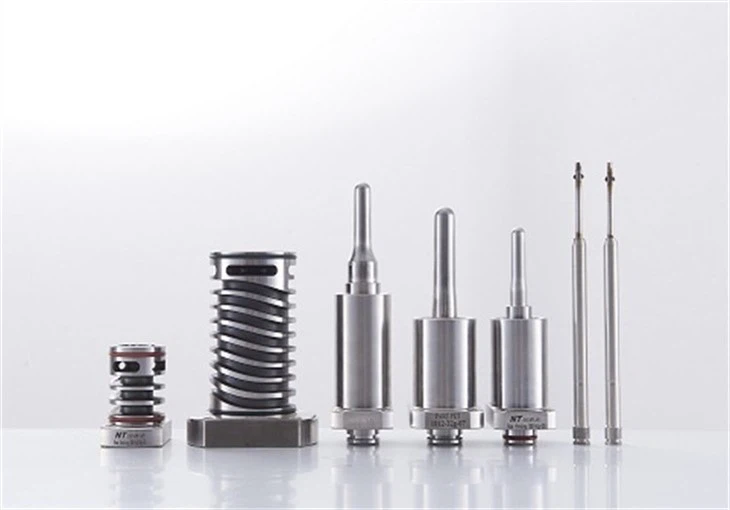
One of the most prevalent issues in ejector systems is ejector pin breakage. This can occur due to several reasons, including excessive stress on the pins, improper alignment, or wear and tear over time. When an ejector pin breaks, it can lead to incomplete ejection of the preform, causing damage to the mold and the preform itself. Additionally, broken pins can contaminate the mold cavity, leading to quality issues in subsequent production runs.
2. Sticking Preforms
Sticking preforms are another common problem in ejector systems. This can happen when the preform adheres to the mold cavity due to factors such as high friction, improper cooling, or the use of incorrect mold release agents. Sticking preforms can cause the ejector system to malfunction, leading to damaged preforms and increased downtime for mold cleaning and maintenance.
3. Uneven Ejection
Uneven ejection occurs when the preform is not ejected uniformly from the mold cavity. This can result in preforms with uneven wall thickness, warping, or other defects. Uneven ejection can be caused by factors such as misaligned ejector pins, inconsistent mold temperature, or improper gate design.
4. Ejector System Jamming
Ejector system jamming can occur when the ejector pins or other components of the ejector system become stuck or blocked. This can be caused by debris, plastic buildup, or mechanical failure. Jamming can prevent the preform from being ejected properly, leading to production delays and potential damage to the mold.
Solutions to Ejector System Problems
1. Ejector Pin Breakage
- Proper Design and Material Selection: Ensure that the ejector pins are designed and sized correctly for the specific application. Use high-quality materials with sufficient strength and durability to withstand the forces exerted during the ejection process.
- Regular Inspection and Maintenance: Conduct regular inspections of the ejector pins to check for signs of wear, damage, or misalignment. Replace any worn or damaged pins promptly to prevent breakage.
- Improve Lubrication: Apply a suitable lubricant to the ejector pins to reduce friction and prevent sticking. This can help extend the lifespan of the pins and reduce the risk of breakage.
2. Sticking Preforms
- Optimize Cooling System: Ensure that the mold cooling system is designed and operated correctly to provide uniform cooling of the preform. This can help reduce the adhesion between the preform and the mold cavity.
- Use the Right Mold Release Agent: Select a mold release agent that is compatible with the plastic material and the mold surface. Apply the release agent evenly to the mold cavity to facilitate easy ejection of the preform.
- Adjust Ejection Force: If the preform is sticking due to excessive friction, adjust the ejection force of the ejector system to ensure that the preform is ejected smoothly.
3. Uneven Ejection
- Align Ejector Pins: Check the alignment of the ejector pins regularly to ensure that they are perpendicular to the mold cavity and evenly spaced. Misaligned pins can cause uneven ejection and lead to preform defects.
- Control Mold Temperature: Maintain a consistent mold temperature throughout the production process to prevent warping and uneven cooling of the preform. This can help ensure uniform ejection and improve the quality of the preforms.
- Optimize Gate Design: Review the gate design to ensure that it is providing uniform filling of the mold cavity. A well-designed gate can help prevent uneven ejection and improve the overall quality of the preforms.
4. Ejector System Jamming
- Keep the Mold Clean: Regularly clean the mold cavity and the ejector system to remove any debris, plastic buildup, or other contaminants. This can help prevent jamming and ensure smooth operation of the ejector system.
- Inspect and Maintain Mechanical Components: Check the mechanical components of the ejector system, such as the ejector plates, guide pins, and return springs, for signs of wear or damage. Replace any worn or damaged components promptly to prevent jamming.
- Implement a Preventive Maintenance Program: Develop and implement a preventive maintenance program for the ejector system to ensure that it is regularly inspected, cleaned, and lubricated. This can help identify and address potential problems before they cause significant production issues.
The Role of Valve Gate Preform Molds
In addition to addressing the common problems with ejector systems, the use of Valve Gate Preform Mold or Valve Gate Preform Mold can also help improve the performance and efficiency of the injection preform molding process. Valve gate preform molds offer several advantages over traditional hot runner molds, including better control over the filling process, reduced cycle times, and improved preform quality.
Valve gate preform molds use a valve gate system to control the flow of plastic into the mold cavity. This allows for precise control over the gate opening and closing, which can help prevent gate vestiges, reduce the risk of cold slug formation, and improve the overall appearance of the preform. Additionally, valve gate preform molds can be designed to provide uniform filling of the mold cavity, which can help reduce the occurrence of uneven ejection and other quality issues.

Conclusion
The ejector system is a critical component of injection preform molds, and any problems with this system can have a significant impact on the quality of the preforms and the efficiency of the production process. By understanding the common problems with ejector systems and implementing the appropriate solutions, manufacturers can minimize downtime, improve preform quality, and increase productivity.
As a leading supplier of injection preform molds, we are committed to providing our customers with high-quality molds and comprehensive support services. If you are experiencing problems with your ejector system or are looking to upgrade your existing molds, we encourage you to contact us to discuss your specific needs. Our team of experts can provide you with customized solutions and recommendations to help you optimize your injection preform molding process.
References
- Throne, J. L. (2001). Plastics Rheology and Processing. Marcel Dekker.
- Rosato, D. V., & Rosato, D. V. (2004). Injection Molding Handbook. Kluwer Academic Publishers.
- Osswald, T. A., & Turng, L.-S. (2007). Injection Molding Handbook. Hanser Publishers.


