

Hey there, fellow pet preform enthusiasts! As a supplier of Pet Preform Moulds, I've seen my fair share of molds come and go. One of the most common questions I get asked is, "What are the signs that a pet preform mould needs to be replaced?" Well, you've come to the right place! In this blog post, I'm gonna break down the tell - tale signs that it's time to say goodbye to your old mold and invest in a new one.
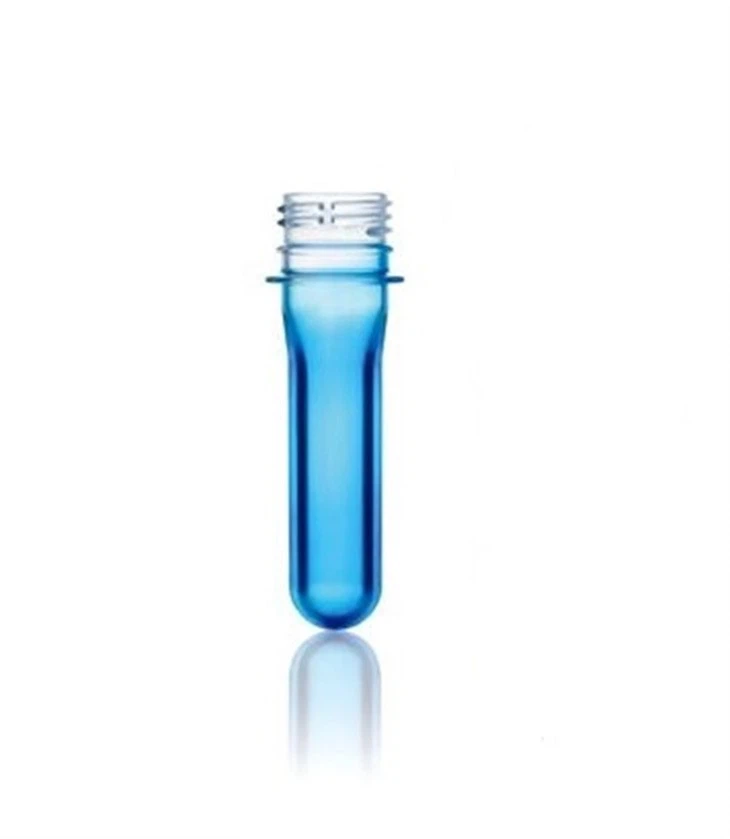
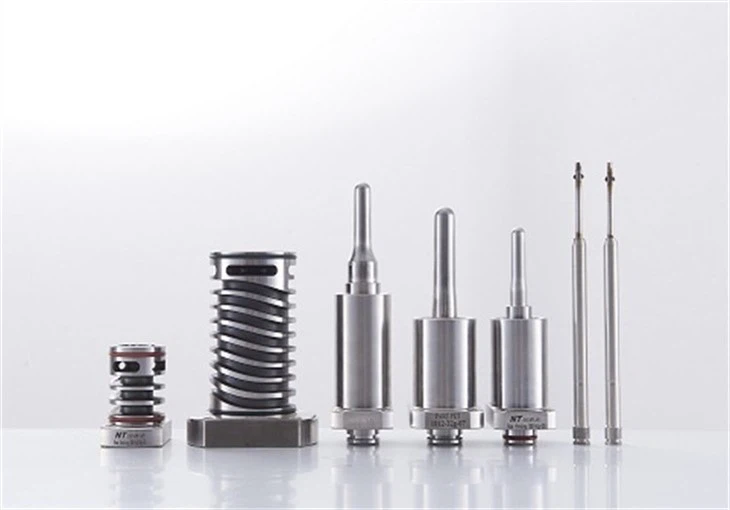
1. Decreased Quality of Preforms
First off, let's talk about the quality of the preforms that your mold is producing. If you start noticing that the preforms are coming out with inconsistent wall thickness, that's a huge red flag. Inconsistent wall thickness can lead to all sorts of problems down the line, like bottles that are weak in some areas and prone to breaking.
Another quality issue is surface defects. You might see things like sink marks, voids, or flash on the preforms. Sink marks are small indentations on the surface of the preform, usually caused by improper cooling or shrinkage. Voids are empty spaces inside the preform, which can weaken the structure. And flash is excess plastic that oozes out of the mold cavity, making the preform look messy and unprofessional.
If you're experiencing these quality issues on a regular basis, it could mean that the mold has worn out. Over time, the mold cavities can get damaged or distorted, leading to these defects in the preforms. And let's face it, in the competitive world of pet preform production, you can't afford to have sub - par products. So, when you see a decline in preform quality, it might be time to consider a new Injection Preform Mold.
2. Increased Cycle Time
Cycle time is another important factor to consider. Cycle time refers to the time it takes for the mold to complete one full production cycle, from the moment the plastic is injected into the mold to the moment the finished preform is ejected. If you notice that your cycle time has been steadily increasing, it could be a sign that the mold is in trouble.
There are a few reasons why the cycle time might increase. One possibility is that the mold's cooling system is not working efficiently. As the mold ages, the cooling channels can get clogged with debris or corrosion, which slows down the cooling process. Since the preform has to be cooled to a certain temperature before it can be ejected, a slower cooling process means a longer cycle time.
Another reason could be that the mold's moving parts, such as the ejector pins or the slides, are not functioning properly. These parts can wear out over time, causing them to move more slowly or get stuck. This can also add extra time to the production cycle.
When your cycle time increases, it not only reduces your production efficiency but also increases your production costs. You're spending more time and energy to produce the same number of preforms. So, if you're dealing with a significant increase in cycle time, it might be worth looking into a new Valve Gate Preform Mold.
3. Frequent Maintenance Requirements
Let's be real, all molds need some maintenance from time to time. But if you find yourself constantly having to perform maintenance on your pet preform mold, it's a sign that something is wrong.
Frequent maintenance can include things like cleaning the mold, replacing worn - out parts, or fixing leaks. While these tasks are normal to some extent, if you're doing them every week or even every day, it's not sustainable. Not only does it take up a lot of your time and resources, but it also disrupts your production schedule.
Moreover, constant maintenance can sometimes be a band - aid solution. You might be able to fix a problem temporarily, but if the underlying issue is that the mold is worn out, the problem will keep coming back. So, if you're tired of dealing with the hassle of frequent maintenance, it might be a good idea to invest in a new Hot Runner Preform Mold.
4. High Scrap Rate
The scrap rate is the percentage of preforms that are rejected during the production process due to defects. A high scrap rate is a major problem for any pet preform manufacturer. It not only means that you're wasting materials and money but also that your production efficiency is low.
If you notice that your scrap rate has been increasing steadily, it could be related to the condition of the mold. As I mentioned earlier, a worn - out mold can produce preforms with all sorts of defects, which are likely to end up as scrap.
A high scrap rate can also have a negative impact on your reputation. Your customers expect high - quality products, and if you're constantly sending them defective preforms, they're not going to be happy. So, when you see a significant increase in the scrap rate, it's a clear sign that you need to take a close look at your mold and consider replacement.
5. Difficulty in Mold Adjustment
When you first start using a new mold, it might take a little bit of time to adjust it to get the perfect preform. But once you've found the right settings, the mold should work smoothly. However, if you're having trouble adjusting the mold to produce consistent preforms, it could be a sign of a problem.
Maybe you're trying to change the injection pressure or the temperature, but you're not getting the desired results. Or perhaps the mold is not aligning properly, causing misaligned preforms. These issues could indicate that the mold has lost its precision over time.
Molds are designed to be precise, and any deviation from the correct specifications can lead to problems. If you're struggling to make the necessary adjustments to your mold, it's likely that the mold has reached the end of its useful life.
Conclusion
So, there you have it, folks! These are the main signs that a pet preform mold needs to be replaced. Decreased quality of preforms, increased cycle time, frequent maintenance requirements, high scrap rate, and difficulty in mold adjustment are all indicators that your mold might be on its last legs.
As a pet preform mold supplier, I understand that investing in a new mold is a big decision. It requires a significant financial commitment. But think about the long - term benefits. A new mold can improve the quality of your preforms, increase your production efficiency, and reduce your production costs. It can also help you maintain a good reputation in the market.
If you're experiencing any of these signs with your current mold, I encourage you to reach out to us. We have a wide range of high - quality pet preform molds, including Injection Preform Mold, Valve Gate Preform Mold, and Hot Runner Preform Mold. Our team of experts can help you find the right mold for your specific needs.
Don't let a worn - out mold hold your business back. Contact us today to start the conversation about upgrading your pet preform mold. Let's work together to take your pet preform production to the next level!
References
- "Plastic Injection Molding Handbook" by O. Olabisi
- Industry reports on pet preform production and mold maintenance.


