

In the dynamic landscape of the packaging industry, preform molds play a pivotal role in shaping the future of product packaging. As a leading preform mold supplier, I've witnessed firsthand the transformative journey of this industry and am excited to share insights into the future development trends of preform molds.
Technological Advancements
One of the most significant trends in the future of preform molds is the integration of advanced technologies. Precision engineering and computer-aided design (CAD) have already revolutionized the mold-making process, allowing for greater accuracy and efficiency. However, the future will see even more sophisticated technologies come into play.
For instance, the use of 3D printing in mold manufacturing is on the rise. This technology enables rapid prototyping and the production of complex geometries that were previously difficult or impossible to achieve. 3D printing also reduces lead times and costs, making it an attractive option for both small and large-scale production.
Another emerging technology is the Internet of Things (IoT). By embedding sensors in preform molds, manufacturers can collect real-time data on temperature, pressure, and other critical parameters. This data can be used to optimize the molding process, improve quality control, and predict maintenance needs. IoT-enabled molds also allow for remote monitoring and control, enabling manufacturers to manage their production processes more efficiently.
Sustainability
Sustainability is a growing concern in the packaging industry, and preform molds are no exception. As consumers become more environmentally conscious, there is a increasing demand for sustainable packaging solutions. This trend is driving the development of preform molds that are designed to use less material, reduce energy consumption, and produce less waste.
One way to achieve this is through the use of lightweighting techniques. By reducing the weight of preforms, manufacturers can use less plastic, which not only reduces material costs but also has a positive impact on the environment. Lightweighting also improves the efficiency of the molding process, as less energy is required to heat and cool the molds.
Another sustainable trend is the use of biodegradable and compostable materials in preform molds. These materials are derived from renewable resources and can break down naturally in the environment, reducing the amount of plastic waste that ends up in landfills and oceans. While the use of biodegradable and compostable materials is still in its early stages, it is expected to become more widespread in the future.
Customization and Personalization
In today's competitive market, consumers are looking for products that are unique and personalized. This trend is driving the demand for preform molds that can produce customized and personalized packaging solutions.
One way to achieve this is through the use of advanced molding techniques, such as multi-shot molding and in-mold labeling. Multi-shot molding allows for the production of preforms with multiple layers or colors, creating a more visually appealing and distinctive packaging solution. In-mold labeling, on the other hand, allows for the application of labels directly onto the preform during the molding process, eliminating the need for additional labeling steps and reducing the risk of label peeling or damage.
Another way to offer customization and personalization is through the use of digital printing technology. Digital printing allows for the production of high-quality, full-color graphics directly onto the preform, enabling manufacturers to create unique and eye-catching packaging designs. Digital printing also offers greater flexibility and shorter lead times compared to traditional printing methods, making it an ideal solution for small-batch and customized production.
Market Expansion
The global market for preform molds is expected to continue to grow in the coming years, driven by factors such as increasing demand for packaged food and beverages, growing consumer awareness of environmental issues, and technological advancements in the mold-making industry.
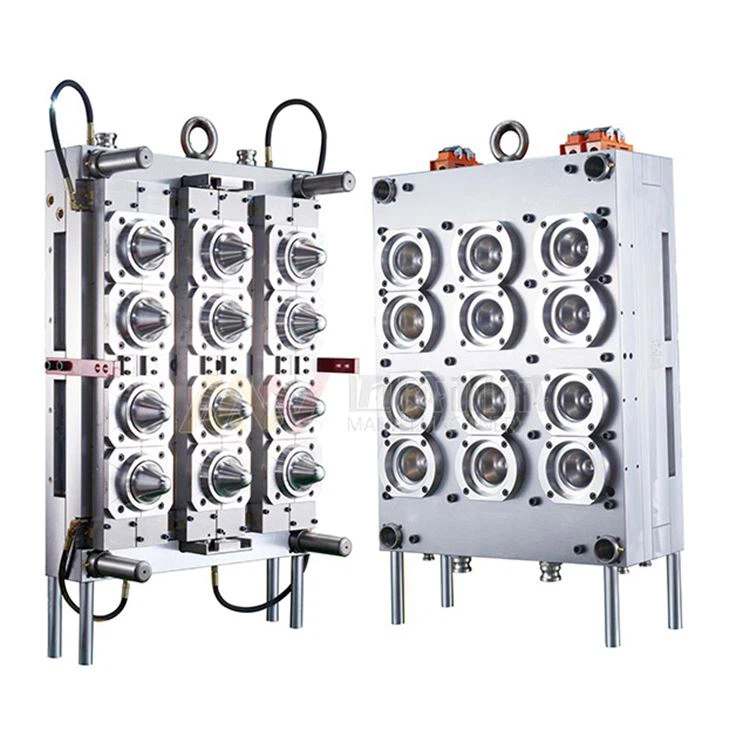
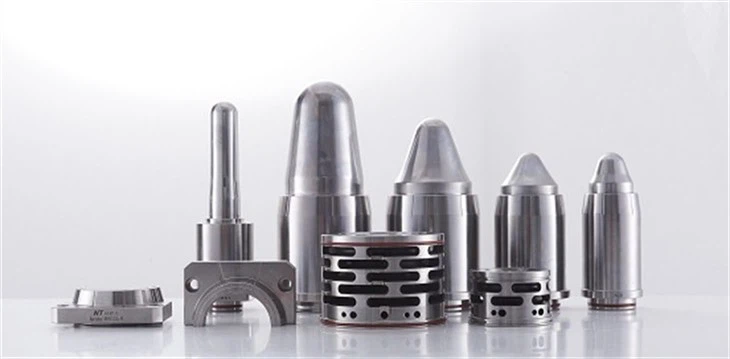
As the market expands, there will be a growing demand for preform molds that are designed to meet the specific needs of different industries and applications. For example, the food and beverage industry requires preform molds that are designed to meet strict hygiene standards and can produce preforms that are suitable for use with a variety of food and beverage products. The pharmaceutical industry, on the other hand, requires preform molds that are designed to produce preforms that are sterile and can protect the integrity of the drugs they contain.
In addition to the traditional markets, there is also a growing demand for preform molds in emerging markets such as Asia, Africa, and Latin America. These markets offer significant growth opportunities for preform mold suppliers, as they are experiencing rapid economic development and increasing consumer demand for packaged products.
Conclusion
The future of preform molds is bright, with exciting opportunities for innovation and growth. Technological advancements, sustainability, customization and personalization, and market expansion are all driving the development of the preform mold industry. As a preform mold supplier, we are committed to staying at the forefront of these trends and providing our customers with the highest quality products and services.
If you are interested in learning more about our preform molds or discussing your specific packaging needs, please [Contact Us]. We would be happy to help you find the right solution for your business.
References
- "The Future of Packaging: Trends and Innovations," Packaging World, [Publication Date]
- "Sustainable Packaging Solutions: A Growing Trend," Plastics Today, [Publication Date]
- "Customization and Personalization in the Packaging Industry," Packaging Digest, [Publication Date]
- "Global Market for Preform Molds: Trends and Forecasts," MarketsandMarkets, [Publication Date]


