

Quality control in the manufacturing of Hot Runner Preform Molds is a complex and multi - faceted process. As a supplier of Hot Runner Preform Mold, I understand the critical role that quality control plays in ensuring the performance, durability, and reliability of these molds.
The Basics of Hot Runner Preform Molds
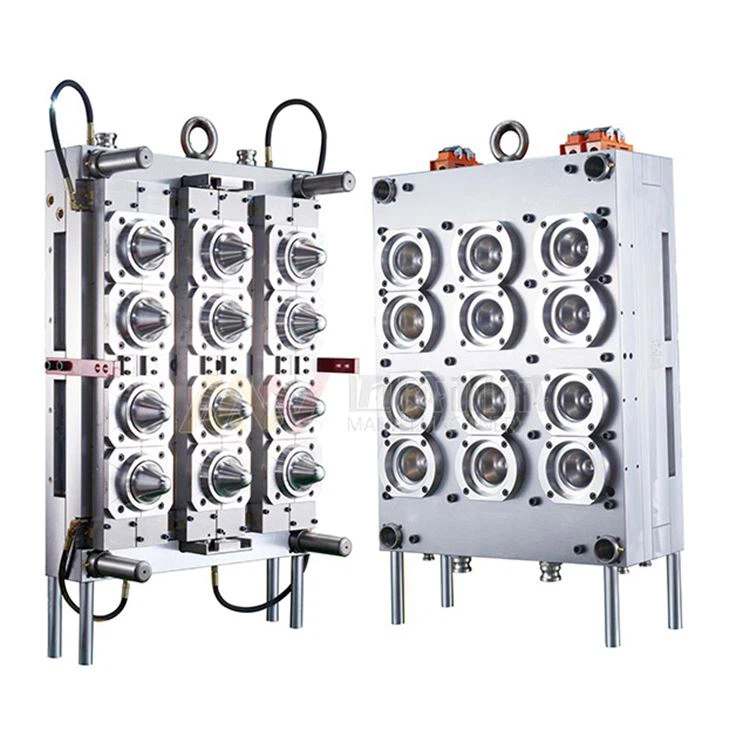
Before delving into quality control, it's essential to understand what a Hot Runner Preform Mold is. A hot runner system in a preform mold is designed to keep the plastic in a molten state as it travels from the injection molding machine to the mold cavity. This allows for more efficient and consistent production of preforms, which are used to make various plastic containers, such as bottles.
The preform molds are precision - engineered tools that must produce preforms with exact dimensions, wall thickness, and surface finish. Any deviation from the specified requirements can lead to defective preforms, which in turn can cause problems during the blow - molding process and result in sub - standard final products.
Key Aspects of Quality Control
Design Phase Quality Control
The quality control process begins at the design phase. A well - designed Hot Runner Preform Mold is the foundation of a successful production process. During this phase, our engineering team uses advanced computer - aided design (CAD) software to create detailed 3D models of the mold. These models are then analyzed using finite element analysis (FEA) to simulate the flow of plastic, temperature distribution, and stress distribution within the mold.
For example, FEA can predict how the plastic will fill the mold cavity, which helps in optimizing the gate location and size. If the gate is not properly designed, it can lead to issues such as flow marks, weld lines, or uneven filling of the preform. By using FEA, we can identify potential problems early and make necessary design adjustments to ensure a high - quality mold.
In addition to FEA, we also conduct a thorough review of the design to ensure that it meets all the customer's requirements. This includes checking the dimensions of the preform, the number of cavities, and the compatibility with the customer's injection molding machine.
Material Selection and Inspection
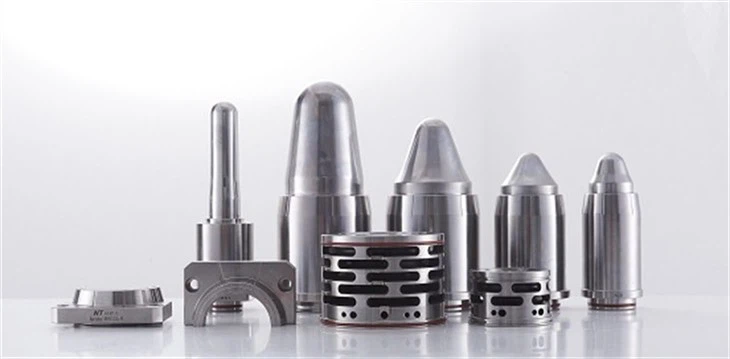
The choice of materials for a Hot Runner Preform Mold is crucial for its performance and durability. We only source high - quality materials from reputable suppliers. The mold base is typically made of high - strength steel, which provides the necessary structural support. The hot runner components, such as nozzles and manifolds, are made of materials that can withstand high temperatures and pressures.
Before using any material, we conduct a comprehensive inspection. This includes checking the material's chemical composition, hardness, and surface finish. We use advanced testing equipment, such as spectrometers and hardness testers, to ensure that the materials meet our strict quality standards. For example, if the hardness of the steel is not within the specified range, it can lead to premature wear and deformation of the mold.
Manufacturing Process Quality Control
The manufacturing process of a Hot Runner Preform Mold involves several machining operations, such as milling, turning, and electrical discharge machining (EDM). At each stage of the manufacturing process, we implement strict quality control measures.
During machining, we use precision machining equipment to ensure that the dimensions of the mold components are within the tolerance limits. We also conduct in - process inspections to check the quality of the machined parts. For example, after milling a cavity, we use coordinate measuring machines (CMMs) to measure the dimensions and check for any surface defects.
The assembly of the mold is another critical step. Our technicians follow a detailed assembly procedure to ensure that all the components are properly installed. During assembly, we check the alignment of the hot runner system, the fit of the mold plates, and the functionality of the cooling channels. Any misalignment or improper fit can lead to problems during the injection molding process, such as leakage of plastic or uneven cooling.
Testing and Validation
Once the mold is assembled, it undergoes a series of tests and validation procedures. The first test is a dry run, where the mold is installed on an injection molding machine without any plastic. This allows us to check the mechanical operation of the mold, such as the opening and closing of the mold, the movement of the ejector pins, and the operation of the hot runner system.
After the dry run, we conduct a trial production run using the customer's specified plastic material. During this run, we monitor the production process closely. We check the quality of the preforms, including their dimensions, weight, and appearance. We also measure the cycle time, which is an important indicator of the mold's efficiency.
If any issues are detected during the trial production run, we analyze the root cause and make the necessary adjustments to the mold. This may involve adjusting the hot runner temperature, changing the gate size, or modifying the cooling system.
Importance of Quality Control for Our Customers
Quality control is not only important for us as a supplier but also for our customers. A high - quality Hot Runner Preform Mold can provide several benefits to our customers.
Firstly, it ensures consistent production of high - quality preforms. This is essential for customers who rely on the preforms to produce their final products. For example, in the beverage industry, the quality of the preforms directly affects the quality of the bottles. A defective preform can lead to leaks, breakages, or an inconsistent appearance of the bottles.
Secondly, a well - designed and well - manufactured mold can improve production efficiency. A mold with a short cycle time and high reliability can increase the output of preforms, which in turn can reduce the production cost per unit.
Finally, a high - quality mold requires less maintenance and has a longer service life. This means that our customers can save on maintenance costs and avoid production downtime due to mold failures.
The Role of Continuous Improvement in Quality Control
Quality control is not a one - time process but an ongoing effort. We are committed to continuous improvement in our quality control processes. We regularly review our quality control procedures to identify areas for improvement.
For example, we may invest in new testing equipment or software to enhance our inspection capabilities. We also encourage our employees to provide feedback on the quality control processes. By involving our employees in the continuous improvement process, we can ensure that our quality control measures are up - to - date and effective.
Encouraging Contact for Procurement
If you are in the market for a Hot Runner Preform Mold or an Injection Preform Mold (Injection Preform Mold), our commitment to quality control ensures that you will receive a mold that meets your highest expectations. We understand that each customer has unique requirements, and we are dedicated to providing customized solutions.
Whether you are a small - scale manufacturer or a large - scale production facility, our team of experts is ready to work with you from the design phase to the final installation of the mold. We offer competitive pricing, excellent customer service, and a guarantee of high - quality products.
If you are interested in learning more about our Hot Runner Preform Molds or would like to discuss your specific requirements, please do not hesitate to contact us. We look forward to the opportunity to work with you and contribute to the success of your business.
References
- "Injection Molding Handbook"by O. John Rudawski
- "Plastic Injection Molding Technology"by Rauwendaal, C.
- Various technical documents from leading injection molding machine and mold component manufacturers.


