

Hey there! As a supplier of Injection Preform Molds, I've seen firsthand how crucial the relationship between mold temperature and product quality is. In this blog, I'll break down this relationship and why it matters for your preform production.
Understanding the Basics of Injection Preform Molds
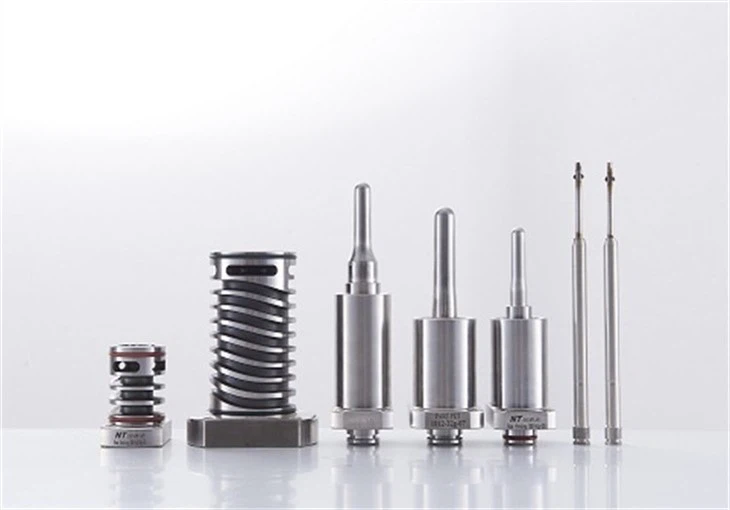
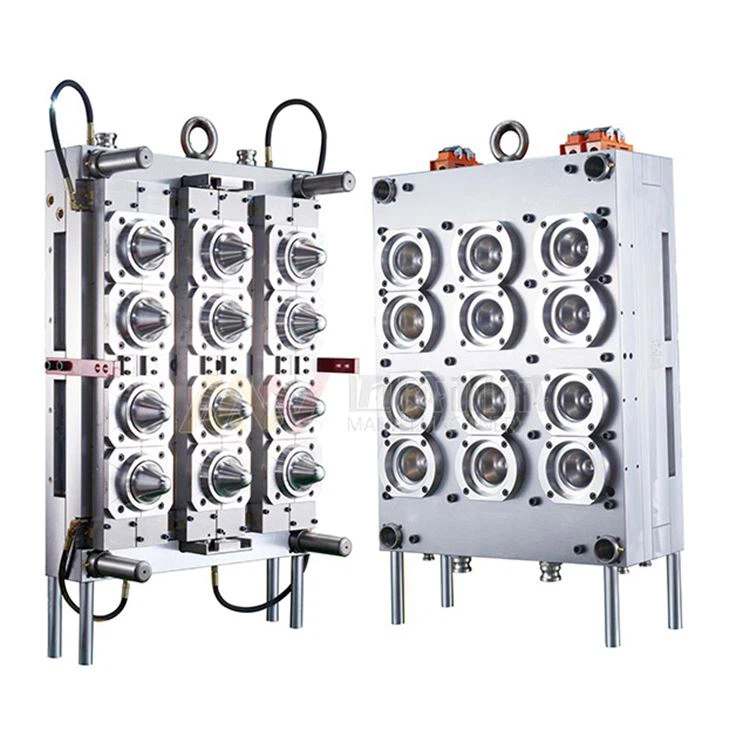
Before we dive into the mold temperature - product quality relationship, let's quickly go over what injection preform molds are. An Injection Preform Mold is used to create preforms, which are small plastic tubes that are later blown into final plastic containers like bottles. These molds come in different types, such as Valve Gate Preform Mold and Wide Mouth Preform Mold, each designed for specific production needs.
How Mold Temperature Affects Product Quality
1. Cooling Rate and Crystallinity
The temperature of the mold has a direct impact on the cooling rate of the plastic inside it. When the plastic cools down, it starts to solidify, and the degree of crystallinity is determined during this process. A lower mold temperature generally leads to a faster cooling rate. This can result in a higher degree of crystallinity in the preform.
For some products, a higher crystallinity can be beneficial as it can improve the mechanical properties of the final product, like its stiffness and barrier properties. However, if the cooling is too fast, it can also cause internal stresses in the preform. These stresses may lead to cracking or warping of the preform, especially during the subsequent blow - molding process.
On the other hand, a higher mold temperature slows down the cooling rate. This allows the plastic molecules more time to arrange themselves in a less - crystalline, more amorphous structure. Amorphous plastics are often more transparent, which can be desirable for products where clarity is important, like beverage bottles. But slower cooling can also increase the cycle time, which means lower production efficiency.
2. Surface Finish
Mold temperature also plays a key role in the surface finish of the preform. When the mold is at an appropriate temperature, the plastic can flow smoothly and fill the mold cavity evenly. This results in a smooth and defect - free surface on the preform.
If the mold temperature is too low, the plastic may not flow well, leading to issues like short - shots (where the plastic doesn't fully fill the mold cavity), flow marks, or a rough surface finish. These surface defects can not only affect the appearance of the final product but also its functionality. For example, a rough surface can make it difficult to label the bottle or can lead to inconsistent blow - molding results.
Conversely, if the mold temperature is too high, the plastic may stick to the mold surface. This can cause problems like flash (excess plastic that forms around the edges of the mold) or even damage to the mold surface over time.
3. Dimensional Accuracy
Dimensional accuracy is crucial for preforms, as they need to fit precisely into the blow - molding machine and form the correct final product shape. Mold temperature affects the shrinkage rate of the plastic.
When the plastic cools, it shrinks. A consistent mold temperature helps to ensure a uniform shrinkage rate across the preform. If the mold temperature varies during the injection process, different parts of the preform may shrink at different rates. This can lead to dimensional variations, such as differences in wall thickness or diameter, which can cause problems during the blow - molding process and result in non - compliant final products.
Controlling Mold Temperature for Optimal Product Quality
So, how do we control the mold temperature to achieve the best product quality? There are several methods:
1. Cooling Channels
Most injection preform molds are equipped with cooling channels. These channels allow a cooling medium, usually water, to flow through the mold. By controlling the temperature and flow rate of the cooling water, we can regulate the mold temperature.
For example, if we want to increase the mold temperature, we can reduce the flow rate of the cooling water or increase its temperature. Conversely, to lower the mold temperature, we can increase the flow rate or decrease the water temperature.
2. Heating Elements
In some cases, especially when dealing with high - viscosity plastics or when a higher mold temperature is required, heating elements can be used. These elements can be embedded in the mold to provide additional heat and maintain a consistent temperature.
3. Temperature Sensors
To ensure accurate control of the mold temperature, temperature sensors are often installed in the mold. These sensors continuously monitor the temperature and send signals to the control system. The control system can then adjust the cooling or heating parameters accordingly to keep the mold temperature within the desired range.
Real - World Implications for Your Business
As a supplier of Injection Preform Molds, I know that getting the mold temperature right is not just about producing high - quality preforms. It also has a significant impact on your bottom line.
1. Production Efficiency
By optimizing the mold temperature, you can reduce the cycle time. A shorter cycle time means you can produce more preforms in a given period, increasing your production capacity. This can help you meet customer demands more quickly and potentially increase your market share.
2. Cost Savings
Proper mold temperature control can also lead to cost savings. For example, by reducing the number of defective preforms, you can save on raw material costs. Additionally, a well - maintained mold temperature can extend the lifespan of the mold, reducing the need for frequent mold replacements.
Conclusion
In conclusion, the relationship between mold temperature and product quality in injection preform molds is complex but extremely important. The right mold temperature can improve the mechanical properties, surface finish, and dimensional accuracy of the preforms. It can also enhance production efficiency and save costs.
If you're in the market for high - quality Injection Preform Molds, Valve Gate Preform Molds, or Wide Mouth Preform Molds, and want to ensure the best product quality through optimal mold temperature control, don't hesitate to reach out. We're here to help you find the perfect solution for your preform production needs.
References
- "Injection Molding Handbook" by O. Olugboji
- "Plastic Materials" by J. A. Brydson


