

The design of the mold plays a pivotal role in determining the performance of a Pp Blow Molding Machine. As a trusted supplier of Pp Blow Molding Machines, I have witnessed firsthand how the nuances of mold design can significantly impact the overall efficiency, quality, and versatility of these machines. In this blog post, I will delve into the various aspects of mold design and explore how they influence the performance of a Pp Blow Molding Machine.
1. Mold Geometry and Product Shape
The geometry of the mold is one of the most critical factors affecting the performance of a Pp Blow Molding Machine. The shape of the mold directly determines the final shape of the blow - molded product. A well - designed mold can ensure uniform wall thickness distribution in the product. For example, if the mold has sharp corners or sudden changes in cross - section, it may lead to uneven stretching of the plastic parison during the blowing process. This uneven stretching can result in thin and weak areas in the final product, reducing its structural integrity and overall quality.
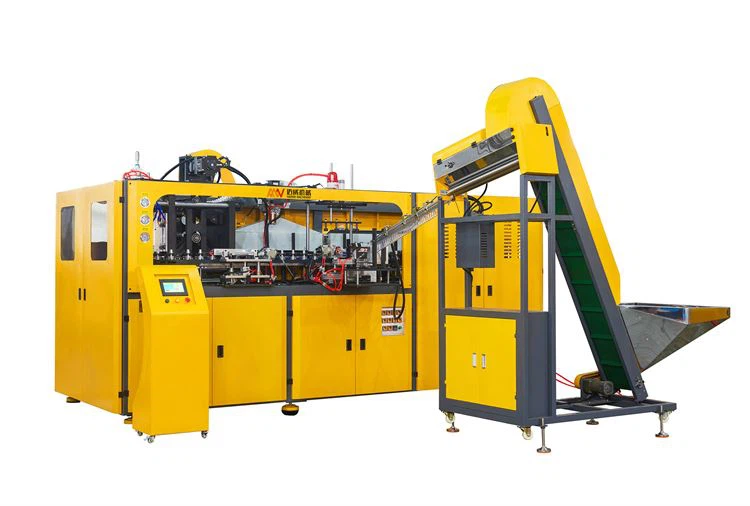
On the other hand, a mold with smooth curves and gradual transitions allows the parison to stretch evenly, resulting in a product with consistent wall thickness. This is especially important for products that need to withstand internal pressure, such as bottles. A Pp Blow Molding Machine equipped with a properly designed mold can produce high - quality bottles with uniform wall thickness, which are less likely to burst or leak. You can find more information about our Pp Blow Molding Machine on our website Pp Blow Molding Machine.
2. Mold Material and Durability
The choice of mold material has a profound impact on the performance and longevity of a Pp Blow Molding Machine. Different materials have different properties, such as hardness, thermal conductivity, and corrosion resistance. For instance, aluminum molds are lightweight and have good thermal conductivity, which allows for faster cooling of the blow - molded product. This can increase the production speed of the machine. However, aluminum molds may not be as durable as steel molds, especially when used for high - volume production or when molding abrasive plastics.
Steel molds, on the other hand, are extremely durable and can withstand high pressures and temperatures. They are suitable for long - term, high - volume production. But they are heavier and have lower thermal conductivity compared to aluminum molds, which may result in longer cooling times. A well - chosen mold material can ensure that the mold maintains its shape and dimensional accuracy over a large number of production cycles. This is crucial for maintaining the quality of the blow - molded products and reducing the frequency of mold replacement, thereby improving the overall performance of the Pp Blow Molding Machine.

3. Cooling System Design
The cooling system of the mold is another crucial aspect that affects the performance of the Pp Blow Molding Machine. Efficient cooling is essential for reducing the cycle time of the blow - molding process. A well - designed cooling system can quickly remove heat from the plastic parison, allowing it to solidify rapidly. This not only increases the production speed but also improves the quality of the final product.
For example, if the cooling is uneven, it can cause warping or shrinkage in the product. The cooling channels in the mold should be carefully designed to ensure uniform heat transfer. They should be placed close to the surface of the mold cavity to maximize the cooling effect. Some advanced molds use a combination of different cooling methods, such as water cooling and air cooling, to achieve optimal cooling performance. A Pp Blow Molding Machine with a mold featuring an efficient cooling system can produce products at a faster rate and with better quality, enhancing its overall productivity.
4. Ejection System Design
The ejection system of the mold is responsible for removing the finished blow - molded product from the mold cavity. A well - designed ejection system is essential for smooth and efficient production. If the ejection system is not properly designed, it can cause damage to the product or even jam the machine.
There are different types of ejection systems, such as mechanical ejection, hydraulic ejection, and pneumatic ejection. The choice of ejection system depends on the shape and size of the product, as well as the production requirements. For example, for products with complex shapes, a hydraulic ejection system may be more suitable as it can provide greater force and control. A reliable ejection system ensures that the products can be removed from the mold quickly and without damage, reducing downtime and improving the overall performance of the Pp Blow Molding Machine.
5. Compatibility with the Machine
The mold must be fully compatible with the Pp Blow Molding Machine. This includes factors such as the size of the mold, the clamping force requirements, and the movement of the machine's components. If the mold is too large or too heavy for the machine, it can put excessive stress on the machine's components, leading to premature wear and tear.
Moreover, the mold should be designed to work seamlessly with the machine's control system. For example, the opening and closing of the mold should be synchronized with the extrusion and blowing processes of the machine. A compatible mold ensures that the Pp Blow Molding Machine can operate at its optimal level, achieving maximum efficiency and productivity.
6. Impact on Product Versatility
A well - designed mold can also enhance the product versatility of a Pp Blow Molding Machine. By using interchangeable molds, the machine can produce a wide range of products with different shapes, sizes, and functions. This is particularly beneficial for manufacturers who need to produce multiple types of products.
For example, a single Pp Blow Molding Machine can be used to produce both small - sized bottles and large - sized containers by simply changing the mold. This not only reduces the need for multiple machines but also increases the flexibility of the production line. Our company offers a variety of molds for different applications, allowing our customers to expand their product range. You can explore our Fully Automatic Blowing Molding Machine which is highly adaptable with different molds.
7. Influence on Energy Efficiency
Mold design can also have an impact on the energy efficiency of a Pp Blow Molding Machine. As mentioned earlier, a mold with good thermal conductivity and an efficient cooling system can reduce the energy consumption of the machine. Faster cooling means less time spent on heating and cooling cycles, which in turn reduces the overall energy required for the production process.
Additionally, a well - designed mold can reduce the power required for the machine's clamping and ejection systems. For example, a mold with a balanced design can require less clamping force, resulting in lower energy consumption. Energy - efficient mold design is not only beneficial for reducing production costs but also for environmental sustainability.
Conclusion
In conclusion, the mold design has a far - reaching influence on the performance of a Pp Blow Molding Machine. From the shape and material of the mold to its cooling, ejection, and compatibility with the machine, every aspect of mold design can affect the efficiency, quality, versatility, and energy efficiency of the machine. As a Pp Blow Molding Machine supplier, we understand the importance of high - quality mold design. We are committed to providing our customers with molds that are optimized for performance, durability, and cost - effectiveness.
If you are interested in purchasing a Pp Blow Molding Machine or need more information about our products and services, we invite you to contact us for a detailed discussion. Our team of experts is ready to assist you in finding the best solutions for your production needs. Whether you are looking for a High Speed Pet Blow Molding Machine or a standard Pp Blow Molding Machine, we have the expertise and resources to meet your requirements.
References
- Beckmann, P. (2018). Blow Molding Technology: Processes, Materials, Machinery. Hanser Publishers.
- Rosato, D. V., & Rosato, D. V. (2004). Blow Molding Handbook. Kluwer Academic Publishers.


