

Choosing the appropriate clamping force for a blow molding machine is a crucial decision that can significantly impact the quality, efficiency, and cost-effectiveness of your production process. As a blow molding machine supplier, I've seen firsthand how getting this right can make or break a manufacturing operation. In this blog, I'll share some insights on how to select the optimal clamping force for your specific needs.
Understanding Clamping Force
Before we dive into the selection process, let's quickly go over what clamping force is. In a blow molding machine, the clamping force is the amount of pressure applied to hold the mold halves together during the blowing process. This force is essential to prevent the mold from opening due to the internal pressure of the blown plastic, ensuring that the product is formed correctly.
Factors Affecting Clamping Force Selection
There are several factors you need to consider when choosing the appropriate clamping force for your blow molding machine. Let's take a closer look at each of them.
Product Size and Shape
The size and shape of the product you're manufacturing play a significant role in determining the required clamping force. Larger products generally require more clamping force because they have a larger surface area that is subjected to the internal blowing pressure. Similarly, products with complex shapes may require higher clamping force to ensure that the mold remains closed and the plastic fills all the cavities properly.
For example, if you're producing large, wide-mouth containers, you'll need a machine with a higher clamping force compared to a machine used for making small, narrow-neck bottles.
Material Type
Different plastic materials have different flow properties and expansion characteristics during the blowing process. Some materials, like high-density polyethylene (HDPE), require more clamping force because they have a higher viscosity and tend to exert more pressure on the mold walls. On the other hand, materials like polypropylene (PP) may require less clamping force.
If you're using a Pp Stretch Blow Molding Machine, you'll need to adjust the clamping force based on the specific grade of PP you're using and the thickness of the final product.
Production Speed
The speed at which you want to produce your products also affects the clamping force requirements. High-speed production typically requires higher clamping force to ensure that the mold closes and opens quickly without any issues. A High Speed Blow Molding Machine needs to be able to handle the rapid cycles and maintain the integrity of the mold.
If you try to run a machine at high speed with insufficient clamping force, you may experience problems such as mold flashing, where the plastic leaks out between the mold halves, or inconsistent product quality.
Mold Design
The design of the mold itself can influence the clamping force needed. Molds with multiple cavities or complex core and cavity configurations may require more clamping force to ensure that all parts of the mold are properly sealed. Additionally, the type of mold release mechanism and the overall rigidity of the mold can also affect the clamping force requirements.
Calculating the Required Clamping Force
While there are no hard and fast rules for calculating the exact clamping force, there are some general guidelines you can follow. One common method is to estimate the clamping force based on the projected area of the product and the pressure exerted during the blowing process.
The formula for calculating the approximate clamping force is:
Clamping Force (in tons) = Projected Area (in square inches) x Pressure (in pounds per square inch) / 2000
The projected area is the area of the product as seen from the direction of the clamping force. The pressure is typically determined by the type of plastic material and the blowing process. For example, for most common plastics, the blowing pressure can range from 100 to 300 pounds per square inch.
Let's say you're producing a PET bottle with a projected area of 20 square inches and you're using a blowing pressure of 200 pounds per square inch. Using the formula above, the approximate clamping force required would be:
Clamping Force = 20 x 200 / 2000 = 2 tons
However, it's important to note that this is just a rough estimate, and you may need to adjust the clamping force based on the other factors mentioned earlier.
Testing and Optimization
Once you've selected a machine with an estimated clamping force, it's a good idea to conduct some test runs to ensure that the force is appropriate. Start with a lower clamping force and gradually increase it until you achieve the desired product quality.
During the testing phase, pay close attention to the following:

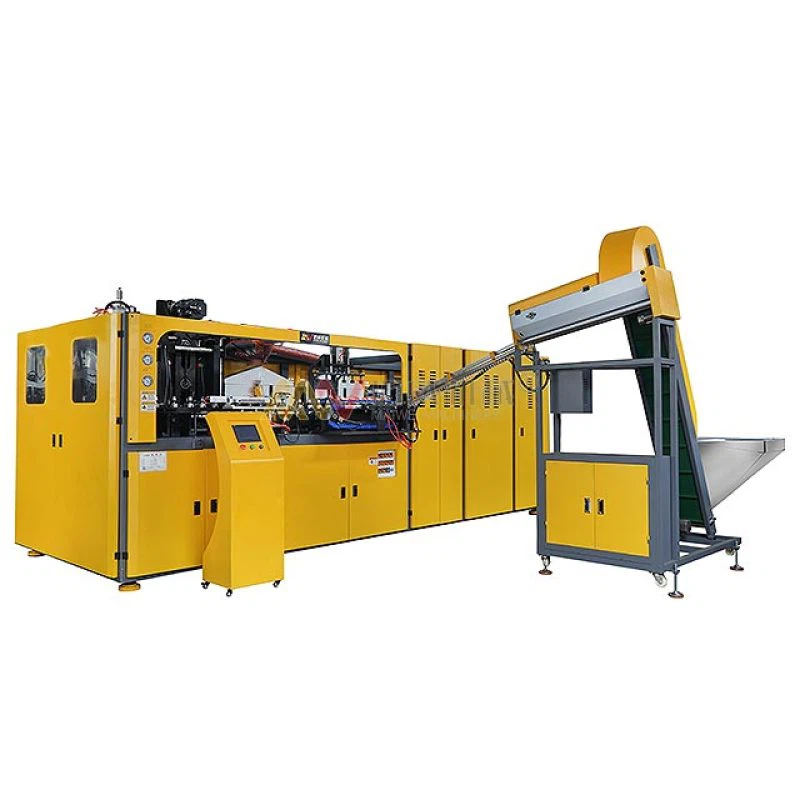
- Product Quality: Check for any signs of mold flashing, uneven wall thickness, or other defects. If you notice any issues, it may be a sign that the clamping force is too low or too high.
- Mold Wear: Excessive clamping force can cause premature wear on the mold, leading to increased maintenance costs. Monitor the mold for any signs of damage or excessive wear.
- Energy Consumption: Higher clamping force generally requires more energy to operate the machine. Make sure you're not using more force than necessary to avoid unnecessary energy costs.
Conclusion
Choosing the appropriate clamping force for a blow molding machine is a complex decision that requires careful consideration of several factors. By understanding the relationship between product size, material type, production speed, and mold design, you can select a machine with the right clamping force to meet your production needs.
If you're in the market for a blow molding machine and need help choosing the appropriate clamping force, don't hesitate to reach out. As a blow molding machine supplier, we have the expertise and experience to assist you in making the right decision. Whether you're looking for a Pet Bottle Blow Molding Machine or a high-speed machine for large-scale production, we can provide you with the information and support you need.
Contact us today to discuss your requirements and start the process of finding the perfect blow molding machine for your business.
References
- Blow Molding Handbook, Second Edition by George Gogos and John B. Malloy
- Plastic Blow Molding: Science and Technology by Vincent A. Utracki


