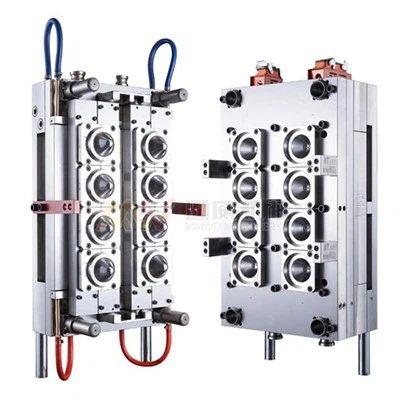
As a preform mould supplier, I often get asked about the chemical resistance of preform moulds. This is a crucial aspect, especially considering the wide range of applications where these moulds are used. In this blog, I'll delve into what chemical resistance means for preform moulds, factors affecting it, and its importance in the industry.
Understanding Chemical Resistance of Preform Moulds
Chemical resistance refers to the ability of a preform mould to withstand the effects of various chemicals without significant degradation. When a preform mould is in use, it may come into contact with different substances, such as plastics, additives, cleaning agents, and even environmental chemicals. These chemicals can potentially react with the mould material, leading to corrosion, swelling, or other forms of damage.
For example, in the production of plastic preforms, the mould is exposed to molten plastic. Different types of plastics have different chemical compositions. Some plastics may contain additives like stabilizers, plasticizers, or flame - retardants. These additives can interact with the mould surface over time. If the mould does not have good chemical resistance, the plastic and its additives may cause the mould to lose its smooth finish, which can affect the quality of the preforms produced.
Factors Affecting Chemical Resistance
Material of the Mould
The choice of material for the preform mould is one of the most significant factors influencing its chemical resistance. Common materials used for preform moulds include stainless steel, tool steel, and aluminum.
Stainless steel is a popular choice due to its excellent corrosion resistance. It contains chromium, which forms a passive oxide layer on the surface. This layer protects the steel from further oxidation and corrosion when exposed to many chemicals. For instance, in applications where the mould may come into contact with acidic cleaning agents, stainless steel can maintain its integrity better than other materials.
Tool steel, on the other hand, is known for its high strength and wear resistance. However, its chemical resistance may vary depending on its alloy composition. Some tool steels may be more susceptible to corrosion in certain chemical environments.
Aluminum is lightweight and has good thermal conductivity. But it is less chemically resistant compared to stainless steel. Aluminum can react with alkaline substances, leading to corrosion. So, in environments where the mould may be exposed to alkaline cleaning solutions or certain plastics with alkaline additives, aluminum may not be the best choice.
Surface Treatment
Surface treatments can significantly enhance the chemical resistance of preform moulds. One common surface treatment is nitriding. Nitriding involves introducing nitrogen into the surface layer of the mould material. This creates a hard, wear - resistant, and chemically resistant layer. The nitrided layer can protect the underlying material from chemical attack.
Another surface treatment is plating. For example, chrome plating can provide a smooth, hard, and chemically resistant surface. Chrome is highly resistant to many chemicals, including acids and alkalis. It also reduces friction between the mould and the plastic, which can improve the release of the preforms.
Chemical Environment
The nature of the chemicals the mould is exposed to plays a vital role. The pH of the chemicals, their concentration, and the temperature at which the contact occurs all matter.
Acidic chemicals can corrode many metals. For example, sulfuric acid, which is commonly used in some industrial cleaning processes, can react with the metal in the mould, causing pitting and corrosion. Alkaline chemicals, such as sodium hydroxide, can also be corrosive to certain materials, especially aluminum.

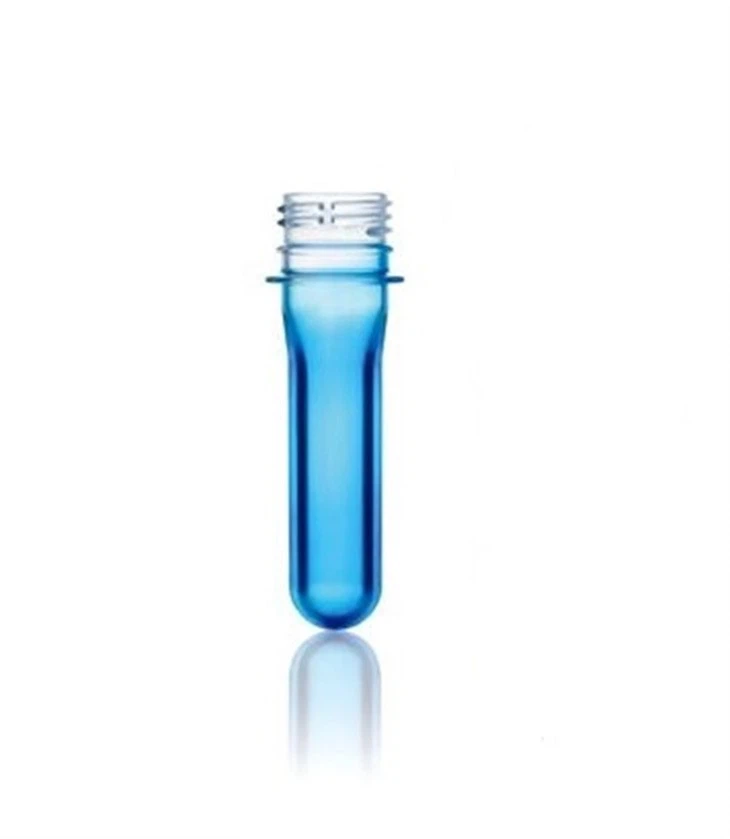
The concentration of the chemicals is also important. A highly concentrated chemical solution is more likely to cause damage to the mould compared to a dilute solution. Additionally, higher temperatures can accelerate chemical reactions. So, if the mould is exposed to chemicals at elevated temperatures, the rate of corrosion or degradation may increase.
Importance of Chemical Resistance in the Preform Mould Industry
Quality of Preforms
Good chemical resistance ensures the quality of the preforms produced. A mould with poor chemical resistance may develop surface defects over time. These defects can be transferred to the preforms, resulting in products with poor appearance, dimensional inaccuracies, or reduced mechanical properties. For example, if the mould surface corrodes, the preforms may have rough spots or uneven walls, which can affect their performance in subsequent processes, such as blow - molding.
Longevity of the Mould
A preform mould is a significant investment. Chemical resistance directly impacts the longevity of the mould. A mould that can withstand chemical attack will have a longer service life. This reduces the need for frequent replacement, which can save costs for manufacturers. For example, a stainless - steel mould with proper surface treatment can last for many production cycles, even when exposed to various chemicals during the manufacturing process.
Cost - effectiveness
In the long run, using preform moulds with high chemical resistance is cost - effective. Although moulds made of materials with better chemical resistance or those with advanced surface treatments may have a higher initial cost, they can save money in terms of reduced maintenance, fewer replacements, and higher - quality production. For example, a chrome - plated mould may cost more upfront, but it can reduce the frequency of mould cleaning and repair, as well as the number of defective preforms produced.
Applications and the Need for Chemical Resistance
Beverage Industry
In the beverage industry, preform moulds are used to produce plastic bottles for various beverages, including water, soda, and juice. The moulds may come into contact with the plastic resin used to make the bottles, as well as cleaning agents used to sanitize the moulds. Some cleaning agents may be acidic or alkaline. A mould with good chemical resistance is essential to ensure the production of high - quality, hygienic preforms.
Food Packaging Industry
For food packaging, preform moulds are used to create containers for food products. The moulds need to be chemically resistant to prevent any contamination of the food. The plastics used in food packaging may contain additives to improve their properties, such as oxygen barrier properties. The mould must be able to withstand the interaction with these plastics and additives without leaching any harmful substances into the food.
Conclusion
In conclusion, the chemical resistance of preform moulds is a critical factor that affects the quality of preforms, the longevity of the moulds, and the overall cost - effectiveness of the production process. As a preform mould supplier, we understand the importance of providing moulds with high chemical resistance. We offer a range of Valve Gate Preform Mold and Injection Preform Mold options, made from high - quality materials and with advanced surface treatments to ensure excellent chemical resistance.
If you are in the market for preform moulds and are concerned about chemical resistance, we encourage you to reach out to us. Our team of experts can provide you with detailed information about our products and help you choose the right mould for your specific application. You can also explore our Valve Gate Preform Mold product line to see the options available. Contact us today to start a procurement discussion and find the best preform mould solution for your needs.
References
- ASM Handbook, Volume 13A: Corrosion: Fundamentals, Testing, and Protection. ASM International.
- Metals Handbook Desk Edition, 3rd Edition. ASM International.
- Plastics Engineering Handbook of the Society of Plastics Engineers. Carl Hanser Verlag.