

Selecting the appropriate hot runner for an injection preform mold is a critical decision that can significantly impact the efficiency, quality, and cost - effectiveness of the injection molding process. As an Injection Preform Mold supplier, I understand the challenges and intricacies involved in this selection. In this blog, I will share some key factors to consider when choosing a hot runner for your injection preform mold.
Understanding the Basics of Hot Runners
Before delving into the selection process, it's essential to have a basic understanding of hot runners. A hot runner system is a crucial component in injection molding that maintains the plastic melt in a molten state as it travels from the injection molding machine nozzle to the mold cavity. This helps to eliminate the need for cold runners, which can reduce material waste, cycle times, and improve part quality.
Hot runners come in different types, including open nozzles, valve - gated nozzles, and thermal gate nozzles. Each type has its own advantages and disadvantages, and the choice depends on various factors such as the type of plastic, part geometry, and production requirements.
Factors to Consider When Choosing a Hot Runner
1. Plastic Material
The type of plastic material used in the injection molding process is one of the most important factors to consider when choosing a hot runner. Different plastics have different melt flow characteristics, viscosity, and temperature sensitivities. For example, materials like polycarbonate and polypropylene have different requirements compared to PET.
PET, which is commonly used in preform molding for beverage bottles, has a relatively narrow processing window. It requires a hot runner system that can maintain a consistent temperature to prevent degradation. A well - designed hot runner for PET Preform Die should be able to provide uniform heat distribution and precise temperature control.
2. Part Geometry and Size
The geometry and size of the preform also play a significant role in hot runner selection. Complex part geometries may require a hot runner system with multiple nozzles or a more sophisticated gating system. For instance, if the preform has thin walls or intricate features, a valve - gated hot runner may be more suitable as it allows for better control of the melt flow and gate location.
The size of the preform affects the flow rate and pressure requirements. Larger preforms typically require higher flow rates and pressures, which means the hot runner system should be capable of handling these demands. A hot runner with larger diameter channels and nozzles may be necessary for larger preforms to ensure proper filling of the mold cavity.
3. Production Volume
The expected production volume is another crucial factor. High - volume production requires a hot runner system that is reliable, durable, and has a long service life. A well - built hot runner can withstand the high - frequency cycling associated with large - scale production without significant wear and tear.
For low - volume production or prototyping, a more cost - effective hot runner solution may be preferred. In such cases, a simpler hot runner design or a system with fewer nozzles may be sufficient. However, it's important to ensure that the chosen hot runner still meets the quality requirements of the preforms.
4. Gate Type
The gate is the point where the plastic melt enters the mold cavity. Different gate types have different effects on the part quality and production process. There are several types of gates used in hot runner systems, including open gates, valve gates, and thermal gates.
Open gates are the simplest and most cost - effective option. They are suitable for applications where gate vestige is not a major concern. Valve gates, on the other hand, offer better control over the gate opening and closing, which can result in better part appearance and reduced gate vestige. They are often used in high - quality Injection Preform Mold applications. Thermal gates are a compromise between open and valve gates, providing some control over the gate while being relatively simple and cost - effective.
5. Temperature Control
Precise temperature control is essential for a successful hot runner system. Temperature variations can lead to issues such as uneven filling, part warpage, and material degradation. A good hot runner system should have a reliable heating and cooling mechanism to maintain a consistent temperature throughout the system.
Some hot runner systems use cartridge heaters or band heaters to provide heat, while others may incorporate liquid cooling channels to control the temperature. The temperature control system should be able to adjust the temperature quickly in response to changes in the production process or environmental conditions.
6. Compatibility with the Injection Molding Machine
The hot runner system must be compatible with the injection molding machine. This includes considerations such as the nozzle size, connection type, and pressure requirements. The hot runner should be able to interface smoothly with the machine's nozzle to ensure a proper seal and efficient transfer of the plastic melt.
It's also important to consider the machine's clamping force and injection capacity. The hot runner system should not overload the machine or cause any compatibility issues that could affect the overall performance of the injection molding process.
Evaluating Hot Runner Suppliers
Once you have identified the key factors for your hot runner selection, it's time to evaluate different hot runner suppliers. A reliable supplier is crucial for ensuring the quality and performance of the hot runner system.
Look for suppliers with a good reputation in the industry. Check their experience in providing hot runner systems for injection preform molds. A supplier with a long - standing history in the field is more likely to have the knowledge and expertise to meet your specific requirements.
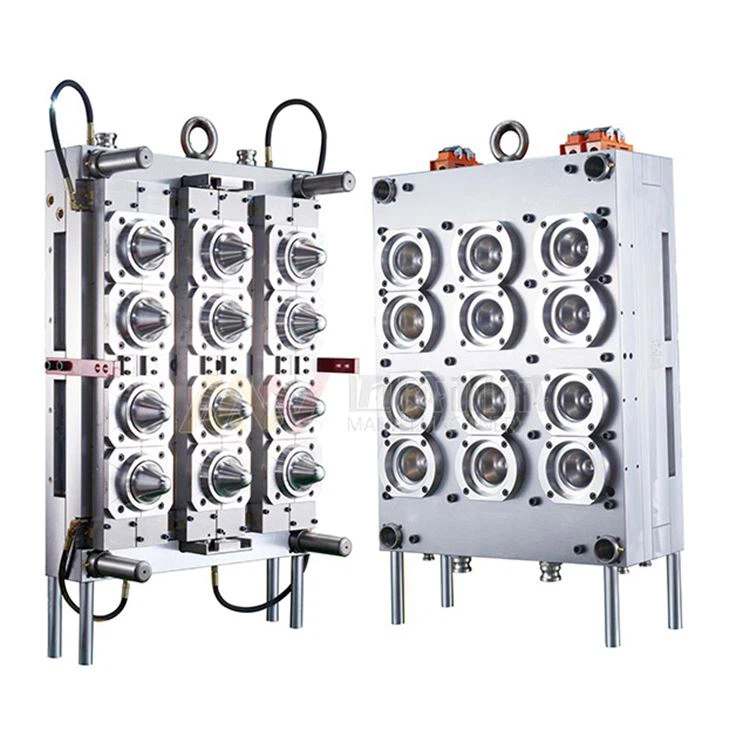

Ask for references and case studies from the supplier. This will give you an idea of their track record in delivering successful hot runner solutions. You can also visit their manufacturing facilities if possible to assess their production capabilities and quality control processes.
Cost Considerations
Cost is always a factor in any purchasing decision. However, it's important not to compromise on quality for the sake of cost savings. A cheaper hot runner system may end up costing more in the long run due to higher maintenance costs, lower productivity, and poor part quality.
When comparing costs, consider the total cost of ownership, which includes the initial purchase price, installation costs, maintenance costs, and energy consumption. A high - quality hot runner system may have a higher upfront cost but can result in significant savings over its lifespan.
Conclusion
Choosing the appropriate hot runner for an injection preform mold is a complex but crucial decision. By considering factors such as plastic material, part geometry, production volume, gate type, temperature control, and compatibility with the injection molding machine, you can make an informed choice.
As an Injection Preform Mold supplier, I am committed to helping our customers select the right hot runner system for their specific needs. If you are in the process of choosing a hot runner for your Pet Preform Mould, I encourage you to reach out to us for professional advice and guidance. Our team of experts can assist you in evaluating your requirements and selecting the most suitable hot runner solution. Contact us today to start a discussion about your injection preform mold and hot runner needs.
References
- "Injection Molding Handbook" by O. Olszewski
- "Plastics Processing: Modeling and Simulation" by B. A. Griffith
- Industry reports on injection molding technology and hot runner systems


