

Hey there! As a supplier of Pet Preform Mould, I've seen firsthand how crucial an effective venting system is for these molds. In this blog, I'm gonna share some tips on how to design one that works like a charm.
Why Venting Systems Matter in Pet Preform Molds
First off, let's talk about why we even need a venting system in a pet preform mold. When the molten plastic is injected into the mold cavity, it displaces the air inside. If there's no proper way for this air to escape, it can get trapped. This trapped air can cause all sorts of problems, like burn marks on the preform, poor surface finish, and even incomplete filling of the mold. That's where a good venting system comes in – it allows the air to escape smoothly, ensuring a high - quality preform every time.
Understanding the Basics of Venting
Before we dive into the design process, it's important to understand a few basic concepts. There are two main types of venting: external and internal. External venting involves creating channels or gaps on the outside of the mold to let air out. Internal venting, on the other hand, uses small holes or grooves inside the mold cavity to release the air.
Factors to Consider in Designing a Venting System
Mold Geometry
The shape and size of the pet preform mold play a huge role in determining the venting system. For example, if you have a complex mold with lots of curves and corners, the air might get trapped more easily. In such cases, you'll need a more elaborate venting system. A simple, straight - walled mold, on the other hand, might require a less complex setup.
Let's say you're dealing with a Jar Preform Mold. These molds often have a cylindrical shape with a certain height and diameter. The venting should be designed in a way that air can escape from the bottom and the sides of the cavity. You might want to use a combination of external and internal venting. External vents can be placed around the perimeter of the mold, while internal vents can be drilled at strategic points inside the cavity.
Plastic Material
Different plastic materials have different flow characteristics. Some plastics flow more easily than others, and this affects how the air is displaced during the injection process. For instance, a high - viscosity plastic might push the air out more slowly, so you'll need larger vents or more of them. A low - viscosity plastic, on the other hand, can displace air more quickly, but it might also be more likely to seep into the vents if they're too large.
Injection Speed and Pressure
The speed and pressure at which the plastic is injected into the mold also impact the venting design. Higher injection speeds and pressures can force the air out faster, but they can also increase the risk of plastic flashing through the vents. You need to find a balance between allowing the air to escape and preventing the plastic from leaking.
Design Steps for an Effective Venting System
Step 1: Analyze the Mold
Start by taking a close look at the pet preform mold. Identify the areas where air is most likely to get trapped. These are usually the corners, deep recesses, and areas with sudden changes in shape. Make a note of these areas, as they'll be the focus of your venting design.
Step 2: Choose the Venting Method
Based on your analysis, decide whether you'll use external, internal, or a combination of both venting methods. For a Preform Die, which is often used in high - volume production, a well - designed internal venting system can be very effective. Internal vents can be precisely placed to target the areas where air is trapped, without adding too much complexity to the outside of the mold.
Step 3: Determine Vent Size and Spacing
The size and spacing of the vents are critical. If the vents are too small, the air won't be able to escape quickly enough. If they're too large, the plastic might leak out. As a general rule, the vent width should be between 0.002 and 0.005 inches for most pet preform molds. The spacing between vents depends on the size and shape of the mold, but a good starting point is to space them about 0.5 to 1 inch apart.
Step 4: Create a Prototype
Once you've designed the venting system, it's a good idea to create a prototype. This will allow you to test the system and make any necessary adjustments. You can use 3D printing or other rapid prototyping techniques to quickly create a mold with the proposed venting system. Inject some plastic into the prototype and see how the air escapes. Look for any signs of trapped air, such as burn marks or incomplete filling.
Step 5: Optimize the Design
Based on the results of the prototype testing, optimize the venting design. You might need to adjust the size, shape, or spacing of the vents. You could also try changing the venting method if the initial design isn't working well. Keep testing and tweaking until you get a venting system that works flawlessly.
Maintenance of the Venting System
An effective venting system also requires proper maintenance. Over time, the vents can get clogged with plastic residue or other debris. This can reduce the efficiency of the venting system and lead to quality issues with the preforms. Regularly clean the vents using appropriate tools, such as small brushes or compressed air. Inspect the vents for any signs of damage or wear and replace them if necessary.

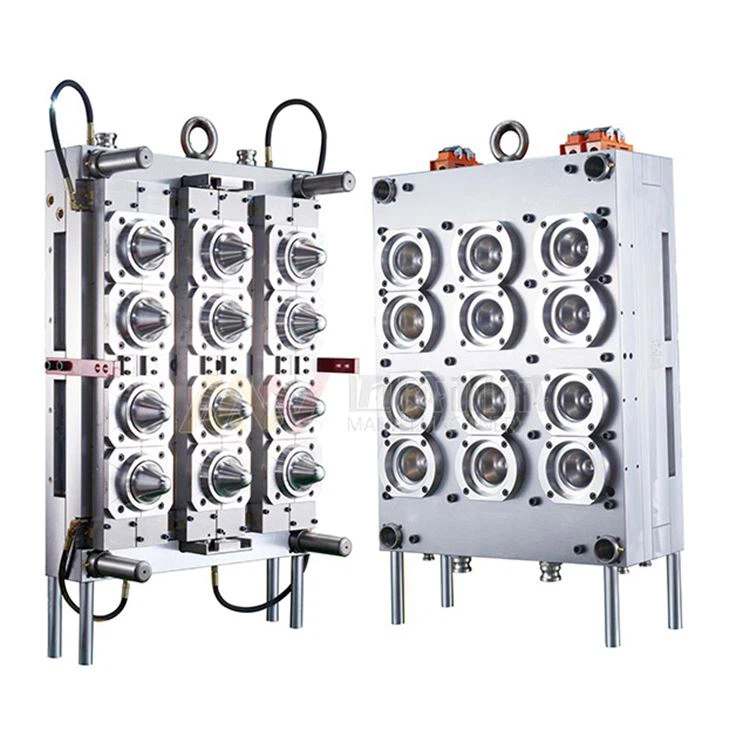
Special Considerations for Wide Mouth Preform Mold
Wide mouth preform molds have their own unique challenges when it comes to venting. The larger opening means there's more surface area for air to escape from, but it also means there's a greater risk of plastic flashing through the vents. In these cases, you might want to use a combination of fine - mesh screens and small vents. The mesh screens can prevent the plastic from leaking out while still allowing the air to pass through.
Conclusion
Designing an effective venting system for a pet preform mold is a combination of science and art. It requires a good understanding of the mold geometry, plastic material, and injection process. By following the steps outlined in this blog, you can create a venting system that ensures high - quality preforms and reduces production issues.
If you're in the market for a pet preform mold or need help with venting system design, don't hesitate to reach out. We're here to assist you in getting the best solution for your production needs. Let's start a conversation and see how we can work together to improve your manufacturing process.
References
- Injection Molding Handbook by O. O. Olajide
- Plastic Injection Molding Technology by Paul F. Hornbeck


