

As a supplier of Pet Preform Mould, I've witnessed firsthand the critical role these molds play in the pet preform manufacturing industry. Efficiency is the name of the game in this fast - paced business. Here, I'll share some practical ways to enhance the efficiency of a pet preform mould, drawn from my years of experience in the field.
1. Regular Maintenance and Inspection
One of the most fundamental steps in improving the efficiency of a pet preform mould is regular maintenance and inspection. A well - maintained mould not only operates more smoothly but also has a longer lifespan.
Firstly, establish a strict cleaning routine. After each production cycle, clean the mould thoroughly to remove any residual plastic, dust, or other contaminants. Use appropriate cleaning agents that won't damage the mould surface. For example, a mild solvent can be used to dissolve stubborn plastic residues.
Secondly, conduct regular inspections for wear and tear. Check the core pins, cavities, and hot runner systems for any signs of damage, such as scratches, dents, or corrosion. If any issues are detected, address them promptly. Replace worn - out parts to ensure the mould can continue to produce high - quality preforms. A damaged core pin, for instance, can lead to uneven wall thickness in the preforms, which not only affects the quality but also slows down the production process as defective products need to be removed.
2. Optimize the Mould Design
The design of the pet preform mould is crucial for its efficiency. An optimized design can reduce cycle times, improve product quality, and lower production costs.
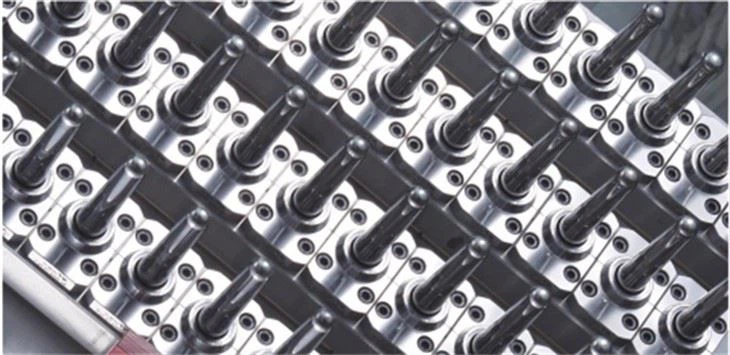
When it comes to the cavity layout, consider the number of cavities and their arrangement. A higher number of cavities can increase the production output per cycle. However, it's important to ensure that the plastic flow is evenly distributed among all the cavities. Uneven flow can result in inconsistent preform quality. Computer - aided design (CAD) and simulation software can be used to analyze the plastic flow and optimize the cavity layout.
The cooling system design is another key aspect. Efficient cooling can significantly reduce the cycle time. The cooling channels should be properly designed to ensure uniform cooling of the preforms. For example, using a baffle or spiral cooling channel design can enhance the cooling efficiency. This helps to solidify the plastic faster, allowing the preforms to be ejected from the mould more quickly.
3. Upgrade to Advanced Hot Runner Systems
Investing in advanced hot runner systems can greatly improve the efficiency of a pet preform mould. Hot runner systems keep the plastic in a molten state from the injection unit to the cavities, eliminating the need for cold runners.
The Hot Runner Preform Mold technology offers several advantages. Firstly, it reduces material waste. Since there are no cold runners, there is no need to recycle or discard the solidified runner plastic. This not only saves material costs but also reduces the time and energy spent on runner handling.
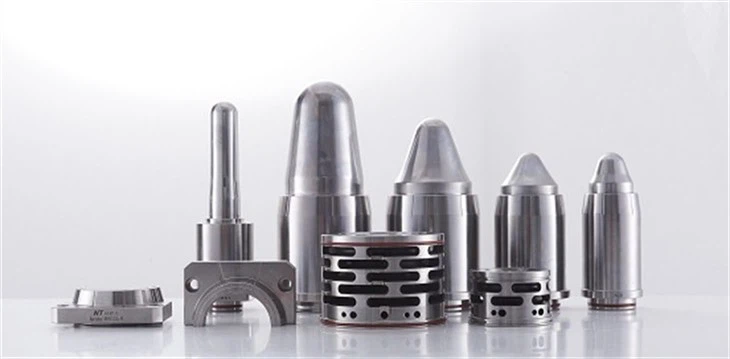
Secondly, hot runner systems can improve the quality of the preforms. They provide a more consistent plastic flow, resulting in better - formed preforms with fewer defects. The precise temperature control in hot runner systems ensures that the plastic remains at the optimal viscosity for injection, which is essential for producing high - quality preforms.
4. Train Your Operators
Well - trained operators are essential for the efficient operation of a pet preform mould. They should have a deep understanding of the mould's working principles, operating procedures, and troubleshooting techniques.
Provide comprehensive training programs for your operators. Include theoretical knowledge, such as the plastic injection process, mould design, and hot runner system operation. Also, offer hands - on training so that operators can gain practical experience in operating the mould.
Operators should be trained to detect and solve common problems quickly. For example, they should know how to adjust the injection pressure, temperature, and cycle time to optimize the production process. By having skilled operators, you can minimize downtime caused by operator errors and ensure that the mould operates at its maximum efficiency.

5. Use High - Quality Materials
The choice of materials for the pet preform mould can have a significant impact on its efficiency. High - quality materials can withstand the high pressures and temperatures during the injection process, reducing the risk of mould damage and prolonging its lifespan.
For the mould base, choose materials with high strength and good heat - resistance, such as alloy steel. The core pins and cavities should be made of materials that are resistant to wear and corrosion, like hardened steel or stainless steel. Using high - quality materials not only improves the durability of the mould but also ensures the production of high - quality preforms.
6. Implement Process Monitoring and Control
Implementing a process monitoring and control system can help you keep track of the mould's performance and make real - time adjustments. Sensors can be installed in the mould to monitor parameters such as temperature, pressure, and cycle time.
By analyzing the data collected from these sensors, you can identify any deviations from the optimal operating conditions. For example, if the temperature in a particular cavity is too high, it may indicate a problem with the cooling system. You can then take corrective actions immediately, such as adjusting the cooling water flow rate.
This real - time monitoring and control can help you prevent quality issues and improve the overall efficiency of the mould. It also allows you to collect data for long - term analysis, which can be used to further optimize the production process.
7. Collaborate with a Professional Supplier
As a Pet Preform Mould supplier, I understand the importance of collaboration. Working with a professional supplier can provide you with access to the latest technologies, expertise, and support.
A professional supplier can offer customized mould solutions based on your specific requirements. They can help you design and manufacture a mould that is optimized for your production process. Additionally, they can provide after - sales service, including maintenance, repair, and parts replacement.
When choosing a supplier, look for one with a good reputation, extensive experience, and a commitment to quality. A reliable supplier will work closely with you to ensure that your mould meets your expectations and operates efficiently.
8. Optimize the Injection Molding Machine
The injection molding machine that works in conjunction with the pet preform mould also plays a crucial role in efficiency. Ensure that the machine is properly calibrated and maintained.
The injection pressure, speed, and temperature settings should be optimized for the specific mould and plastic material. A well - calibrated machine can ensure a consistent and accurate injection process, which is essential for producing high - quality preforms.
Regularly service the injection molding machine to keep it in good working condition. Check the hydraulic system, screw, and barrel for any signs of wear or damage. Replace any worn - out parts promptly to prevent breakdowns and ensure continuous production.
Conclusion
Improving the efficiency of a pet preform mould is a multi - faceted process that involves regular maintenance, optimized design, advanced technology adoption, operator training, and more. By implementing these strategies, you can increase the production output, improve the quality of the preforms, and reduce costs.
As a trusted Pet Preform Mould and Injection Preform Mold supplier, we are dedicated to helping our customers achieve maximum efficiency in their pet preform production. If you are interested in learning more about our products or need professional advice on improving mould efficiency, please feel free to contact us for procurement and further discussions.
References
- Throne, J. L. (1996). Plastics Injection Molding: Theory and Practice. Marcel Dekker.
- Rosato, D. V., & Rosato, D. V. (2000). Injection Molding Handbook. Kluwer Academic Publishers.
- Beaumont, J. P. (2007). Injection Molding Troubleshooting: A Practical Guide. Hanser Gardner Publications.


