

Hey there! As a supplier of Jar Preform Molds, I've seen firsthand how important it is to lubricate these molds properly. Lubrication isn't just a little extra step; it's a crucial part of maintaining the performance and longevity of your Jar Preform Molds. In this blog, I'll share some tips on how to do it right.
Why Lubrication Matters
Before we dive into the how - to, let's talk about why lubricating your Jar Preform Molds is such a big deal. First off, it reduces friction. When the mold parts move against each other during the injection and ejection processes, friction can cause wear and tear. Over time, this can lead to parts wearing out faster, which means more frequent replacements and higher costs.
Secondly, proper lubrication helps with heat dissipation. The injection molding process generates a lot of heat, and if this heat isn't managed well, it can damage the mold. A good lubricant acts as a heat transfer medium, helping to keep the mold at an optimal temperature.
Lastly, it improves the quality of the preforms. When the mold is well - lubricated, the preforms are more likely to be ejected smoothly without any sticking or deformation. This results in higher - quality products and fewer rejects.
Choosing the Right Lubricant
The first step in proper lubrication is choosing the right lubricant. There are several types of lubricants available on the market, and each has its own set of properties.
Silicone - based lubricants are a popular choice. They offer excellent heat resistance and can withstand the high temperatures involved in the injection molding process. They also provide good anti - sticking properties, which is great for ensuring smooth ejection of the preforms. You can find these lubricants in spray or grease forms.
Graphite - based lubricants are another option. They are known for their high - load - carrying capacity and can handle the pressures exerted during the molding process. Graphite lubricants are often used in applications where there is a lot of sliding contact between mold parts.
When choosing a lubricant, make sure it is compatible with the materials used in your Jar Preform Mold. Some lubricants may react with certain metals or plastics, causing damage to the mold. It's also a good idea to consult with the lubricant manufacturer or your mold supplier for recommendations.
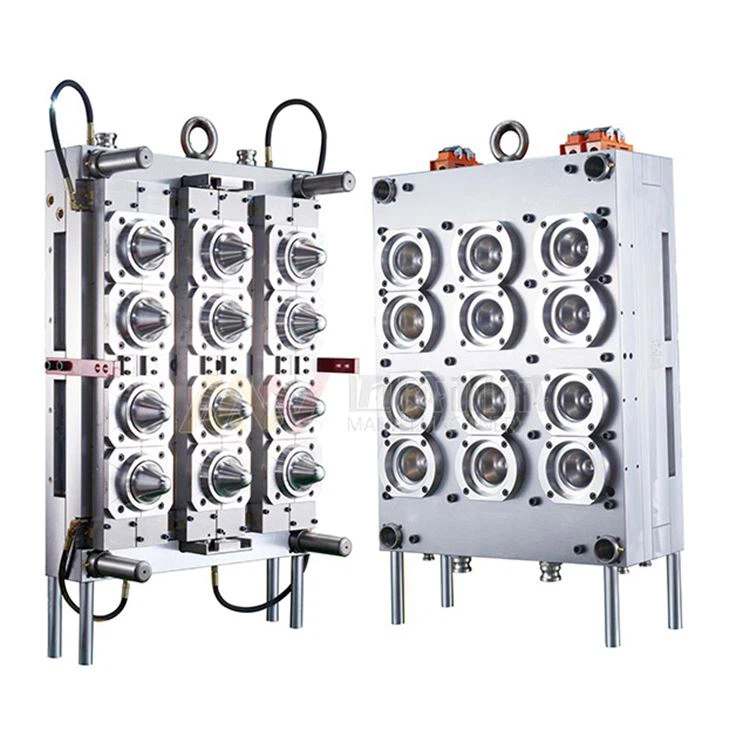
Preparation Before Lubrication
Before you start applying the lubricant, you need to prepare the mold properly. First, clean the mold thoroughly. Remove any dirt, debris, or residual plastic from the previous molding cycle. You can use a mild detergent and a soft brush to clean the mold surface. Make sure to dry the mold completely before applying the lubricant. Moisture can cause the lubricant to break down or lead to corrosion of the mold.
Inspect the mold for any signs of wear or damage. Look for scratches, dents, or cracks in the mold surface. If you find any issues, address them before lubricating the mold. You may need to repair or replace the damaged parts to ensure optimal performance.
Lubrication Process
Now, let's get into the actual lubrication process. The method of application depends on the type of lubricant you are using.
If you are using a spray lubricant, hold the can about 6 - 8 inches away from the mold surface. Spray the lubricant evenly over the areas that require lubrication. Pay special attention to the moving parts, such as the ejector pins, slides, and cores. Make sure to cover all the surfaces, but avoid over - spraying. Too much lubricant can attract dirt and debris, which can cause problems in the long run.
For grease - based lubricants, use a small brush or a grease gun to apply the lubricant. Apply a thin, even layer of grease to the areas where there is friction. You can start by applying the grease to the moving parts and then spread it out evenly. Make sure not to apply too much grease, as it can cause the parts to stick together or interfere with the mold's operation.
After applying the lubricant, work it into the surface by moving the mold parts back and forth a few times. This helps to distribute the lubricant evenly and ensures that it reaches all the necessary areas.
Frequency of Lubrication
The frequency of lubrication depends on several factors, such as the type of mold, the production volume, and the operating conditions. In general, it's a good idea to lubricate the mold after every 100 - 200 molding cycles. However, if you are running the mold at high speeds or under heavy loads, you may need to lubricate it more frequently.
Regularly inspect the mold for signs of wear or lack of lubrication. If you notice any sticking, increased friction, or abnormal noise during the molding process, it may be a sign that the mold needs to be lubricated.
Additional Tips
- Store the lubricant properly. Keep it in a cool, dry place away from direct sunlight and heat. This helps to maintain the quality of the lubricant and extends its shelf life.
- Train your operators on the proper lubrication procedure. Make sure they understand the importance of lubrication and how to do it correctly. This can help to prevent mistakes and ensure consistent performance of the mold.
- Keep a record of the lubrication schedule and any issues related to lubrication. This can help you identify patterns and make adjustments to the lubrication process as needed.
Conclusion
Properly lubricating your Jar Preform Mold is essential for its performance, longevity, and the quality of the products it produces. By choosing the right lubricant, preparing the mold correctly, applying the lubricant properly, and lubricating it at the right frequency, you can ensure that your mold operates smoothly and efficiently.
If you're in the market for high - quality Injection Preform Mold or Pet Preform Mould, we've got you covered. Our molds are designed to meet the highest standards and can help you achieve excellent results in your production. And if you have any questions about lubrication or any other aspect of our Injection Preform Mold, feel free to reach out to us. We're here to help you make the most of your investment in our molds. Whether you're a small - scale producer or a large - scale manufacturer, we're eager to start a conversation and see how we can work together to meet your needs.
References
- Injection Molding Handbook, by O. Olanipekun
- Mold Maintenance Guide, Industry Standard Publication


