Maintaining a jar preform mold is crucial for ensuring its longevity, optimal performance, and the production of high - quality preforms. As a leading jar preform mold supplier, I have witnessed firsthand the impact of proper maintenance on the efficiency and profitability of our customers' operations. In this blog, I will share some essential tips on how to maintain a jar preform mold effectively.
Regular Cleaning
Cleaning is the first and most fundamental step in mold maintenance. After each production cycle, it is essential to remove any residual plastic, debris, or contaminants from the mold. This can be done using a soft brush, compressed air, or a mild cleaning solution. For stubborn residues, a specialized mold cleaner can be used, but it is important to ensure that the cleaner is compatible with the mold material.
The cavity and core of the mold, where the preform takes shape, should be cleaned thoroughly. Any buildup in these areas can lead to surface defects on the preforms, such as streaks, blemishes, or poor clarity. Additionally, the runner system, including the hot runner if applicable, must be cleaned to prevent blockages that can disrupt the flow of plastic and affect the filling of the mold cavities.
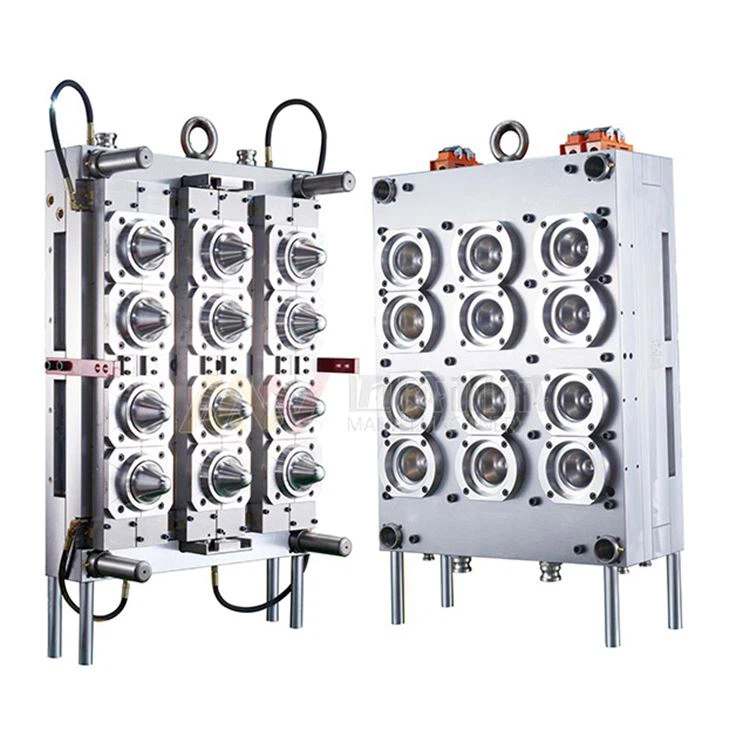
When cleaning a Hot Runner Preform Mold, extra care must be taken. The hot runner nozzles and manifolds are delicate components that require precise cleaning. A hot runner cleaning kit can be used to remove any plastic residues from the nozzles, and the manifolds should be inspected for any signs of wear or damage.
Inspection for Wear and Damage
Regular inspection is another critical aspect of mold maintenance. Inspect the mold for any signs of wear, such as scratches, dents, or erosion. These issues can occur over time due to the high - pressure injection process, the abrasive nature of the plastic, and the repeated opening and closing of the mold.
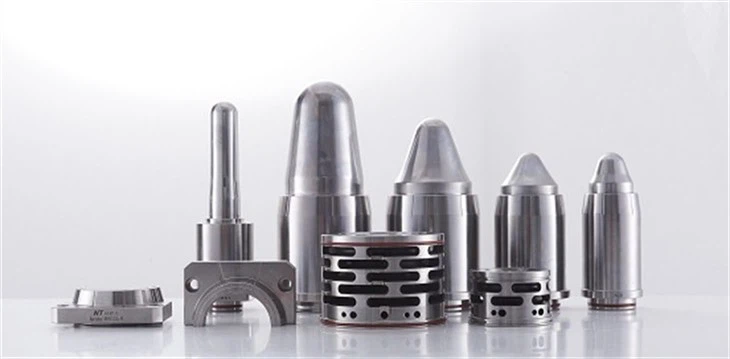
Check the mold's moving parts, such as the ejector pins, slides, and lifters. These parts are prone to wear and can affect the ejection of the preforms. Any loose or damaged parts should be repaired or replaced immediately to prevent further damage to the mold and ensure smooth production.
The mold's cooling channels also need to be inspected regularly. Blockages in the cooling channels can lead to uneven cooling of the preforms, which can cause warping and dimensional inaccuracies. Use a borescope or other inspection tools to check the inside of the cooling channels for any debris or scale buildup. If blockages are found, the cooling channels can be cleaned using chemical cleaners or mechanical methods.
Lubrication
Proper lubrication is essential for the smooth operation of the mold's moving parts. Lubricants reduce friction, prevent wear, and extend the life of the components. Use a high - quality lubricant that is specifically designed for mold applications.
Apply the lubricant to the ejector pins, slides, and other moving parts according to the manufacturer's recommendations. Over - lubrication can attract dust and debris, which can cause problems, so it is important to use the right amount of lubricant.
Storage
When the mold is not in use, proper storage is necessary to prevent damage. Store the mold in a clean, dry environment to prevent rust and corrosion. Cover the mold with a protective cover to prevent dust and debris from accumulating on its surface.
If the mold needs to be stored for an extended period, it is advisable to apply a rust - preventive coating to the mold's surface. This will protect the mold from moisture and oxidation.
Temperature Control
Maintaining the correct temperature during the injection molding process is crucial for the performance of the jar preform mold. The mold temperature affects the flow of the plastic, the cooling rate of the preforms, and the overall quality of the products.
Use a reliable temperature control system to maintain a consistent mold temperature. Monitor the temperature regularly and make adjustments as needed. Incorrect mold temperature can lead to issues such as poor filling, sink marks, and warping of the preforms.
Training for Operators
Proper training for the operators is essential for the effective maintenance of the jar preform mold. Operators should be trained on how to operate the injection molding machine correctly, how to clean and inspect the mold, and how to identify and report any potential problems.
Provide operators with detailed operating manuals and safety instructions. Encourage them to ask questions and provide feedback to improve the maintenance process. Well - trained operators can help prevent many common mold - related problems and ensure the long - term performance of the mold.
Documentation
Keep detailed records of the mold's maintenance history. This includes information such as cleaning schedules, inspection results, repair and replacement dates, and any other relevant data. Documentation helps in tracking the performance of the mold over time, identifying trends, and planning for future maintenance.
By referring to the maintenance records, you can determine when it is time to perform certain maintenance tasks, such as a major overhaul or the replacement of critical components. This proactive approach to maintenance can help prevent unexpected breakdowns and reduce downtime.
Working with a Professional Maintenance Service
While in - house maintenance is important, it is also beneficial to work with a professional mold maintenance service. Professional maintenance providers have the expertise, tools, and experience to perform comprehensive maintenance on the jar preform mold.
They can conduct in - depth inspections, perform complex repairs, and provide advice on how to optimize the mold's performance. A professional maintenance service can also offer emergency repair services in case of unexpected breakdowns, minimizing the impact on production.
Conclusion
Maintaining a jar preform mold is a multi - faceted process that requires attention to detail, regular inspection, and proper care. By following the tips outlined in this blog, you can ensure the long - term performance of your mold and the production of high - quality jar preforms.
As a Injection Preform Mold and Injection Preform Mold supplier, we are committed to providing our customers with not only high - quality molds but also the knowledge and support they need to maintain them. If you are interested in purchasing a jar preform mold or need further advice on mold maintenance, please feel free to contact us for a procurement discussion. We look forward to working with you to meet your production needs.
References
- "Injection Molding Handbook" by O. Olszewski
- "Mold Maintenance Best Practices" - Industry white paper from a leading mold manufacturing association
- Manufacturer's manuals for jar preform molds and related equipment