

In the dynamic landscape of manufacturing, the demand for high - quality preforms in large quantities is on the rise. As a dedicated Injection Preform Mold supplier, we understand the crucial role that a well - designed and optimized mold plays in mass production. In this blog, we will explore several key strategies to make the injection preform mold more suitable for mass production.
1. Design Optimization
The foundation of a mold suitable for mass production lies in its design. First and foremost, the cavity layout is of utmost importance. A well - thought - out cavity arrangement can significantly increase the production output per cycle. For example, a multi - cavity mold can produce multiple preforms at once. However, it is essential to ensure that each cavity has uniform filling and cooling. This requires precise calculations of the runner system, which distributes the molten plastic to each cavity.
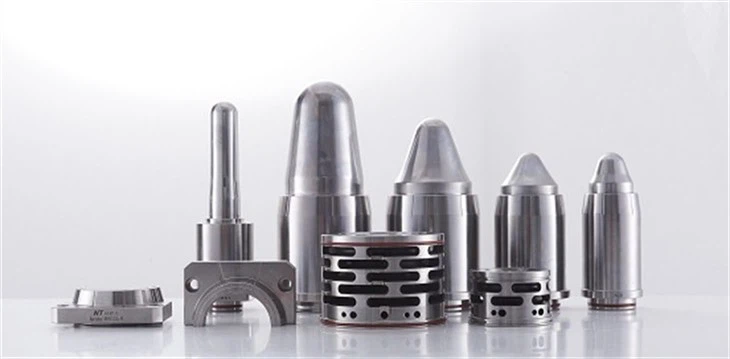
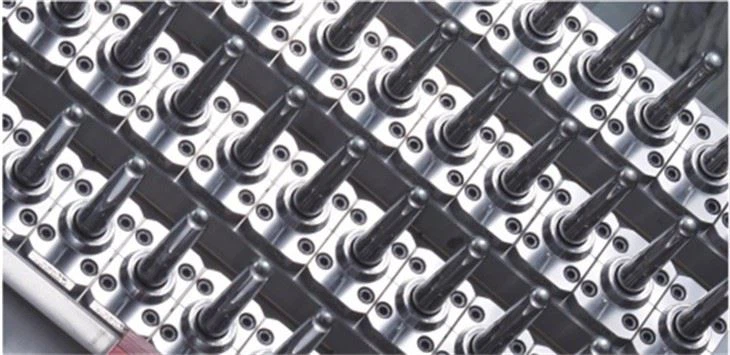
The runner system design should minimize pressure drop and shear stress. A balanced runner system ensures that the same amount of plastic reaches each cavity at the same time and with the same pressure. This can be achieved through the use of computer - aided engineering (CAE) software. CAE simulations can predict the flow behavior of the molten plastic, allowing us to optimize the runner diameter, length, and gate location. For instance, a hot runner system is often preferred in mass production as it reduces material waste and cycle time. It keeps the plastic in a molten state throughout the runner, eliminating the need to remove and recycle the cold runner after each cycle.
Another aspect of design optimization is the consideration of the preform geometry. The mold should be designed to accommodate the specific shape and size requirements of the preform. For example, if the preform has a complex shape, the mold design should ensure easy ejection of the preform without causing any damage. This may involve the use of advanced ejection mechanisms such as hydraulic or pneumatic ejectors.
2. Material Selection
The choice of materials for the injection preform mold has a direct impact on its performance in mass production. High - quality mold steels are commonly used due to their excellent mechanical properties. For example, P20 and H13 are popular choices. P20 is a pre - hardened steel that offers good machinability and polishability. It is suitable for molds that require a high - gloss finish on the preform. H13, on the other hand, is a hot - work tool steel known for its high thermal conductivity and resistance to thermal fatigue. This makes it ideal for molds operating at high temperatures during the injection molding process.
In addition to the base material, surface treatments can also enhance the mold's performance. For example, nitriding can improve the surface hardness and wear resistance of the mold. This reduces the frequency of mold maintenance and extends its service life. Chrome plating is another option that provides a smooth surface finish, which facilitates the ejection of the preform and reduces the risk of surface defects.
3. Precision Manufacturing
Precision manufacturing is crucial for a mold to be suitable for mass production. Advanced machining techniques such as computer numerical control (CNC) machining are used to ensure high dimensional accuracy. CNC machines can produce molds with tight tolerances, which is essential for consistent preform quality. For example, the dimensional accuracy of the mold cavities should be within a few micrometers to ensure that all preforms have the same size and shape.
Electrical discharge machining (EDM) is another important process in mold manufacturing. It is used to create complex shapes and features in the mold that are difficult to achieve with traditional machining methods. EDM can produce very fine details and sharp corners, which are often required in the design of injection preform molds.
After machining, the mold undergoes a series of quality control checks. This includes measuring the dimensions of the mold cavities, checking the surface finish, and testing the functionality of the ejection and cooling systems. Only molds that meet the strict quality standards are approved for mass production.
4. Cooling System Design
An efficient cooling system is vital for mass production with injection preform molds. Proper cooling reduces the cycle time by solidifying the molten plastic quickly. A well - designed cooling system should ensure uniform cooling throughout the mold. This can be achieved by using a combination of cooling channels and cooling inserts.
The cooling channels should be strategically placed around the mold cavities to remove heat evenly. The diameter and spacing of the cooling channels are carefully calculated to optimize the cooling efficiency. For example, in a large - scale mold, a baffle or spiral cooling channel design can be used to increase the contact area between the cooling water and the mold, enhancing the heat transfer rate.
Cooling inserts made of materials with high thermal conductivity, such as copper alloys, can be used in areas where rapid cooling is required. These inserts can be placed close to the mold surface to extract heat more effectively. Additionally, the cooling water temperature and flow rate should be carefully controlled to maintain a stable cooling environment.
5. Maintenance and Monitoring
Regular maintenance is essential to keep the injection preform mold in optimal condition for mass production. This includes cleaning the mold after each production run to remove any residual plastic or contaminants. The ejection system, cooling system, and other moving parts should be inspected and lubricated regularly to prevent wear and tear.
Monitoring the mold's performance during production is also crucial. Sensors can be installed in the mold to measure parameters such as temperature, pressure, and vibration. By analyzing the data collected from these sensors, potential problems can be detected early, allowing for timely maintenance and preventing production downtime. For example, an increase in the injection pressure may indicate a blockage in the runner system or a problem with the mold cavity.
6. Compatibility with Production Equipment
The injection preform mold should be compatible with the production equipment. This includes the injection molding machine. The mold's size, weight, and clamping requirements should match the specifications of the machine. For example, the mold should fit properly into the clamping unit of the injection molding machine, and the injection pressure and temperature settings should be compatible with the machine's capabilities.
The automation equipment used in the production line, such as robots for preform handling and sorting, should also be considered. The mold design should allow for easy integration with these automation systems to ensure a smooth and efficient production process.
Conclusion
Making the injection preform mold more suitable for mass production requires a comprehensive approach that encompasses design optimization, material selection, precision manufacturing, cooling system design, maintenance, and compatibility with production equipment. As a [Your Company's Position] Injection Preform Mold supplier, we are committed to providing high - quality molds that meet the demanding requirements of mass production.
If you are looking for a reliable partner for your injection preform mold needs, we invite you to [Contact Method]. Our team of experts is ready to work with you to develop customized solutions that will enhance your production efficiency and product quality. Whether you need a Jar Preform Mold, a general Injection Preform Mold, or a Preform Die, we have the expertise and resources to meet your requirements.
References
- "Injection Molding Handbook" by O. Olszewski
- "Mold Design and Manufacturing Technology" by X. Zhang
- Industry research reports on injection preform mold manufacturing


