As a seasoned supplier of Wide Mouth Preform Molds, I understand the critical role that mold structure optimization plays in the preform manufacturing process. A well - optimized mold structure not only enhances the quality of the preforms but also boosts production efficiency and reduces costs. In this blog, I will share some key strategies on how to optimize the mold structure for a wide mouth preform mold.
Understanding the Basics of Wide Mouth Preform Molds
Before delving into optimization strategies, it's essential to have a solid understanding of wide mouth preform molds. These molds are specifically designed to produce preforms with a relatively large opening diameter, which are later blow - molded into wide - mouth containers. The mold structure consists of several key components, including the cavity, core, hot runner system, and cooling system.
The cavity and core define the shape and size of the preform. A precise cavity and core design ensure that the preforms meet the required dimensional accuracy and surface finish. The hot runner system is responsible for delivering the molten plastic to the mold cavity, and the cooling system helps to solidify the plastic quickly and uniformly.
Design Considerations for Optimization
1. Cavity and Core Design
The first step in optimizing the mold structure is to design the cavity and core carefully. The number of cavities in the mold can significantly impact production efficiency. Increasing the number of cavities allows for more preforms to be produced in each cycle. However, it also requires a more complex hot runner system and cooling system to ensure uniform filling and cooling.
When designing the cavity and core, it's important to consider the draft angle. A proper draft angle makes it easier to eject the preform from the mold without causing damage. For wide mouth preforms, a draft angle of at least 1 - 2 degrees is recommended. Additionally, the surface finish of the cavity and core should be smooth to prevent any marks or defects on the preform surface.
2. Hot Runner System Optimization
The hot runner system is a crucial part of the wide mouth preform mold. An optimized hot runner system ensures that the molten plastic is evenly distributed to all cavities, reducing the risk of short - shots or over - filling.
One of the key factors in hot runner system optimization is the selection of the right nozzle type. Injection Preform Mold often uses different types of nozzles, such as open nozzles and valve gate nozzles. Valve gate nozzles, as seen in Valve Gate Preform Mold, offer better control over the plastic flow and can prevent drooling or stringing.
Another important aspect is the thermal balance of the hot runner system. Proper insulation and heating elements should be used to maintain a consistent temperature throughout the system. This helps to ensure that the plastic has the right viscosity for optimal filling.
3. Cooling System Design
Efficient cooling is essential for reducing cycle time and improving the quality of the preforms. A well - designed cooling system should be able to remove heat from the mold quickly and uniformly.
The cooling channels in the mold should be designed to follow the shape of the cavity and core as closely as possible. This ensures that all parts of the preform are cooled at the same rate, minimizing the risk of warping or shrinkage. For wide mouth preforms, a combination of cooling channels and baffles can be used to enhance the cooling effect.
It's also important to control the coolant flow rate and temperature. The coolant should have a sufficient flow rate to carry away the heat effectively, and the temperature should be maintained within a narrow range to ensure consistent cooling.
Material Selection for Mold Components
The choice of materials for the mold components can have a significant impact on the mold's performance and longevity. High - quality materials can withstand the high pressures and temperatures involved in the injection molding process, reducing the risk of wear and damage.
For the cavity and core, materials such as tool steel are commonly used. Tool steel offers excellent hardness, toughness, and wear resistance. It can be heat - treated to achieve the desired properties. Additionally, surface treatments like nitriding or chrome plating can be applied to further enhance the surface hardness and corrosion resistance.
The hot runner system components, such as nozzles and manifolds, should be made of materials with good thermal conductivity and high - temperature resistance. Stainless steel is a popular choice for hot runner components due to its corrosion resistance and relatively good thermal properties.
Testing and Validation
Once the mold structure has been designed and manufactured, it's important to conduct thorough testing and validation. This involves running trial injection molding cycles to check for any defects or issues in the preforms.
During the testing phase, parameters such as injection pressure, temperature, and cycle time should be carefully monitored and adjusted as needed. The quality of the preforms, including dimensions, weight, and surface finish, should be inspected using appropriate measuring tools.
If any problems are identified during the testing phase, the mold structure may need to be modified. This could involve adjusting the hot runner system, cooling system, or cavity and core design.
Cost - Benefit Analysis
Optimizing the mold structure for a wide mouth preform mold is not just about improving quality and efficiency; it's also about cost - effectiveness. A cost - benefit analysis should be conducted to determine the optimal level of investment in mold optimization.
On one hand, investing in a more advanced hot runner system or high - quality materials may increase the initial mold cost. However, it can lead to significant savings in the long run through reduced production costs, fewer rejects, and increased production efficiency.
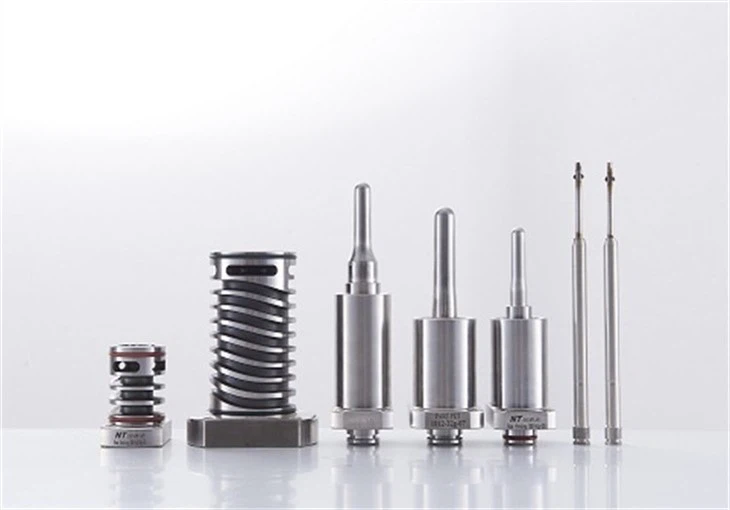
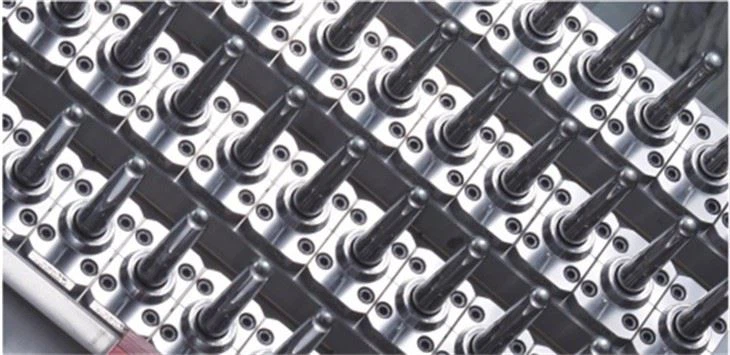
On the other hand, cutting corners on mold design or using low - quality materials may result in frequent breakdowns, poor - quality preforms, and higher overall production costs.
Conclusion
Optimizing the mold structure for a wide mouth preform mold is a complex but rewarding process. By carefully designing the cavity and core, optimizing the hot runner system and cooling system, selecting the right materials, and conducting thorough testing and validation, we can produce high - quality wide mouth preforms efficiently and cost - effectively.
As a supplier of wide mouth preform molds, we are committed to providing our customers with the best - optimized mold solutions. If you are interested in our products or have any questions about wide mouth preform mold optimization, please feel free to contact us for further discussion and potential procurement. We look forward to working with you to meet your preform manufacturing needs.
References
- Throne, J. L. (2017). Plastics Processing: Modeling and Simulation. Hanser Publishers.
- Rosato, D. V., & Rosato, D. V. (2011). Injection Molding Handbook. Kluwer Academic Publishers.
- Beaumont, J. P. (2013). Runner and Gating Design Handbook. Hanser Publishers.