

Hey there! As a preform mold supplier, I've been in the game for quite some time, and one question that always pops up is, "How to predict the mold life of a preform mold?" Well, I'm here to share my insights on this topic.
First off, let's understand why predicting mold life is so crucial. A preform mold is a significant investment for any business. Knowing how long it'll last helps in planning production schedules, budgeting for replacements, and ensuring consistent product quality. If you don't have a good estimate of the mold life, you might end up with unexpected downtime, increased costs, and unhappy customers.
Factors Affecting Mold Life
There are several factors that can influence the life of a preform mold. Let's take a closer look at each one.
Material Quality
The quality of the materials used to make the mold is a huge factor. High - quality steel with good hardness, toughness, and corrosion resistance will generally last longer. For example, some premium steels can withstand the high pressures and temperatures of the injection molding process better than lower - grade materials. When we manufacture our Hot Runner Preform Mold, we use top - notch materials to ensure durability.
Design and Manufacturing
A well - designed mold is more likely to have a longer life. The design should take into account factors like proper cooling channels, balanced gating systems, and adequate wall thickness. If the mold is poorly designed, it can lead to uneven wear, stress concentrations, and premature failure. During the manufacturing process, precision is key. Any defects in machining, such as rough surfaces or incorrect dimensions, can reduce the mold's lifespan. Our Valve Gate Preform Mold is carefully designed and manufactured to meet the highest standards.
Operating Conditions
The way the mold is used also plays a big role. High - pressure injection, extreme temperatures, and long - cycle times can all put extra stress on the mold. For instance, if the injection pressure is too high, it can cause the mold cavities to deform over time. Similarly, operating the mold at very high temperatures can accelerate wear and corrosion. On the other hand, proper maintenance and regular cleaning can extend the mold's life. We always recommend our customers to follow the operating guidelines for our Injection Preform Mold to ensure optimal performance.
Plastic Resin
The type of plastic resin used in the injection molding process can impact the mold life. Some resins are more abrasive or corrosive than others. For example, glass - filled plastics can cause more wear on the mold surface due to the glass fibers. Chemical - resistant plastics might also react with the mold material over time. It's important to choose the right mold material based on the plastic resin you'll be using.
Methods for Predicting Mold Life
Now that we know the factors affecting mold life, let's talk about how we can predict it.

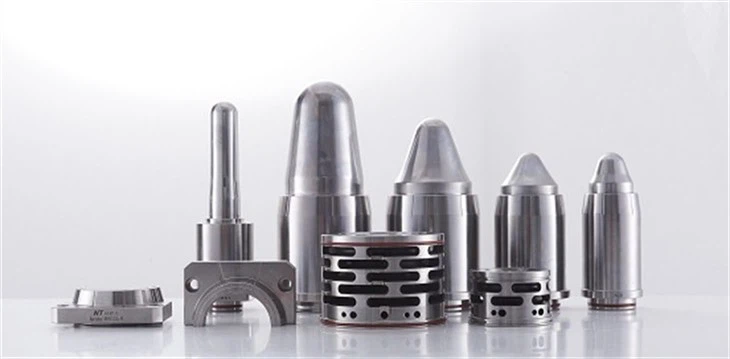
Historical Data
One of the simplest ways is to rely on historical data. If you've been using similar molds in the past, you can analyze how long they lasted under similar operating conditions. This data can give you a good starting point for estimating the life of a new mold. For example, if you've used a particular type of preform mold for a specific plastic resin and it lasted an average of 500,000 cycles, you can expect a similar performance from a new mold of the same design.
Stress Analysis
Stress analysis using computer - aided engineering (CAE) software can also be very helpful. This involves creating a virtual model of the mold and simulating the injection molding process. The software can then calculate the stress distribution within the mold during operation. By analyzing these stress levels, we can predict where the mold is likely to fail and estimate its lifespan. This method is especially useful for complex mold designs.
Wear Testing
Another approach is to conduct wear testing. This can involve running a small - scale test mold under actual operating conditions for a certain number of cycles. After the test, the mold is inspected for wear and damage. Based on the results, we can extrapolate the expected life of the full - scale mold. This method provides more real - world data but can be time - consuming and expensive.
Real - World Examples
Let me share a couple of real - world examples to illustrate how these prediction methods work.
We had a customer who was using a Hot Runner Preform Mold to produce preforms for PET bottles. They had been using similar molds for a few years and had kept detailed records of the number of cycles each mold lasted. Based on this historical data, we estimated that the new mold we were supplying would last around 800,000 cycles. After a year of operation, the customer reported that the mold was still in good condition and had already reached 750,000 cycles, which was very close to our prediction.
In another case, we used stress analysis for a Valve Gate Preform Mold with a complex design. The CAE software showed that there were some areas of high stress near the gate. We made some design modifications to reduce the stress levels. Based on the new stress analysis results, we predicted that the mold would have a lifespan of 1 million cycles. The customer was initially skeptical, but after running the mold for several months, they were happy to see that the mold was performing as expected.
Importance of Accurate Prediction
Accurately predicting the mold life is not just about saving money. It also has a big impact on product quality and production efficiency. If you know how long a mold will last, you can plan for maintenance and replacement in advance. This helps to avoid unexpected breakdowns and ensures that your production line runs smoothly. It also allows you to maintain consistent product quality, as a worn - out mold can lead to defects in the preforms.
Conclusion
Predicting the mold life of a preform mold is a complex but important task. By considering factors like material quality, design, operating conditions, and plastic resin, and using methods such as historical data, stress analysis, and wear testing, we can make reasonably accurate predictions. As a preform mold supplier, we're committed to providing our customers with high - quality molds and the information they need to get the most out of them.
If you're in the market for a new preform mold or have any questions about mold life prediction, don't hesitate to reach out. We're here to help you make the right choices for your business.
References
- "Injection Molding Handbook" by O. Osswald and T. Turng
- "Mold Design for Injection Molding" by R. Beardmore


