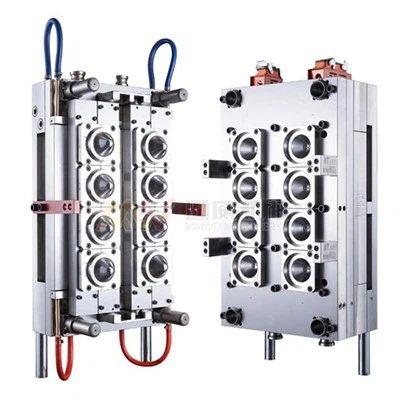
As a dedicated supplier of 5 Gallon Pet Preforms, I've witnessed firsthand the challenges that come with preventing cracking in these essential products. Cracking not only affects the aesthetic appeal of the preforms but also compromises their functionality, leading to potential losses for both manufacturers and end - users. In this blog, I'll share some scientific and practical strategies to prevent the cracking of 5 Gallon Pet Preforms.
Understanding the Causes of Cracking
Before we can address the issue of cracking, it's crucial to understand the root causes. There are several factors that can contribute to the cracking of 5 Gallon Pet Preforms, including material properties, processing conditions, and environmental factors.
Material - related Causes
PET (Polyethylene Terephthalate) is the primary material used in 5 Gallon Pet Preforms. The quality of the PET resin can have a significant impact on the preform's resistance to cracking. Low - quality PET resin may contain impurities or have inconsistent molecular weight distribution, which can weaken the structure of the preform. Additionally, the moisture content in the PET resin is critical. Excessive moisture can cause hydrolysis during the processing, leading to chain scission and reduced mechanical properties of the preform.
Processing - related Causes
The processing conditions during the injection molding of 5 Gallon Pet Preforms play a vital role in preventing cracking. Improper injection speed, pressure, and temperature can result in internal stresses within the preform. For example, if the injection speed is too high, it can cause the molten PET to flow unevenly, creating areas of high stress. Similarly, incorrect mold temperature can lead to uneven cooling, which also generates internal stresses. These internal stresses can act as initiation points for cracking over time.
Environmental - related Causes
Once the preforms are produced, they are exposed to various environmental conditions. High humidity, extreme temperatures, and exposure to certain chemicals can all contribute to the cracking of 5 Gallon Pet Preforms. For instance, prolonged exposure to high humidity can cause the PET to absorb moisture, which can plasticize the material and reduce its strength. On the other hand, extreme cold can make the PET more brittle, increasing the likelihood of cracking.
Strategies to Prevent Cracking
Material Selection and Preparation
- High - quality PET Resin: Always choose high - quality PET resin from reputable suppliers. Look for resins with consistent molecular weight distribution and low impurity content. A good resin will have better mechanical properties and be more resistant to cracking.
- Proper Drying: Before processing, ensure that the PET resin is properly dried to remove any moisture. Use a desiccant dryer to achieve a moisture content of less than 0.005%. This will prevent hydrolysis during the injection molding process and maintain the integrity of the polymer chains.
Optimized Processing Conditions
- Injection Molding Parameters: Fine - tune the injection molding parameters such as injection speed, pressure, and temperature. The injection speed should be adjusted to ensure a smooth and even flow of the molten PET. A moderate injection pressure should be used to avoid over - packing the mold, which can create excessive internal stresses. The mold temperature should be carefully controlled to ensure uniform cooling of the preform.
- Mold Design: A well - designed mold is essential for preventing cracking. The mold should have proper gate design and venting to allow for smooth filling and escape of air. The wall thickness of the preform should be uniform to avoid areas of stress concentration.
Environmental Management
- Storage Conditions: Store the 5 Gallon Pet Preforms in a controlled environment. Keep them in a dry place with a relative humidity of less than 50%. The storage temperature should be between 20 - 25°C to prevent the material from becoming too brittle or too soft.
- Handling and Transportation: During handling and transportation, take precautions to avoid any physical damage to the preforms. Use appropriate packaging materials to protect them from impacts and vibrations.
Quality Control and Testing
Implement a comprehensive quality control system to detect any potential issues with the 5 Gallon Pet Preforms before they are shipped to customers. This can include visual inspection, dimensional measurement, and stress - testing.
Visual Inspection
Regularly inspect the preforms for any visible cracks, scratches, or other defects. A simple visual inspection can help identify problems early on and prevent defective products from reaching the market.
Dimensional Measurement
Measure the key dimensions of the preforms, such as wall thickness, diameter, and length. Any significant deviation from the specifications can indicate a problem with the processing or material, which may lead to cracking.


Stress - Testing
Conduct stress - testing on a sample of the preforms to evaluate their resistance to cracking. This can involve subjecting the preforms to internal pressure or bending forces and monitoring for any signs of cracking.
Conclusion
Preventing the cracking of 5 Gallon Pet Preforms requires a comprehensive approach that addresses material selection, processing conditions, environmental management, and quality control. By understanding the causes of cracking and implementing the strategies outlined in this blog, manufacturers can produce high - quality preforms that are more resistant to cracking.
As a leading supplier of Water Bottle Preform, 5 Gallon Water Bottle Preform, and 5 Gallon Pet Preform, we are committed to providing our customers with the best - in - class products. If you are interested in purchasing high - quality 5 Gallon Pet Preforms or have any questions about preventing cracking, please feel free to contact us for further discussion and potential procurement negotiations.
References
- "Plastics Materials" by John A. Brydson
- "Injection Molding Handbook" by O. Brückner and K. F. Gehring
- Technical papers on PET processing and properties from industry - leading research institutions.