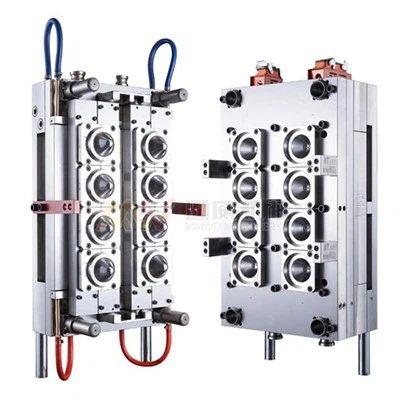
As a supplier of 5 Gallon Pet Preforms, I understand the critical importance of preventing deformation in these products. Deformation can lead to a range of issues, from aesthetic flaws to functional problems that can affect the overall quality of the final product. In this blog post, I will share some key strategies and best practices for preventing the deformation of 5 Gallon Pet Preforms.


Understanding the Causes of Deformation
Before we can discuss prevention methods, it's essential to understand the root causes of deformation in 5 Gallon Pet Preforms. Several factors can contribute to this issue, including:
1. Temperature Variations
PET (Polyethylene Terephthalate) is a thermoplastic material, which means it is sensitive to temperature changes. During the manufacturing process, if the preforms are not cooled properly or are exposed to extreme temperatures during storage or transportation, they can deform. High temperatures can cause the material to soften and lose its shape, while rapid cooling can create internal stresses that lead to warping.
2. Improper Molding Conditions
The molding process plays a crucial role in the quality of the preforms. If the mold temperature, pressure, or injection speed is not optimized, it can result in uneven cooling and solidification of the PET material. This can lead to variations in wall thickness and structural integrity, making the preforms more prone to deformation.
3. Material Quality
The quality of the PET resin used in the preforms can also impact their resistance to deformation. Low-quality resins may contain impurities or have inconsistent molecular structures, which can affect the material's mechanical properties. Additionally, the moisture content of the resin can influence its processing behavior and final performance.
4. Handling and Storage
How the preforms are handled and stored after production can also contribute to deformation. Rough handling, stacking preforms in an unstable manner, or storing them in environments with high humidity or extreme temperatures can all increase the risk of damage.
Preventive Measures
1. Temperature Control
- Molding Temperature: During the injection molding process, it is crucial to maintain precise control over the mold temperature. This helps ensure uniform cooling and solidification of the PET material, reducing the likelihood of internal stresses and deformation. Use temperature sensors and controllers to monitor and adjust the mold temperature as needed.
- Cooling Process: Implement an efficient cooling system to rapidly and evenly cool the preforms after molding. This can involve using chilled water or air to remove heat from the preforms quickly. However, it's important to avoid over - cooling, as this can also cause issues.
- Storage and Transportation: Store the preforms in a temperature - controlled environment to prevent exposure to extreme temperatures. During transportation, use insulated containers or climate - controlled trucks to maintain a stable temperature.
2. Optimize Molding Parameters
- Pressure and Injection Speed: Adjust the injection pressure and speed based on the specific requirements of the preform design. Higher pressures can help ensure complete filling of the mold cavity, while controlled injection speeds can prevent air entrapment and uneven flow of the PET material.
- Cycle Time: Optimize the molding cycle time to allow sufficient time for the preforms to cool and solidify properly. Rushing the cycle can lead to incomplete cooling and deformation.
3. Select High - Quality Materials
- Resin Selection: Choose high - quality PET resins with consistent molecular structures and low impurity levels. Work with reputable resin suppliers who can provide detailed information about the resin's properties and performance.
- Moisture Management: Ensure that the PET resin is properly dried before processing to remove any moisture. Moisture can cause hydrolysis of the PET, which can weaken the material and increase the risk of deformation. Use desiccant dryers to achieve the desired moisture content.
4. Proper Handling and Storage
- Handling: Train your staff on proper handling techniques to avoid rough handling of the preforms. Use gentle handling equipment, such as vacuum grippers or soft - touch conveyors, to minimize the risk of damage.
- Stacking and Storage: Stack the preforms in a stable and organized manner to prevent them from collapsing or deforming. Use storage racks or containers that are designed to support the preforms without applying excessive pressure.
- Humidity Control: Maintain a low humidity environment in the storage area to prevent moisture absorption by the preforms. This can be achieved using dehumidifiers or by storing the preforms in sealed containers.
Quality Assurance
- Inspection and Testing: Implement a comprehensive quality control program to inspect the preforms for any signs of deformation or other defects. Use visual inspection, dimensional measurement, and mechanical testing to ensure that the preforms meet the required specifications.
- Statistical Process Control (SPC): Apply SPC techniques to monitor and analyze the manufacturing process. This helps identify any trends or variations in the process parameters that could lead to deformation, allowing for timely corrective actions.
Additional Considerations
1. Design Optimization
- Wall Thickness: Optimize the wall thickness of the preforms to ensure uniform strength and resistance to deformation. A consistent wall thickness helps distribute stress evenly throughout the preform, reducing the risk of weak points.
- Ribs and Reinforcements: Incorporate ribs or other reinforcements into the preform design to enhance its structural integrity. These features can help prevent buckling and improve the preform's ability to withstand external forces.
2. Training and Education
- Employee Training: Provide comprehensive training to your employees on the proper handling, storage, and quality control procedures for the preforms. This helps ensure that everyone involved in the production and distribution process understands the importance of preventing deformation and knows how to take the necessary precautions.
Conclusion
Preventing the deformation of 5 Gallon Pet Preforms requires a comprehensive approach that addresses all aspects of the manufacturing, handling, and storage processes. By implementing strict temperature control, optimizing molding parameters, using high - quality materials, and following proper handling and storage practices, you can significantly reduce the risk of deformation and ensure the production of high - quality preforms.
If you are in the market for high - quality 5 Gallon Water Bottle Preform, 3 Gallon Water Bottle Preform, or Oil Bottle Preform, we would be delighted to discuss your requirements. Contact us to learn more about our products and how we can meet your specific needs.
References
- "Plastic Injection Molding Handbook" by Rosato, D. V., & Rosato, D. V. (2000).
- "PET Packaging Technology" by Barnes, P. (2003).
- Industry standards and guidelines related to PET preform manufacturing and quality control.