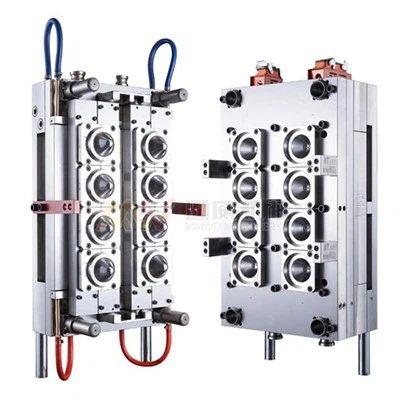
As a preform die supplier, I've encountered numerous challenges that manufacturers face during preform die operations. One persistent issue that often gets overlooked but significantly impacts the working environment and equipment longevity is noise. Excessive noise not only creates an uncomfortable workplace but can also lead to hearing loss among workers and potential damage to the machinery over time. In this blog post, I'll share some effective strategies on how to reduce noise in a preform die operation.
Understanding the Sources of Noise in Preform Die Operations
Before diving into the solutions, it's crucial to understand where the noise is coming from. In preform die operations, noise can originate from several sources:

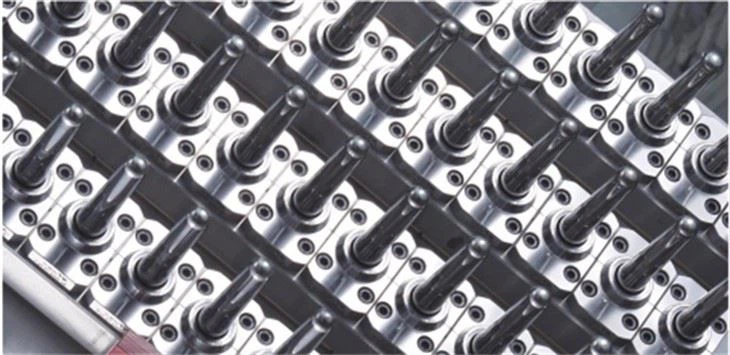
- Mechanical Components: The moving parts of the preform die, such as the clamping unit, injection unit, and ejection system, generate noise due to friction, vibration, and impact. For example, when the clamping unit closes with high force, it can produce a loud bang.
- Hydraulic Systems: Hydraulic pumps and valves are another significant source of noise. The rapid flow of hydraulic fluid and the opening and closing of valves can create high - pitched whistles and rattling sounds.
- Material Flow: The injection of molten plastic into the preform die can also cause noise. The pressure changes and the flow of the material through the channels can result in a hissing or gurgling sound.
Strategies to Reduce Noise
1. Equipment Maintenance and Lubrication
- Regular Inspections: Conduct routine inspections of the preform die and its associated equipment. Check for loose bolts, worn - out parts, and misaligned components. Loose parts can vibrate and create additional noise. For example, if the ejector pins are not properly aligned, they can make a rattling sound during the ejection process.
- Lubrication: Proper lubrication of the mechanical components is essential. Lubricants reduce friction between moving parts, which in turn reduces noise. Use high - quality lubricants recommended by the equipment manufacturer and follow the lubrication schedule strictly. For instance, lubricating the guide rails of the clamping unit can significantly reduce the noise generated during the opening and closing of the die.
2. Soundproofing the Workspace
- Enclosures: Install soundproof enclosures around the preform die machine. These enclosures are designed to absorb and block the sound waves. They can be made of materials such as acoustic foam, fiberglass, or metal with a sound - absorbing lining. The enclosure should be well - sealed to prevent any sound leakage. For example, a well - constructed enclosure can reduce the noise level by up to 20 - 30 decibels.
- Wall and Ceiling Treatments: Apply sound - absorbing materials to the walls and ceilings of the workspace. Acoustic panels can be installed to reduce the reverberation of sound within the room. This is especially important in large manufacturing facilities where the sound can bounce off the walls and create a noisy environment.
3. Hydraulic System Optimization
- Hydraulic Fluid Quality: Use high - quality hydraulic fluid and ensure that it is clean. Contaminated hydraulic fluid can cause the hydraulic pumps and valves to work harder, resulting in increased noise. Regularly change the hydraulic fluid according to the manufacturer's recommendations.
- Pressure Regulation: Optimize the hydraulic pressure settings. Excessive pressure can lead to noisy operation. Work with a hydraulic specialist to determine the optimal pressure for the preform die operation. By reducing the pressure to the minimum required level, you can reduce the noise generated by the hydraulic system.
4. Vibration Isolation
- Anti - Vibration Mounts: Install anti - vibration mounts under the preform die machine. These mounts absorb the vibrations generated by the machine and prevent them from being transmitted to the floor. This not only reduces noise but also helps to protect the floor and other nearby equipment. There are various types of anti - vibration mounts available, such as rubber mounts, spring mounts, and pneumatic mounts.
- Isolation Pads: Use isolation pads for smaller components within the preform die system. For example, placing isolation pads under the hydraulic pumps can reduce the vibration and noise they produce.
5. Operator Training
- Proper Operation: Train operators on the proper operation of the preform die machine. Incorrect operation, such as over - speeding the machine or improper use of the controls, can lead to increased noise. Operators should be aware of the optimal operating parameters and follow the standard operating procedures.
- Maintenance Awareness: Educate operators about the importance of equipment maintenance in reducing noise. They should be able to identify early signs of noise - related issues, such as unusual sounds or vibrations, and report them immediately.
The Benefits of Reducing Noise in Preform Die Operations
- Improved Workplace Safety: Reducing noise levels creates a safer working environment. Workers are less likely to suffer from hearing loss and other noise - related health problems. This also improves their concentration and reduces the risk of accidents.
- Enhanced Equipment Longevity: By reducing the noise, we are also reducing the stress on the equipment. This can lead to less wear and tear on the mechanical components, hydraulic systems, and other parts of the preform die machine. As a result, the equipment has a longer lifespan and requires less frequent repairs.
- Increased Productivity: A quieter workplace is a more productive workplace. Workers can communicate more effectively and focus better on their tasks. This can lead to higher quality products and increased production efficiency.
Conclusion
Reducing noise in preform die operations is a multi - faceted challenge that requires a combination of strategies. By focusing on equipment maintenance, soundproofing, hydraulic system optimization, vibration isolation, and operator training, manufacturers can significantly reduce the noise levels in their facilities. As a preform die supplier, I'm committed to helping my customers create a more comfortable and efficient working environment.
If you're interested in learning more about Pet Preform Mould or Injection Preform Mold and how to optimize your preform die operations, feel free to reach out. We can discuss customized solutions to meet your specific needs and reduce the noise in your preform die operations. You can also explore our Injection Preform Mold product range for more information.
References
- "Industrial Noise Control and Acoustics" by C. M. Harris.
- "Handbook of Noise and Vibration Control" by Malcolm J. Crocker.
- Manufacturer's manuals for preform die machines and associated equipment.