

Vibration in a preform die system can significantly impact the quality of preforms and the overall efficiency of the manufacturing process. As a preform die supplier, we understand the challenges that vibration poses to our customers. In this blog, we will explore various strategies to reduce vibration in a preform die system, ensuring optimal performance and high - quality preform production.
Understanding the Causes of Vibration in Preform Die Systems
Before we can address the issue of vibration, it is crucial to understand its root causes. Vibration in a preform die system can be attributed to several factors, including:
Machine - related Factors
- Imbalanced Rotating Components: In injection molding machines, components such as screws and motors can become imbalanced over time. An imbalanced screw can cause uneven forces during the injection process, leading to vibration in the preform die system.
- Loose Machine Parts: Loose bolts, nuts, or other machine parts can create rattling and vibration. These loose components may not be able to withstand the high - pressure and high - speed operations of the injection molding process, resulting in unwanted movement.
Die - related Factors
- Poor Die Design: A preform die with an improper design can cause uneven material flow, leading to pressure fluctuations and vibration. For example, if the runner system is not designed to distribute the molten plastic evenly, it can create turbulent flow and vibration.
- Worn - out Die Components: Over time, die components such as cavities, cores, and hot runners can wear out. Worn - out components may not fit together properly, causing misalignment and vibration during the molding process.
Process - related Factors
- Inconsistent Injection Parameters: Incorrect injection speed, pressure, or temperature settings can cause uneven filling of the preform die. This can lead to pressure variations within the die, resulting in vibration.
- Material Variations: Different plastic materials have different flow properties. If the material used in the injection molding process has inconsistent properties, it can cause unstable flow and vibration in the preform die system.
Strategies to Reduce Vibration in Preform Die Systems
Machine Maintenance and Optimization
- Regular Balancing of Rotating Components: Schedule regular maintenance to balance rotating components such as screws and motors. This can be done using specialized balancing equipment to ensure that the components rotate smoothly and evenly.
- Tightening of Loose Machine Parts: Conduct regular inspections of the injection molding machine to identify and tighten any loose bolts, nuts, or other parts. This can prevent rattling and vibration caused by loose components.
- Upgrading Machine Components: Consider upgrading old or worn - out machine components to improve the overall stability of the machine. Newer components may have better precision and performance, reducing the likelihood of vibration.
Die Design and Optimization
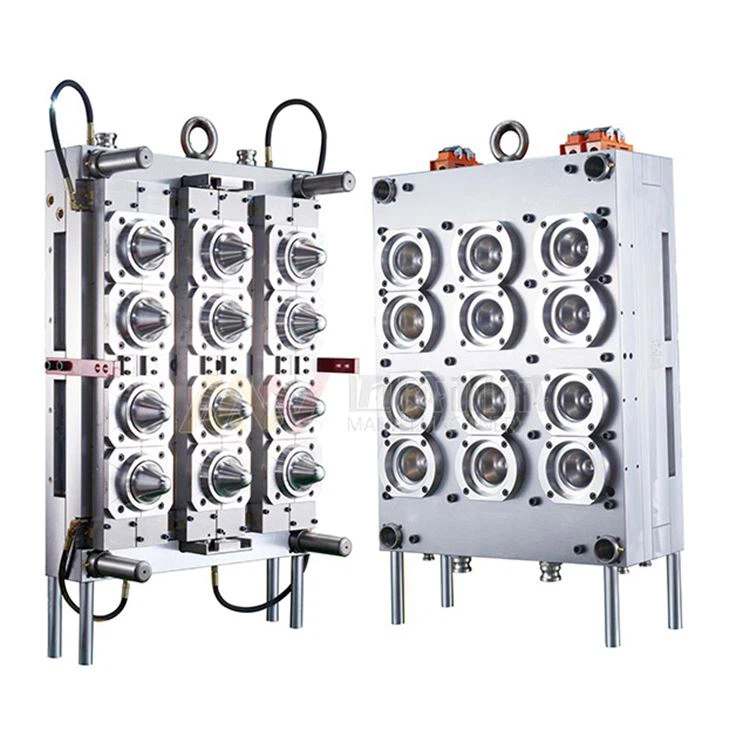
- Improving Die Design: Work with experienced die designers to optimize the preform die design. Ensure that the runner system is designed to distribute the molten plastic evenly, reducing pressure fluctuations and vibration. Wide Mouth Preform Mold is an example of a well - designed preform mold that can minimize vibration through its optimized design.
- Using High - Quality Die Materials: Select high - quality die materials that are resistant to wear and deformation. This can ensure that the die components maintain their shape and fit together properly, reducing the risk of misalignment and vibration.
- Regular Die Maintenance: Schedule regular maintenance for the preform die, including cleaning, lubrication, and inspection of die components. Replace any worn - out components promptly to prevent vibration caused by misaligned or damaged parts.
Process Parameter Optimization
- Fine - tuning Injection Parameters: Conduct thorough testing to determine the optimal injection speed, pressure, and temperature settings for the specific plastic material and preform design. Consistent injection parameters can ensure even filling of the preform die, reducing pressure variations and vibration.
- Using Material with Consistent Properties: Source plastic materials from reliable suppliers to ensure consistent material properties. Consistent materials will have more predictable flow behavior, reducing the likelihood of unstable flow and vibration in the preform die system.
Additional Vibration - Reduction Techniques
- Vibration Damping Devices: Install vibration damping devices such as shock absorbers or vibration isolators on the injection molding machine or the preform die system. These devices can absorb and dissipate vibration energy, reducing the amplitude of vibration.
- Monitoring and Feedback Systems: Implement monitoring systems to continuously measure and analyze the vibration levels in the preform die system. Use the feedback from these systems to make real - time adjustments to the machine settings, die design, or process parameters to maintain optimal vibration levels.
Benefits of Reducing Vibration in Preform Die Systems
Reducing vibration in a preform die system offers several benefits, including:

Improved Preform Quality
- Consistent Wall Thickness: By reducing vibration, the preform will have a more consistent wall thickness. This is crucial for the performance of the final blow - molded product, as uneven wall thickness can lead to weak spots and reduced durability.
- Smoother Surface Finish: Vibration can cause surface defects such as flow marks or blemishes on the preform. Reducing vibration can result in a smoother surface finish, improving the aesthetic appeal of the preform.
Increased Productivity
- Reduced Downtime: Vibration can cause premature wear and damage to the die components and the injection molding machine. By reducing vibration, the frequency of maintenance and repair can be decreased, resulting in less downtime and increased productivity.
- Higher Cycle Times: A stable preform die system with reduced vibration allows for more consistent and efficient molding cycles. This can lead to higher production rates and increased overall productivity.
Cost Savings
- Lower Maintenance Costs: With reduced vibration, the wear and tear on the die components and the injection molding machine are minimized. This can result in lower maintenance costs and longer component lifespan.
- Reduced Material Waste: Improved preform quality due to reduced vibration means fewer defective preforms. This can lead to significant cost savings by reducing material waste.
Conclusion
Vibration in a preform die system is a common issue that can have a significant impact on the quality and efficiency of preform production. As a preform die supplier, we are committed to helping our customers overcome this challenge. By understanding the causes of vibration and implementing the strategies outlined in this blog, such as machine maintenance, die design optimization, process parameter fine - tuning, and the use of additional vibration - reduction techniques, we can effectively reduce vibration in preform die systems.
If you are facing vibration issues in your preform die system or are interested in our Hot Runner Preform Mold or Injection Preform Mold, we encourage you to contact us for a consultation. Our team of experts is ready to work with you to find the best solutions for your specific needs. Let's work together to achieve optimal performance and high - quality preform production.
References
- Becher, P. (2018). Injection Molding Handbook. Hanser Publishers.
- Rosato, D. V., & Rosato, D. P. (2011). Injection Molding Technology. Kluwer Academic Publishers.
- Mallick, P. K. (2008). Fiber - Reinforced Composites: Materials, Manufacturing, and Design. CRC Press.


