

Hey there! I'm a supplier of Hot Runner Preform Molds, and today I wanna talk about the corrosion resistance of these molds. You might be wondering why corrosion resistance matters so much when it comes to Hot Runner Preform Molds. Well, stick around, and I'll break it down for you.
What is Corrosion in Hot Runner Preform Molds?
First off, let's understand what corrosion is in the context of our molds. Corrosion is basically the deterioration of a material due to chemical reactions with its environment. In the case of Hot Runner Preform Molds, this can happen when they come into contact with various substances during the manufacturing process.
For example, when we're making preforms, the molds are exposed to molten plastics. Some plastics might contain additives or impurities that can react with the metal of the mold. Also, the cooling water used in the molding process can sometimes have dissolved salts or other corrosive agents. Over time, these factors can lead to the formation of rust, pits, and other forms of damage on the surface of the mold.
Why Corrosion Resistance is Crucial
Now, you might be thinking, "So what if there's a little bit of corrosion?" Well, let me tell you, it's a big deal. Corrosion can seriously affect the performance and lifespan of a Hot Runner Preform Mold.
Impact on Performance
When a mold starts to corrode, its surface becomes rough. This roughness can cause problems with the flow of molten plastic. The plastic might not fill the mold cavity evenly, leading to defects in the preforms. These defects can range from small cosmetic issues to major structural problems that make the preforms unusable.
For instance, if the corrosion is in the area where the gate is located, it can disrupt the flow of plastic into the mold. This can result in short shots, where the preform doesn't fully form, or flash, where excess plastic spills out of the mold. Both of these issues can lead to a higher rate of scrap and lower production efficiency.
Impact on Lifespan
Corrosion also significantly reduces the lifespan of a mold. As the metal corrodes, it weakens. This can lead to cracks and other structural failures. A mold that is severely corroded might need to be replaced much earlier than expected, which can be a costly proposition for manufacturers.
Think about it. A high - quality Hot Runner Preform Mold is a significant investment. If it has to be replaced prematurely due to corrosion, it can eat into the profits of the manufacturing operation.
Factors Affecting Corrosion Resistance
There are several factors that can influence the corrosion resistance of a Hot Runner Preform Mold.
Material Selection
The type of material used to make the mold plays a huge role. Stainless steel is a popular choice for Hot Runner Preform Molds because it has good corrosion resistance. It contains chromium, which forms a thin oxide layer on the surface of the metal. This oxide layer acts as a barrier, preventing further corrosion.
However, not all stainless steels are created equal. The composition and quality of the stainless steel can vary. Higher - grade stainless steels with more chromium and other alloying elements will generally have better corrosion resistance.
Surface Treatment
Surface treatments can also enhance the corrosion resistance of a mold. For example, some molds are coated with a special material to protect them from corrosion. These coatings can be made of various substances, such as titanium nitride or diamond - like carbon.
The coating acts as a physical barrier between the metal of the mold and the corrosive environment. It can also provide other benefits, such as reducing friction and improving the release of the preforms from the mold.
Operating Conditions
The way the mold is used also affects its corrosion resistance. If the mold is exposed to high - temperature and high - humidity environments for long periods, it is more likely to corrode. Similarly, if the cooling water used in the mold has a high concentration of salts or other corrosive agents, it can accelerate the corrosion process.
Manufacturers need to pay attention to these operating conditions and take steps to minimize the risk of corrosion. For example, they can use water treatment systems to remove impurities from the cooling water or control the temperature and humidity in the production area.
Our Approach as a Supplier
As a Hot Runner Preform Mold supplier, we take corrosion resistance very seriously. We use high - quality materials in the manufacturing of our molds. Our stainless steel molds are made from premium - grade alloys that offer excellent corrosion resistance.
We also offer a range of surface treatments to further enhance the protection of our molds. Our team of experts can recommend the best surface treatment based on the specific requirements of the customer.
In addition, we provide our customers with detailed instructions on how to maintain the molds to prevent corrosion. This includes guidelines on proper cleaning, storage, and the use of cooling water.
Types of Hot Runner Preform Molds and Corrosion Resistance
We offer different types of Hot Runner Preform Molds, such as Pet Preform Mould and Jar Preform Mold. Each type has its own unique requirements when it comes to corrosion resistance.
Pet Preform Mould
PET (polyethylene terephthalate) is a widely used plastic for making preforms. The molds for PET preforms need to be able to withstand the high - temperature and high - pressure conditions during the molding process. Corrosion resistance is crucial because any damage to the mold can affect the quality of the PET preforms.
Our Pet Preform Moulds are designed to handle these conditions. They are made from materials that can resist the chemical reactions that might occur when in contact with molten PET. The surface treatments we apply also ensure that the molds remain in good condition over a long period of use.

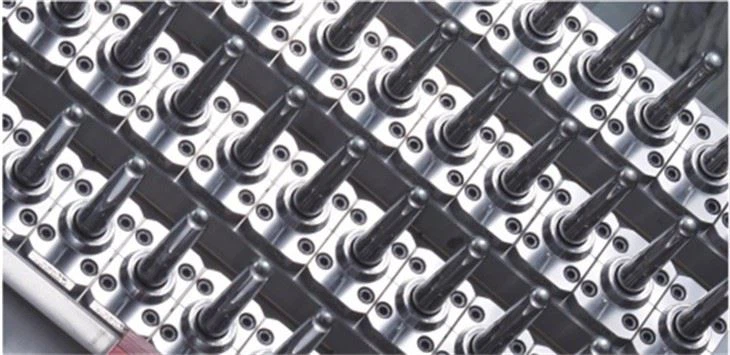
Jar Preform Mold
Jar preforms are used to make jars of various sizes and shapes. These molds are often exposed to different types of plastics and additives. Our Jar Preform Mold is engineered to have high corrosion resistance to deal with these diverse materials.
We understand that the performance of the jar preform mold is critical for the quality of the final jars. That's why we focus on providing molds that can withstand the challenges of the production environment.
Conclusion
In conclusion, the corrosion resistance of a Hot Runner Preform Mold is of utmost importance. It affects the performance, lifespan, and overall cost - effectiveness of the mold. As a supplier, we are committed to providing our customers with molds that have excellent corrosion resistance.
If you're in the market for a Hot Runner Preform Mold, we'd love to have a chat with you. Whether you need a Pet Preform Mould or a Jar Preform Mold, we can offer you high - quality solutions that meet your specific needs. Don't hesitate to reach out to us to discuss your requirements and start a great partnership.
References
- ASM Handbook Volume 13A: Corrosion: Fundamentals, Testing, and Protection
- Plastics Mold Engineering Handbook by Dominick V. Rosato


