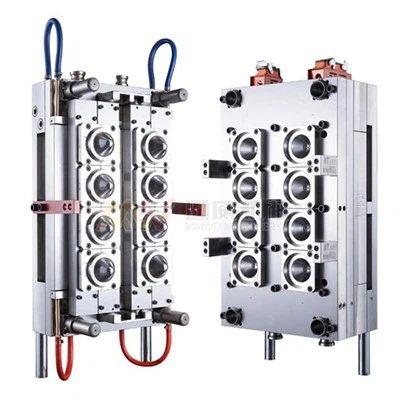
Hey there! As a supplier of PP blow molding machines, I've seen firsthand how crucial it is to have well - trained operators. A skilled operator can not only ensure the smooth operation of the machine but also significantly improve the quality of the products. So, let's dive into how to train operators for a PP blow molding machine.
1. Basic Knowledge Training
Before getting hands - on with the machine, operators need to have a solid understanding of the basic knowledge related to PP blow molding. This includes the properties of polypropylene (PP). PP is a thermoplastic polymer known for its high stiffness, good chemical resistance, and relatively low cost. It softens when heated and hardens when cooled, which is the fundamental principle behind blow molding.
We should also teach them about the blow molding process. The process typically involves three main steps: extrusion, parison formation, and blowing. In extrusion, the PP resin is melted and forced through a die to form a tubular shape called a parison. Then, the parison is placed in a mold, and compressed air is blown into it to expand the parison and take the shape of the mold. Finally, the molded part is cooled and ejected from the mold.
2. Safety Training
Safety should always be the top priority. Operators must be aware of all the safety features of the PP blow molding machine. This includes emergency stop buttons, safety guards, and proper grounding. They need to know where these safety devices are located and how to use them in case of an emergency.
We should also train them on personal protective equipment (PPE). Operators should wear safety glasses to protect their eyes from flying debris, heat - resistant gloves when handling hot parts, and appropriate footwear to prevent foot injuries. In addition, they should be taught about the potential hazards of working with hot plastics, such as burns, and how to avoid them. For example, they should never touch the heated parts of the machine with bare hands.
3. Machine Operation Training
3.1 Startup and Shutdown Procedures
Operators need to learn the correct startup and shutdown procedures of the PP blow molding machine. The startup process usually involves checking the power supply, lubrication system, and hydraulic system. They should also ensure that all the safety guards are in place. Once everything is checked, they can start the heating system and wait for the PP resin to reach the appropriate temperature.
The shutdown process is equally important. They need to stop the extrusion process first, then turn off the heating system. After the machine has cooled down, they can turn off the power supply. This helps to prevent damage to the machine and ensures its long - term reliability.
3.2 Parameter Setting
One of the most critical aspects of operating a PP blow molding machine is setting the right parameters. These parameters include temperature, pressure, and speed. The temperature settings depend on the type of PP resin being used. Different grades of PP have different melting points, so operators need to adjust the temperature accordingly to ensure proper melting and flow of the resin.
Pressure settings are crucial for blowing the parison into the mold. If the pressure is too low, the parison may not fully expand, resulting in incomplete parts. On the other hand, if the pressure is too high, it may cause the parison to burst or damage the mold.
The speed of the extrusion and blowing processes also affects the quality of the products. Operators need to find the optimal speed settings to produce high - quality parts efficiently.
3.3 Troubleshooting
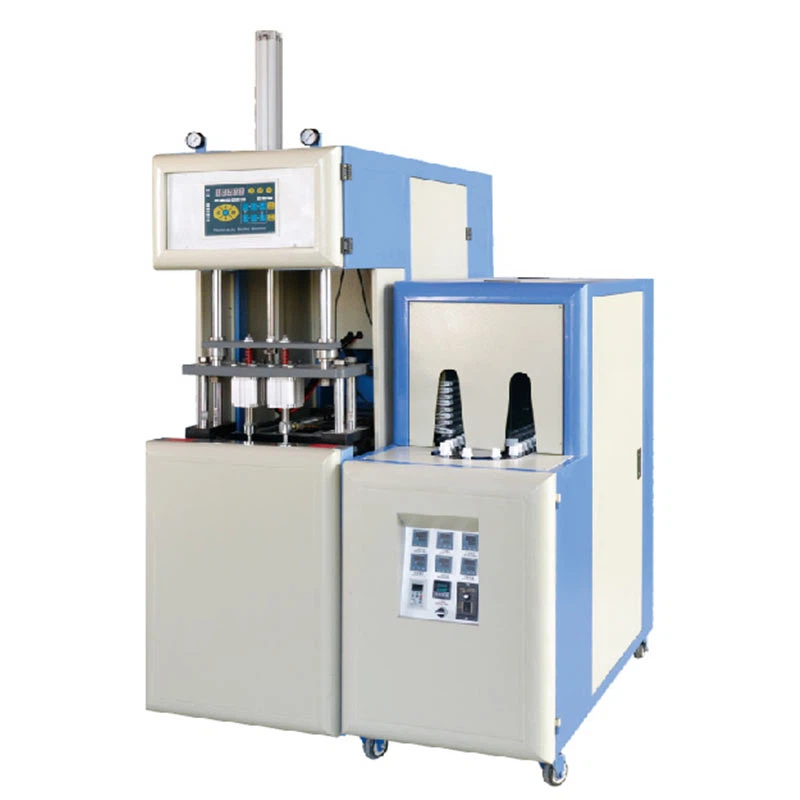
Even with proper training and maintenance, problems may still occur during the operation of the PP blow molding machine. Operators should be trained to identify common problems and how to troubleshoot them. For example, if the parts have uneven wall thickness, it could be due to improper parison control or incorrect mold temperature. Operators should know how to adjust the relevant parameters to solve the problem.

4. Quality Control Training
Operators play a key role in quality control. They need to learn how to inspect the products produced by the PP blow molding machine. This includes checking the dimensions, appearance, and physical properties of the parts.
They should use measuring tools such as calipers and micrometers to ensure that the dimensions of the parts meet the specifications. They also need to look for any visible defects, such as cracks, bubbles, or surface roughness. In addition, they can perform simple physical tests, such as checking the hardness or flexibility of the parts, to ensure their quality.
5. Practical Training
All the theoretical training is useless without practical experience. We should provide operators with plenty of opportunities to practice operating the PP blow molding machine under the supervision of experienced technicians. They can start by producing simple parts and gradually move on to more complex ones as their skills improve.
During the practical training, technicians can provide real - time feedback to the operators. They can point out any mistakes or areas for improvement and guide the operators on how to correct them. This hands - on training is essential for operators to gain confidence and proficiency in operating the machine.
Useful Resources
If you're interested in different types of blow molding machines, you can check out the following links:
- Pesticide Bottle Blow Molding Machine
- Ediable Oil Bottle Blow Molding Machine
- Pet Bottle Blow Molding Machine
Conclusion
Training operators for a PP blow molding machine is a comprehensive process that involves basic knowledge training, safety training, machine operation training, quality control training, and practical training. By providing high - quality training, we can ensure that operators are skilled and confident in operating the machine, which will ultimately lead to higher productivity and better - quality products.
If you're looking to purchase a PP blow molding machine or need more information about operator training, feel free to contact us for further discussion and procurement negotiation.
References
- "Blow Molding Handbook" by John H. Malloy
- "Plastics Processing Technology" textbooks from industry - recognized publishers.