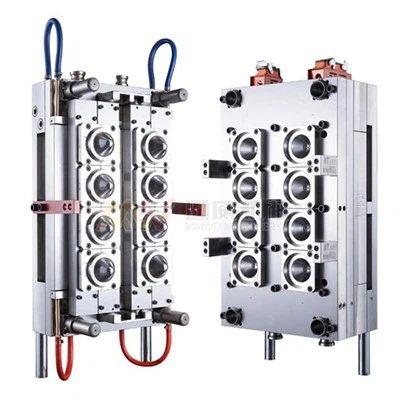
In the realm of plastic manufacturing, hot runner preform molds play a pivotal role in producing high - quality preforms for various applications such as beverage bottles, containers, and more. As a supplier of hot runner preform molds, I have witnessed firsthand the numerous challenges that come with using these sophisticated tools. In this blog, I will delve into the key challenges faced when using hot runner preform molds and how they can potentially impact the manufacturing process.
1. Temperature Control
One of the most critical challenges in using hot runner preform molds is maintaining precise temperature control. The temperature within the hot runner system directly affects the flow properties of the plastic material. If the temperature is too high, the plastic may degrade, resulting in poor - quality preforms with issues like discoloration, brittleness, or even charring. On the other hand, if the temperature is too low, the plastic may not flow properly, leading to incomplete filling of the mold cavities, short shots, or weld lines.
To ensure consistent temperature throughout the hot runner system, we need to use high - quality heating elements and thermocouples. However, even with the best equipment, variations can occur due to factors such as the type of plastic resin being used, the cycle time of the molding process, and the ambient temperature in the manufacturing facility. For instance, different grades of PET (Polyethylene Terephthalate), which is commonly used in preform production, have different melting points and viscosity characteristics. This means that the temperature settings need to be adjusted accordingly for each specific resin.
2. Gate Design and Maintenance
The gate is the point where the molten plastic enters the mold cavity. In hot runner preform molds, the gate design is crucial for achieving uniform filling and high - quality preforms. A poorly designed gate can lead to a variety of problems, including gate vestige, which is the small amount of plastic that remains at the gate after the preform is ejected from the mold. Gate vestige can affect the appearance of the preform and may also cause issues during the subsequent blow - molding process.
Another challenge related to gates is wear and tear. Over time, the constant flow of molten plastic through the gate can cause erosion, which can change the size and shape of the gate. This, in turn, can affect the flow rate of the plastic and lead to inconsistent preform quality. Regular maintenance and inspection of the gates are essential to ensure their proper functioning. However, gate maintenance can be time - consuming and requires skilled technicians, which adds to the overall cost of using hot runner preform molds.
3. Material Compatibility
Not all plastic materials are compatible with hot runner preform molds. Some plastics may have a high tendency to degrade at the high temperatures required in the hot runner system. For example, certain types of engineering plastics may contain additives or fillers that can react with the hot runner components, causing corrosion or clogging.
Moreover, different plastics have different shrinkage rates. When the plastic cools and solidifies in the mold cavity, it shrinks. If the shrinkage rate is not properly accounted for in the mold design, the preforms may have dimensional inaccuracies. This is particularly important for applications where precise dimensions are required, such as in the pharmaceutical or food packaging industries. As a supplier, we need to work closely with our customers to understand the type of plastic they will be using and ensure that our molds are designed to be compatible with it.
4. System Complexity and Cost
Hot runner preform molds are highly complex systems that consist of multiple components, including the hot runner manifold, nozzles, heating elements, and temperature controllers. The complexity of these systems means that there are more potential points of failure. For example, a malfunction in the heating element can disrupt the entire molding process, leading to production downtime and increased costs.
The initial investment in hot runner preform molds is also relatively high compared to cold runner molds. In addition to the cost of the mold itself, there are also ongoing costs associated with maintenance, repair, and replacement of components. This can be a significant barrier for small and medium - sized manufacturers who may not have the financial resources to invest in these advanced molds.
5. Molding Process Optimization
Achieving optimal molding conditions for hot runner preform molds is a complex task. It involves balancing multiple parameters such as injection pressure, injection speed, holding pressure, and cooling time. These parameters need to be carefully adjusted based on the specific requirements of the preform, the type of plastic material, and the design of the mold.
For example, if the injection pressure is too high, it can cause excessive flash (the thin layer of plastic that forms around the edges of the preform), while too low an injection pressure can result in incomplete filling. Similarly, the cooling time needs to be optimized to ensure that the preform has sufficient strength and dimensional stability when it is ejected from the mold. However, finding the right combination of these parameters often requires a lot of trial and error, which can be time - consuming and costly.
6. Quality Control
Maintaining consistent quality in preform production is essential, especially for industries with strict quality standards such as the beverage and food packaging industries. With hot runner preform molds, there are more variables that can affect the quality of the preforms. These include the factors mentioned above, such as temperature control, gate design, and molding process optimization.
Quality control measures need to be implemented at every stage of the production process, from raw material inspection to final preform testing. This may involve using advanced inspection equipment such as optical scanners and coordinate measuring machines to detect any dimensional inaccuracies or surface defects. However, these quality control measures also add to the overall cost of production.
Overcoming the Challenges
Despite these challenges, there are several strategies that can be employed to overcome them. For temperature control, advanced temperature monitoring and control systems can be used to ensure more precise regulation. These systems can continuously monitor the temperature at multiple points in the hot runner system and make real - time adjustments as needed.
In terms of gate design and maintenance, using high - quality materials and advanced manufacturing techniques can help reduce wear and tear. Regular training of technicians can also improve their skills in gate maintenance and troubleshooting.
To address material compatibility issues, we can conduct thorough material testing before designing the mold. This can help identify any potential compatibility problems and allow us to make the necessary adjustments to the mold design or recommend alternative materials.
For system complexity and cost, manufacturers can consider partnering with experienced mold suppliers who can provide comprehensive support, including installation, training, and after - sales service. Additionally, investing in preventive maintenance programs can help reduce the likelihood of unexpected breakdowns and extend the lifespan of the mold.
In terms of molding process optimization, the use of simulation software can be extremely helpful. Simulation software can predict the behavior of the plastic material during the molding process and help identify the optimal molding conditions before the actual production starts.
Finally, for quality control, implementing a comprehensive quality management system can ensure that all quality control measures are effectively implemented and monitored. This can help improve the overall quality of the preforms and reduce the risk of product recalls.
Conclusion
Using hot runner preform molds presents a number of challenges, but with the right approach, these challenges can be overcome. As a [Your Position in the Company] of a hot runner preform mold supplier, I understand the importance of providing our customers with high - quality molds and comprehensive support. We are committed to helping our customers navigate these challenges and achieve successful preform production.
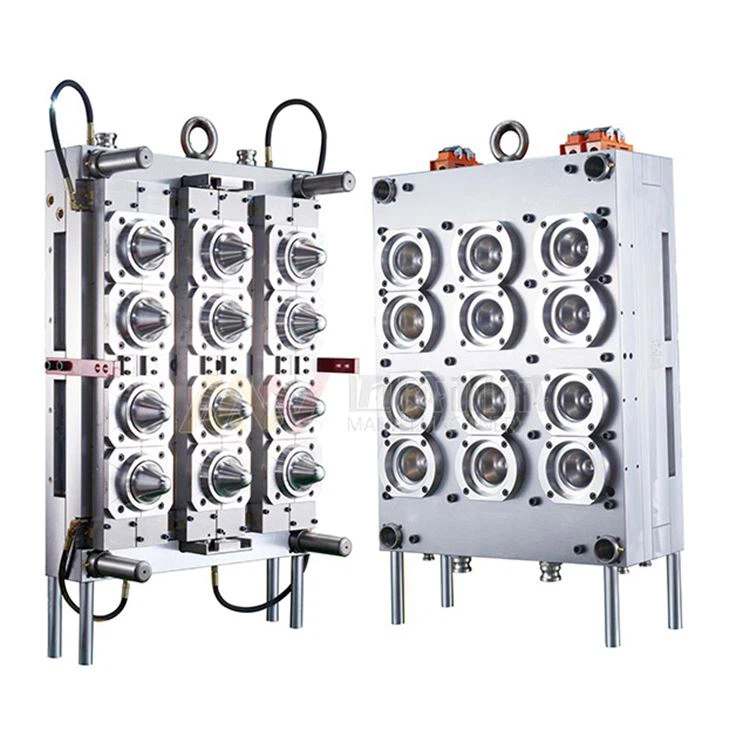
If you are interested in our Injection Preform Mold, Wide Mouth Preform Mold, or Pet Preform Mould, we invite you to contact us for a detailed discussion. Our team of experts is ready to assist you in finding the best solutions for your specific needs.

References
- “Plastic Injection Molding Handbook” by O. John Rasmussen
- “Hot Runner Technology: Design, Applications, and Troubleshooting” by James Throne
- Industry whitepapers on hot runner preform mold technology and best practices