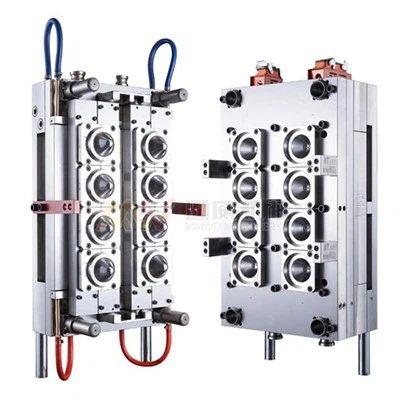
In the world of manufacturing, preform die operation is a critical process that demands meticulous attention to ergonomic considerations. As a dedicated Preform Die supplier, I've witnessed firsthand the impact of ergonomics on both the efficiency of the operation and the well - being of the operators. In this blog, I'll delve into the key ergonomic aspects that should be taken into account during preform die operation.
1. Workspace Design
The layout of the workspace where preform die operations take place is of utmost importance. A well - designed workspace can significantly reduce the risk of musculoskeletal disorders and improve overall productivity.
First and foremost, the height of the workbench or machine should be adjustable. Operators come in different heights, and a one - size - fits - all approach is not suitable. An adjustable workbench allows each operator to set the height according to their own body dimensions, ensuring that they can work with their elbows at a comfortable angle (ideally around 90 degrees). This reduces the strain on the shoulders, neck, and back.
The work area should also be organized in a logical manner. Tools and materials that are frequently used during preform die operation should be within easy reach. For example, if an operator needs to use a specific set of wrenches or gauges regularly, these items should be placed in a tool rack close to the machine. This minimizes the need for excessive reaching, bending, or twisting, which can lead to fatigue and injury over time.
Moreover, the lighting in the workspace is a crucial ergonomic factor. Adequate lighting is essential to ensure that operators can clearly see the preform die and the components they are working on. Poor lighting can cause eye strain, headaches, and may even lead to mistakes in the operation. Natural light is the best option, but if that's not possible, high - quality artificial lighting should be installed. The light should be evenly distributed across the work area, without creating glare or shadows on the preform die.
2. Equipment Design
The design of the preform die equipment itself plays a vital role in ergonomics. Modern preform die machines should be designed with the operator in mind.
One important aspect is the control panel. The controls should be intuitive and easy to use. Buttons and switches should be clearly labeled, and their layout should follow a logical sequence. For example, controls related to the opening and closing of the die should be grouped together, and those for adjusting the temperature or pressure should be in another easily accessible area. This makes it easier for operators to quickly find and operate the controls they need, reducing the time and effort required for each operation.
The weight and size of the preform die components also need to be considered. Heavy and bulky dies can be difficult to handle, increasing the risk of back injuries and other musculoskeletal problems. Manufacturers should strive to use lightweight yet durable materials in the construction of preform dies. Additionally, the design of the dies should allow for easy handling. For instance, they can be equipped with handles or lifting points that are strategically placed to ensure a proper grip and balance when moving the die.
Another aspect of equipment design is vibration. Preform die machines can generate significant vibrations during operation, which can cause hand - arm vibration syndrome (HAVS) in operators over time. To mitigate this risk, vibration - dampening materials should be used in the construction of the machine. Additionally, anti - vibration gloves can be provided to operators to further reduce the impact of vibrations on their hands.
3. Operator Training
Proper operator training is an essential part of ensuring ergonomic preform die operation. Even with the best - designed workspace and equipment, if operators are not trained to use them correctly, ergonomic issues can still arise.


Training should cover not only the technical aspects of preform die operation but also ergonomic best practices. Operators should be taught how to maintain proper posture while working. For example, they should be instructed to sit or stand upright, keep their feet flat on the floor, and avoid slouching. They should also be trained on the correct lifting techniques. When handling preform die components, operators should bend their knees, keep their back straight, and lift with their legs rather than their back.
In addition, training should include information on the importance of taking regular breaks. Continuous operation without breaks can lead to fatigue, which increases the risk of accidents and injuries. Operators should be encouraged to take short breaks every hour or so to stretch, walk around, and rest their muscles. These breaks can help prevent the build - up of fatigue and reduce the long - term impact of repetitive motions on the body.
4. Safety Measures
Safety is closely related to ergonomics in preform die operation. A safe working environment is an ergonomic one.
Guards and barriers should be installed around the preform die machine to prevent operators from coming into contact with moving parts. These guards should be made of transparent materials whenever possible, so that operators can still monitor the operation of the die without compromising safety.
Emergency stop buttons should be easily accessible at all times. In case of an emergency, operators should be able to quickly stop the machine to prevent accidents. The location of these buttons should be clearly marked, and operators should be trained on how to use them.
Personal protective equipment (PPE) is also an important part of safety measures. Operators should be provided with appropriate PPE, such as safety glasses, gloves, and earplugs. Safety glasses protect the eyes from flying debris, gloves provide a better grip and protect the hands from cuts and burns, and earplugs reduce the noise levels in the workspace, which can prevent hearing loss.
5. Benefits of Ergonomic Considerations
Implementing ergonomic considerations in preform die operation brings numerous benefits.
From a productivity perspective, ergonomic workplaces and equipment can lead to increased efficiency. When operators are comfortable and free from pain and fatigue, they can work more quickly and accurately. They are less likely to make mistakes, which reduces the number of defective preforms and the need for rework.
In terms of employee health, ergonomic improvements can significantly reduce the incidence of work - related injuries and illnesses. This not only improves the quality of life for the operators but also reduces the cost of workers' compensation claims for the company.
Moreover, a company that prioritizes ergonomics in preform die operation can enhance its reputation. It shows that the company cares about the well - being of its employees, which can attract and retain top talent in the industry.
As a Preform Die supplier, we understand the importance of these ergonomic considerations. We offer a range of preform die products, including Wide Mouth Preform Mold and Valve Gate Preform Mold, which are designed with ergonomics in mind. Our products are built to ensure that operators can work safely and efficiently.
If you are in the market for high - quality preform dies and are interested in learning more about how our products can meet your ergonomic requirements, we encourage you to contact us for a procurement discussion. We are committed to providing you with the best solutions for your preform die needs.
References
- Grandjean, E. (1988). Fitting the Task to the Man: An Ergonomic Approach. Taylor & Francis.
- Konz, S., & Johnson, S. (2012). Work Design: Industrial Ergonomics. Cengage Learning.
- National Institute for Occupational Safety and Health (NIOSH). (2019). Musculoskeletal Disorders and Workplace Factors. DHHS (NIOSH) Publication No. 97 - 141.