

As a supplier of Valve Gate Preform Molds, I've had the privilege of delving deep into the intricacies of these essential tools in the plastic manufacturing industry. The cycle time of a valve gate preform mold is a critical factor that directly impacts production efficiency, cost - effectiveness, and overall product quality. In this blog, I'll explore the various factors that influence the cycle time of a valve gate preform mold.
1. Mold Design
The design of the valve gate preform mold is the cornerstone of determining its cycle time. A well - designed mold can significantly reduce the time required for each production cycle.
-
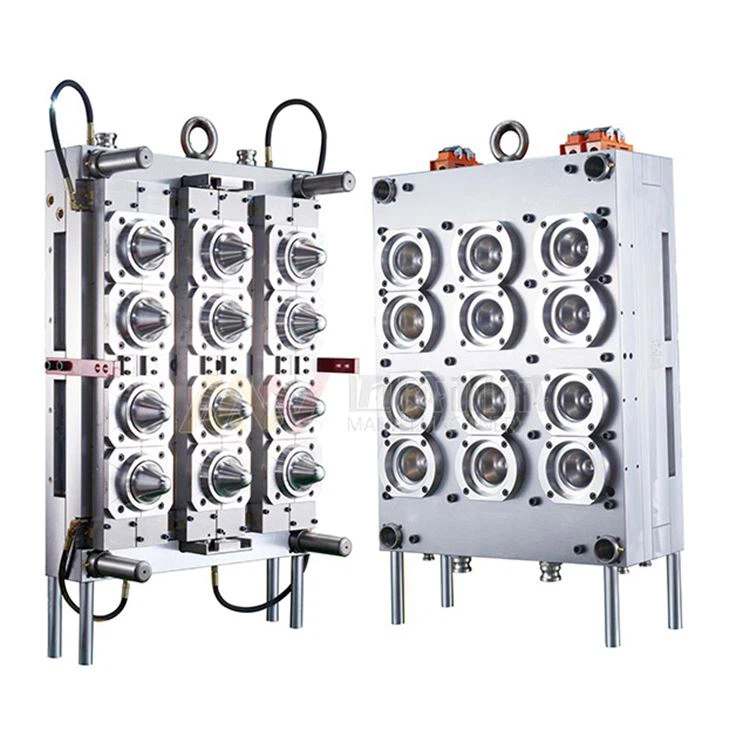
Cavity Layout: The number and arrangement of cavities in the mold play a vital role. A mold with a higher number of cavities can produce more preforms in a single cycle, but it also requires more precise design to ensure uniform filling. If the cavities are not evenly spaced or if the flow paths are too long or complex, it can lead to uneven filling times and longer cycle times. For example, a 96 - cavity mold may have a longer cycle time compared to a 48 - cavity mold if the design is not optimized.
-
Gate Design: The valve gate system is a key component. The size, shape, and location of the gates affect the flow of the molten plastic into the cavities. A well - designed gate allows for a quick and uniform filling of the preforms. If the gate is too small, it can restrict the flow of plastic, causing longer filling times. On the other hand, if the gate is too large, it can lead to issues such as flash and longer cooling times. For instance, a hot - runner valve gate system with precise control can open and close at the right time, ensuring efficient filling and reducing cycle time.
-
Cooling Channel Design: Effective cooling is essential for reducing cycle time. The cooling channels in the mold should be designed to provide uniform cooling to all parts of the preform. If the cooling is uneven, some parts of the preform may cool faster than others, leading to warping and longer overall cycle times. Advanced cooling channel designs, such as conformal cooling, can significantly improve cooling efficiency. Conformal cooling channels follow the shape of the preform, providing more direct and uniform cooling, which can reduce cooling times by up to 30% according to some studies.
2. Material Properties
The type of plastic material used in the preform production also has a significant impact on the cycle time.
- Melting and Cooling Characteristics: Different plastics have different melting and cooling points. Materials with lower melting points generally require less energy to melt and can be injected into the mold more quickly. For example, polyethylene terephthalate (PET), which is commonly used for preforms, has a relatively high melting point compared to some other plastics. However, it also has good mechanical properties. The cooling rate of the plastic is equally important. Faster - cooling plastics can reduce the time required for the preform to solidify in the mold, thus shortening the cycle time.
- Viscosity: The viscosity of the molten plastic affects its flowability in the mold. High - viscosity plastics require more pressure to flow through the gates and cavities, which can increase the filling time. Low - viscosity plastics, on the other hand, can flow more easily, reducing the filling time. For instance, some grades of polypropylene have lower viscosities compared to PET, which can result in shorter filling times.
3. Injection Molding Machine
The performance of the injection molding machine is another crucial factor influencing the cycle time.
- Injection Speed and Pressure: The injection speed determines how quickly the molten plastic is injected into the mold. A higher injection speed can reduce the filling time, but it also needs to be balanced with the mold design and the material properties. If the injection speed is too high, it can cause issues such as air traps and flashing. The injection pressure is also important. Sufficient pressure is required to ensure that the plastic fills all the cavities evenly. However, excessive pressure can damage the mold and increase the energy consumption.
- Clamping Force: The clamping force of the injection molding machine holds the mold closed during the injection process. A machine with an appropriate clamping force is necessary to prevent the mold from opening due to the injection pressure. If the clamping force is too low, it can lead to flash and other defects, which may require additional processing time. On the other hand, an overly high clamping force can increase the wear and tear on the mold and the machine.
- Machine Response Time: The response time of the injection molding machine, including the time it takes to start and stop the injection process, can also affect the cycle time. Modern injection molding machines with advanced control systems can have faster response times, reducing the overall cycle time.
4. Process Parameters
The process parameters set during the injection molding process can be adjusted to optimize the cycle time.
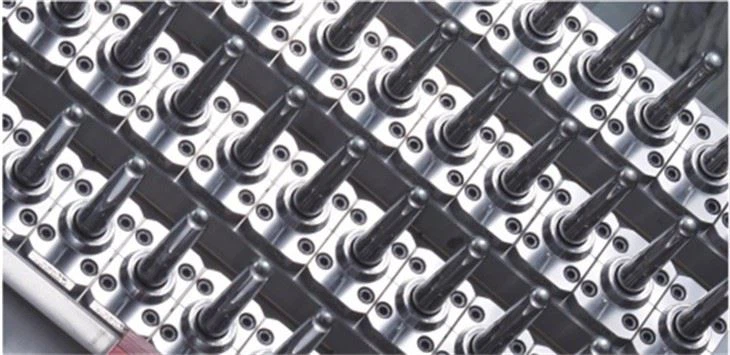
- Mold Temperature: The mold temperature affects the cooling rate of the plastic. A higher mold temperature can reduce the cooling time for some plastics, but it also needs to be carefully controlled to avoid issues such as warping and shrinkage. For example, for PET preforms, maintaining the mold temperature within a specific range can ensure proper crystallization and reduce the cycle time.
- Injection Time and Holding Time: The injection time is the period during which the molten plastic is injected into the mold. The holding time is the time after the injection is complete, during which pressure is maintained to ensure proper packing of the plastic in the cavities. Optimizing these times can reduce the overall cycle time. For instance, reducing the holding time without sacrificing the quality of the preform can save time.
5. Maintenance and Quality Control
Proper maintenance of the valve gate preform mold and strict quality control measures can also impact the cycle time.
- Mold Maintenance: Regular maintenance of the mold, including cleaning, lubrication, and inspection of the valve gate system, can ensure its optimal performance. A well - maintained mold is less likely to experience issues such as gate blockages or cooling channel clogs, which can increase the cycle time. For example, if the valve gates are not properly maintained, they may not open and close correctly, leading to uneven filling and longer cycle times.
- Quality Control: Implementing strict quality control measures can help identify and correct any issues early in the production process. This can prevent the production of defective preforms, which would otherwise require additional processing or rejection. For instance, using in - mold sensors to monitor the filling process can detect any abnormalities in real - time, allowing for immediate adjustments to be made to the process parameters.
In conclusion, the cycle time of a valve gate preform mold is influenced by a multitude of factors, including mold design, material properties, injection molding machine performance, process parameters, and maintenance and quality control. As a [Your Position] at [Your Company], we understand the importance of optimizing these factors to provide our customers with high - quality valve gate preform molds that offer short cycle times and high production efficiency.
If you are in the market for a reliable Injection Preform Mold or Injection Preform Mold, or perhaps a Jar Preform Mold, we invite you to reach out to us. Our team of experts is ready to assist you in finding the perfect solution for your preform production needs. Contact us today to start a discussion about how we can help you optimize your production process and reduce your cycle times.
References
- Beaumont, J. P. (2017). Injection Molding Handbook. Hanser Publications.
- Rosato, D. V., & Rosato, D. P. (2011). Injection Molding Handbook. Wiley.
- Throne, J. L. (2018). Plastics Process Engineering. Hanser Publications.


