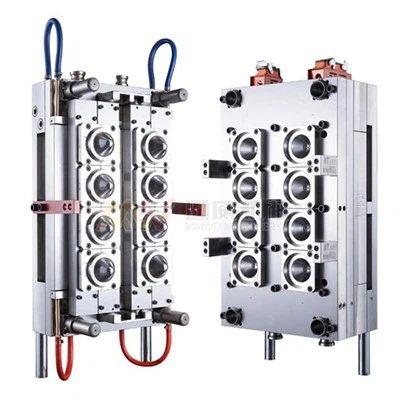
As a supplier of Pet Preform, I've been involved in the industry for quite some time. Pet Preforms are essential in the production of various plastic containers, from water bottles to oil bottles. However, one of the most challenging aspects of exporting Pet Preforms is understanding the import regulations of different countries. In this blog, I'll share some insights into the import regulations for Pet Preforms in various parts of the world.
North America
United States
The United States has strict regulations regarding the import of Pet Preforms. The Food and Drug Administration (FDA) plays a crucial role in ensuring that the materials used in Pet Preforms are safe for food contact. If the Pet Preforms are intended for packaging food or beverages, they must comply with the FDA's regulations on food contact substances. This includes requirements for the raw materials, such as polyethylene terephthalate (PET), and the manufacturing process to prevent any contamination.
Customs regulations also need to be followed. Importers are required to provide accurate documentation, including a commercial invoice, bill of lading, and a certificate of origin. The Harmonized Tariff Schedule (HTS) code for Pet Preforms must be correctly identified to determine the applicable duties. The HTS code for most Pet Preforms falls under 3923.30.0000, which may be subject to a duty rate depending on the country of origin and trade agreements.


Canada
Similar to the US, Canada has regulations to ensure the safety of imported Pet Preforms, especially those for food packaging. Health Canada is responsible for regulating food contact materials. Pet Preforms must meet the requirements of the Canadian Food and Drug Regulations.
Customs clearance in Canada requires proper documentation, including a customs declaration, commercial invoice, and proof of origin. The Canadian tariff classification for Pet Preforms is also important. The appropriate tariff item should be used to calculate the duties accurately. Canada has free trade agreements with many countries, which can affect the duty rates for imported Pet Preforms.
Europe
European Union (EU)
The EU has a comprehensive set of regulations for imported Pet Preforms. The EU's REACH (Registration, Evaluation, Authorization and Restriction of Chemicals) regulation is one of the key aspects. It aims to ensure the safe use of chemicals in products, including those used in Pet Preform manufacturing. Suppliers need to ensure that the chemicals used in their Pet Preforms comply with the REACH requirements.
For food contact applications, the EU has specific regulations under Regulation (EU) No 10/2011. Pet Preforms must be made from materials that are safe for contact with food and do not transfer harmful substances to the food.
Customs procedures in the EU involve providing detailed information about the goods, such as the description, quantity, value, and origin. The EU's customs tariff is based on the Combined Nomenclature (CN). Pet Preforms are typically classified under CN code 3923.30.00. The duty rates can vary depending on the country of origin and the applicable trade agreements.
United Kingdom
Since Brexit, the UK has established its own set of import regulations for Pet Preforms. The UK's Food Standards Agency regulates food contact materials, similar to the EU's approach. Pet Preforms for food packaging must meet the UK's food safety requirements.
Customs clearance in the UK requires accurate documentation, including a customs declaration, commercial invoice, and proof of origin. The UK Global Tariff (UKGT) is used to determine the duties for imported goods. The classification of Pet Preforms under the UKGT is similar to the EU's CN code, but the duty rates may differ.
Asia
China
China is a major market for Pet Preforms. The General Administration of Customs of the People's Republic of China is responsible for the customs clearance of imported goods. For Pet Preforms, the importer needs to provide a customs declaration, commercial invoice, packing list, and other relevant documents.
China also has regulations for food contact materials. The National Health Commission of the People's Republic of China sets the standards for materials in contact with food. Pet Preforms used for food packaging must comply with these standards.
The tariff classification for Pet Preforms in China is based on the China Customs Import and Export Tariff. The appropriate tariff code should be used to calculate the duties. China has trade agreements with many countries, which can affect the duty rates for imported Pet Preforms.
India
In India, the import of Pet Preforms is regulated by the Directorate General of Foreign Trade (DGFT) and the Central Board of Indirect Taxes and Customs (CBIC). The DGFT issues import licenses and regulates the trade of goods. Pet Preforms need to comply with the relevant quality and safety standards.
Customs clearance in India requires proper documentation, including a bill of entry, commercial invoice, and certificate of origin. The Indian Customs Tariff is used to determine the duties. The classification of Pet Preforms under the Indian tariff is important for accurate duty calculation.
Oceania
Australia
Australia has strict regulations for imported Pet Preforms, especially for food contact applications. Food Standards Australia New Zealand (FSANZ) sets the standards for food contact materials. Pet Preforms must meet these standards to ensure the safety of the packaged food.
Customs clearance in Australia involves providing detailed information about the goods, such as the description, quantity, value, and origin. The Australian Customs and Border Protection Service uses the Australian Harmonized Export and Import Classification (AHEIC) to classify goods. Pet Preforms are typically classified under AHEIC code 3923.30.00. The duty rates can be affected by trade agreements, such as the Australia - United States Free Trade Agreement (AUSFTA).
New Zealand
New Zealand also has regulations for food contact materials. The Ministry for Primary Industries (MPI) is responsible for ensuring the safety of imported goods, including Pet Preforms. Pet Preforms for food packaging must meet the New Zealand food safety standards.
Customs clearance in New Zealand requires accurate documentation, including a customs declaration, commercial invoice, and proof of origin. The New Zealand Customs Service uses the New Zealand Harmonized System (NZHS) to classify goods. The appropriate NZHS code for Pet Preforms should be used to calculate the duties.
South America
Brazil
Brazil has complex import regulations for Pet Preforms. The Brazilian Health Surveillance Agency (ANVISA) regulates food contact materials. Pet Preforms for food packaging must comply with ANVISA's requirements.
Customs clearance in Brazil involves a detailed process. Importers need to provide a large amount of documentation, including a customs declaration, commercial invoice, packing list, and certificate of origin. The Brazilian Customs Tariff is used to determine the duties. The classification of Pet Preforms under the Brazilian tariff is crucial for accurate duty calculation.
Argentina
In Argentina, the import of Pet Preforms is regulated by the National Food Safety and Quality Service (SENASA) for food contact applications. Pet Preforms must meet the safety and quality standards set by SENASA.
Customs clearance in Argentina requires proper documentation, including a customs declaration, commercial invoice, and proof of origin. The Argentine Customs Service uses the Mercosur Common Nomenclature (NCM) to classify goods. Pet Preforms are classified under the relevant NCM code, and the duty rates are determined accordingly.
If you are interested in purchasing high - quality Pet Preforms, we offer a wide range of products, including Oil Bottle Preform, Water Bottle Preform, and 3 Gallon Water Bottle Preform. Our Pet Preforms are manufactured with strict quality control to meet the import regulations of different countries. Please feel free to contact us for more information and to start a procurement negotiation.
References
- Food and Drug Administration (FDA), United States
- Health Canada
- European Chemicals Agency (ECHA) for REACH information
- European Commission - Directorate - General for Taxation and Customs Union
- Food Standards Agency, United Kingdom
- General Administration of Customs of the People's Republic of China
- Directorate General of Foreign Trade (DGFT), India
- Central Board of Indirect Taxes and Customs (CBIC), India
- Food Standards Australia New Zealand (FSANZ)
- Ministry for Primary Industries (MPI), New Zealand
- Brazilian Health Surveillance Agency (ANVISA)
- National Food Safety and Quality Service (SENASA), Argentina